
In the galvanizing process, critical pain points—such as high-temperature zinc adhesion, strip scratching, and furnace roll buildup—directly compromise finished product quality, drive up operation and maintenance costs, and constrain production line efficiency. Many enterprises overlook a core critical element: the quality of the furnace rolls. In reality, high-quality galvanizing furnace rolls offer a comprehensive, one-stop solution to resolve these production challenges.
As a core transmission component in galvanizing production lines, furnace rollers operate under prolonged conditions of high temperature and severe corrosion, coming into direct contact with molten zinc and steel strips; consequently, their quality directly dictates production efficiency and product quality. Conventional furnace rollers often fall into a vicious cycle of “frequent replacement and repetitive maintenance.” The following section details the critical pain points that high-quality furnace rollers are specifically designed to resolve.
Pain Point 1: High-temperature zinc adhesion and nodule formation leading to scraping issues; high defect rate in finished products
Conventional furnace rolls lack sufficient high-temperature resistance and zinc-corrosion resistance; at elevated temperatures, they are prone to zinc adhesion and nodule formation. This results in the scratching of the steel strip, leading to defects such as surface scratches and black spots. Furthermore, frequent shutdowns are required for grinding, a process that not only hinders production progress but also shortens the service life of the rolls.
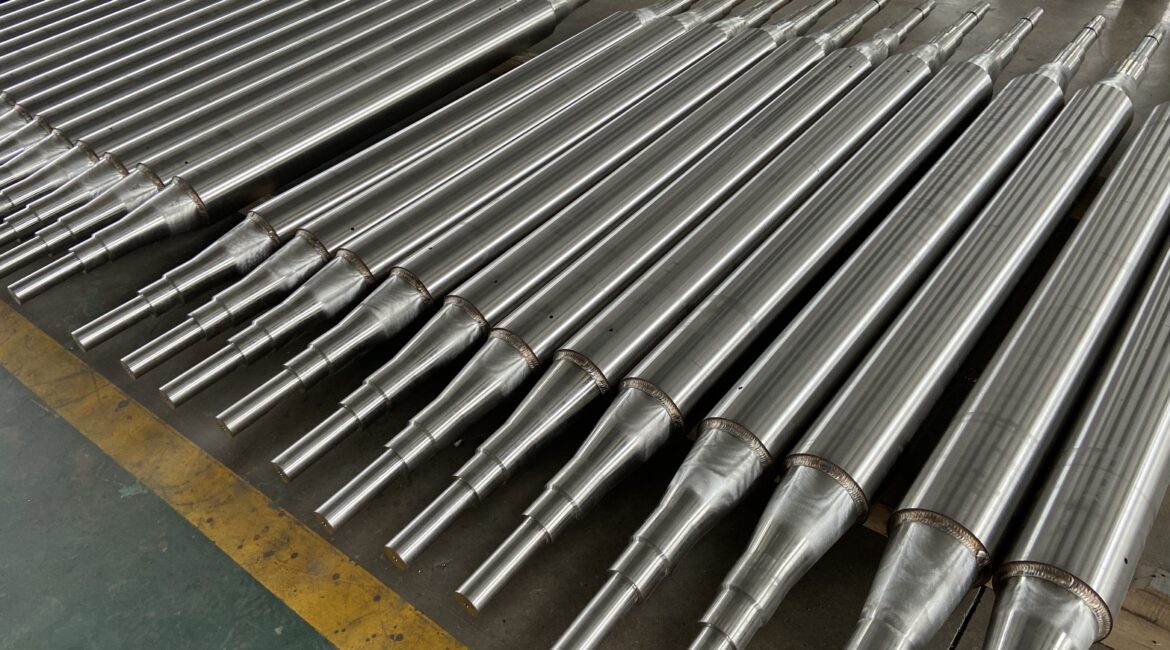
These high-quality galvanizing furnace rollers are crafted from a specialized alloy engineered for exceptional high-temperature resistance and immunity to zinc corrosion. Utilizing a precision investment casting process, the roller bodies feature smooth, dense surfaces that fundamentally minimize the adhesion of molten zinc and the formation of zinc nodules. Following a specialized heat treatment, their hardness and wear resistance are significantly enhanced; they maintain their structural integrity and flatness even during prolonged operation at high temperatures, thereby eliminating issues such as zinc adhesion and material scratching, and resulting in a substantial reduction in the defect rate.
Pain Point 2: Steel Strip Scratching and Lateral Deviation; Poor Production Stability
Conventional furnace rollers suffer from insufficient precision and poor concentricity; during operation, they are prone to vibration and misalignment, leading to scratches on the steel strip and lateral deviation. This necessitates manual adjustments—or even complete shutdowns—thereby severely disrupting production continuity.
These high-quality furnace rollers feature strictly controlled precision and undergo rigorous quality inspection at every stage of production, ensuring smooth, vibration-free operation. Following a specialized surface finishing treatment, they exhibit an optimal coefficient of friction—facilitating the stable conveyance of steel strips while preventing excessive friction. This effectively eliminates issues such as surface scratching and strip misalignment, thereby significantly enhancing the overall stability of the production line.
Pain Point 3: Rapid Furnace Roll Wear and Frequent Replacement — Resulting in High O&M Costs
Conventional furnace rollers suffer from inadequate material properties; under prolonged operation, they are prone to deformation and cracking, resulting in a short service life. Frequent roller replacement not only increases procurement costs but also leads to production interruptions, thereby driving up labor and man-hour costs.
These high-quality furnace rollers are manufactured using high-strength, heat-resistant, and corrosion-resistant alloys combined with advanced heat treatment processes. Consequently, their service life exceeds that of standard furnace rollers by over 30%, while also offering convenient maintenance. Furthermore, we provide support for both standard stock items and non-standard custom solutions, ensuring a precise fit for your production lines and thereby further minimizing operational maintenance costs and losses associated with downtime.
Pain Point 4: Difficult Selection and Poor Compatibility—Unable to Meet Specific Requirements
Different galvanizing production lines impose varying requirements regarding furnace roller specifications and performance; consequently, standard manufacturers often struggle to fulfill non-standard customization needs, leading to a high risk of mismatches between the furnace rollers and the production line.
High-quality furnace roller manufacturers possess a comprehensive product portfolio, maintaining ample stock of standard models while also supporting non-standard customization. They can precisely tailor dimensions and materials to suit specific production line conditions—accommodating galvanized production lines of all sizes as well as specialized operating environments—thereby offering a one-stop solution for all product selection challenges.
Summary: Choosing the Right High-Quality Furnace Rollers Resolves Production Pain Points
High-quality galvanized furnace rollers—distinguished by their superior high-temperature resistance, corrosion resistance against molten zinc, high precision, and long service life—effectively address critical pain points such as zinc adhesion, steel strip scratching, rapid wear, and difficulties in product selection. By doing so, they empower enterprises to enhance finished product quality, minimize material loss, and achieve cost reductions alongside improved operational efficiency.
Our factory specializes deeply in the field of galvanizing furnace rollers, manufacturing a comprehensive range of rollers in various specifications—including both standard and non-standard custom designs. Through rigorous quality control, we provide tailored solutions for diverse galvanizing enterprises, leveraging our professional-grade quality to safeguard their production operations.