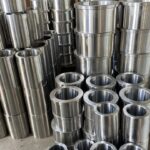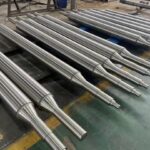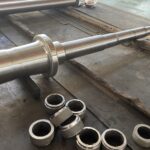

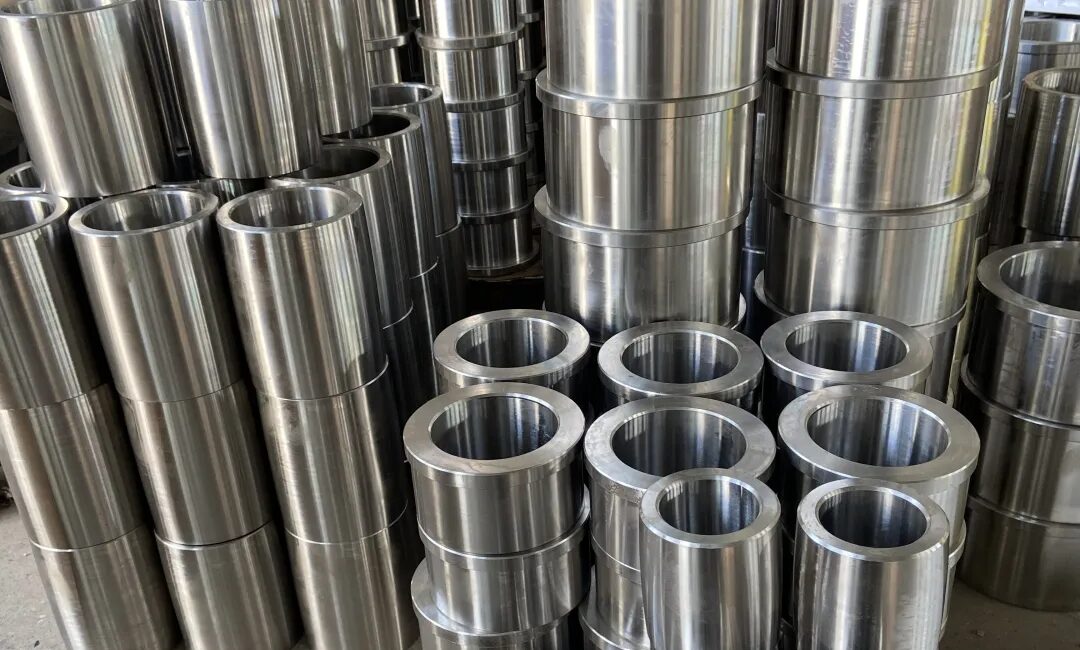
On the hot-dip galvanizing production line, the bushings and bearing shells in the zinc pot area serve as critical sliding components of the three-roll, six-arm roll assembly; they remain continuously submerged in high-temperature molten zinc, enduring both corrosion from the molten metal and friction caused by roll rotation.
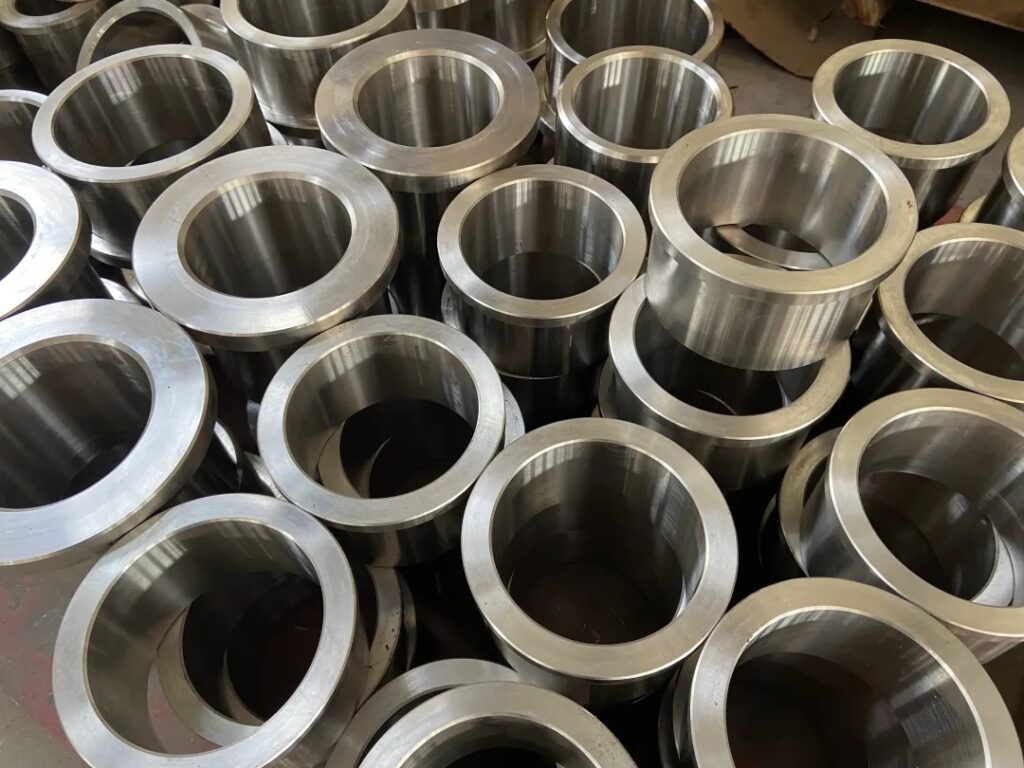
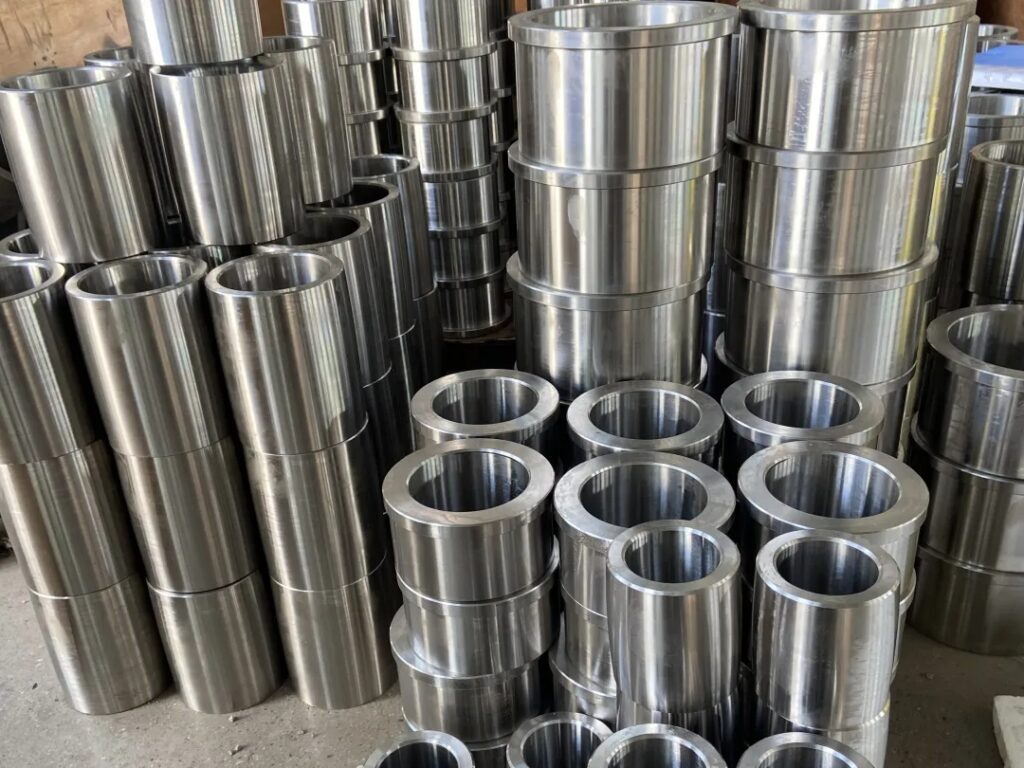
Once the bushing and bearing shell are damaged, the outer diameter of the bushing wears down while the inner diameter of the bearing shell enlarges, causing the fit clearance to exceed limits. This leads to vibration in the sink roll and stabilizing roll; in severe cases, it can directly cause roll jamming and production line shutdowns, significantly increasing the cost of spare part replacements.
Drawing on years of experience in spare parts manufacturing and on-site service, Xuyang Metallurgy offers a practical overview of the causes of failure in shaft sleeves and bearing shells, along with key points for effective on-site management and control.
Damage to bushings and bearing shells involves more than just simple wear
Corrosive damage caused by molten zinc
When added to the molten zinc at an appropriate concentration, aluminum forms a protective film on the surface of the components, preventing the molten zinc from causing inward erosion. However, this film is easily dislodged by the flow of molten zinc and mechanical friction, turning into zinc dross.
Regarding the tungsten carbide-coated bushings commonly used: while the tungsten carbide hard particles themselves are resistant to corrosion by molten zinc, the cobalt binder phase holding them in place is susceptible to such corrosion. Once the binder phase is eroded, the hard particles detach. Furthermore, porosity and micro-cracks resulting from the spraying process provide pathways for the molten zinc to penetrate; under the influence of temperature and stress, these cracks propagate, leading to coating delamination and spalling.
Ceramic bearing shells (alumina/zirconia) are inherently resistant to adhesion by molten zinc. However, if the substrate contains pores or micro-cracks, the molten zinc can seep into these defects, causing ceramic fragments to break off.
Multiple types of wear occur simultaneously
- Fatigue wear: Under repeated rotation and loading, micro-cracks form internally, causing the surface material to flake off in sheets.
- Adhesive wear: Molten zinc adheres to the friction surface, causing tearing during operation.
- Abrasive wear: Zinc dross and hard particles continuously cut into and abrade the surface.
- Bushing: The binder phase undergoes initial corrosion, followed by superimposed forms of wear; the coating spalls, and the outer diameter progressively decreases.
- Ceramic bearing shells: Molten zinc penetrates cracks, ceramic particles spall off, the inner bore of the bearing shell enlarges, and fit precision is lost.
Hard particles resulting from damaged or detached components can fall into the zinc pot, potentially causing consequential damage to the entire three-roll, six-arm roll assembly.
5 practical on-site tips to extend the service life of spare parts
1.Control the composition of the molten zinc and skim off dross in a timely manner.
Control the aluminum content in the zinc pot to form a stable protective layer; regularly remove zinc dross to reduce hard abrasive particles in the molten zinc, thereby minimizing wear and protecting the surfaces of the furnace rolls.
2.Strictly control spare parts quality and ensure rigorous incoming inspection.
For tungsten carbide-coated bushings, focus on coating porosity and cracks to minimize pathways for molten zinc penetration.
For ceramic bearing shells, preference should be given to products with a dense matrix; those with significant porosity or cracks are highly prone to premature failure during service.
3.Operate smoothly to minimize shocks and drastic temperature fluctuations.
Minimize equipment starts and stops under load and reduce frequent, significant fluctuations in zinc pot temperature. Sudden temperature changes generate thermal stress that accelerates crack propagation and particle spalling; maintaining stable conditions protects the bushings and bearing shells, as well as the entire roll assembly structure.
4.Prioritize daily inspections and eliminate operation with faults.
During inspections, pay attention to any abnormal noise or vibration in the roll assembly; periodically check the clearance between the bushing and the bearing shell, and replace them promptly if the clearance reaches the warning limit.
Do not continue using damaged components; hard particles breaking off can contaminate the molten zinc and trigger a chain reaction of damage across the entire friction pair, resulting in even greater losses.
5.Keep a close watch on early signs of failure in ceramic bearing shells.
Ceramic bearing shells exhibit excellent resistance to wetting by molten zinc, but they are highly susceptible to particle spalling. If increased vibration occurs in the roll assembly, one must be alert to the risk of ceramic particles detaching, as ceramic debris can cause severe damage to the zinc pot roll system.
Hot-dip galvanizing pots operate under harsh conditions, and the failure of bushings and bearing shells results from the combined effects of corrosion and wear. Reducing downtime and controlling spare part consumption requires coordination across multiple areas, including the galvanizing process, spare part quality, on-site operations, and routine maintenance.
Xuyang Metallurgy specializes in hot-dip galvanizing spare parts, offering a complete range of zinc pot roll system components—such as bushings, bearing shells, furnace rolls, and three-roll/six-arm assemblies. By optimizing product performance through material and process enhancements and ensuring proper on-site usage, the company helps maintain stable production across the line.