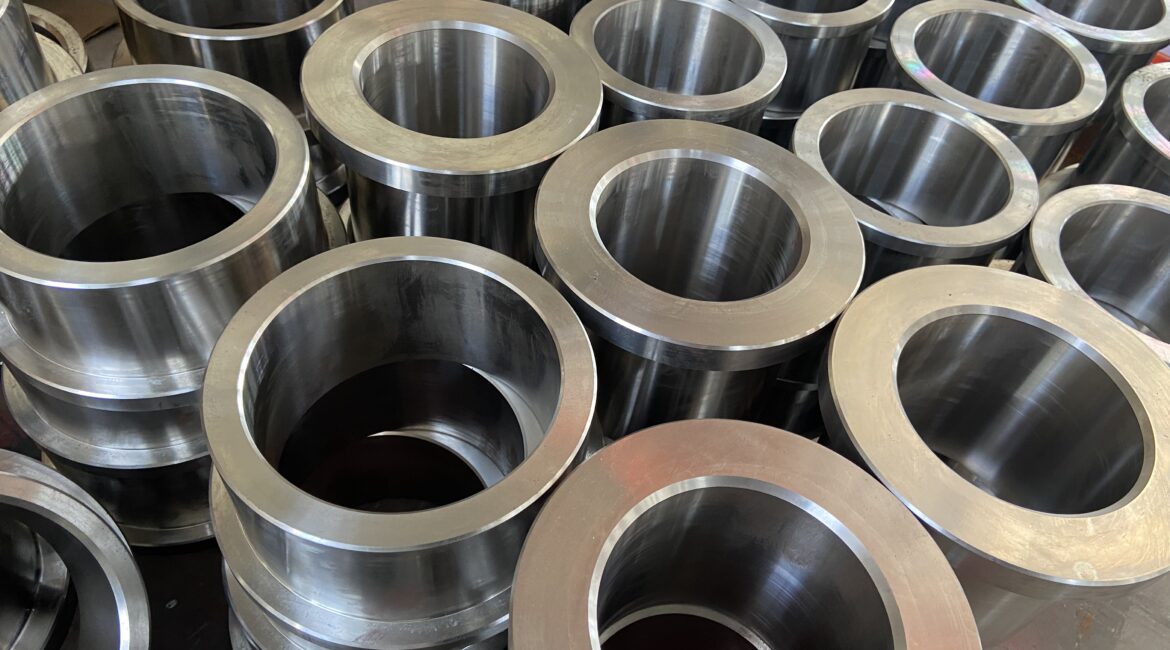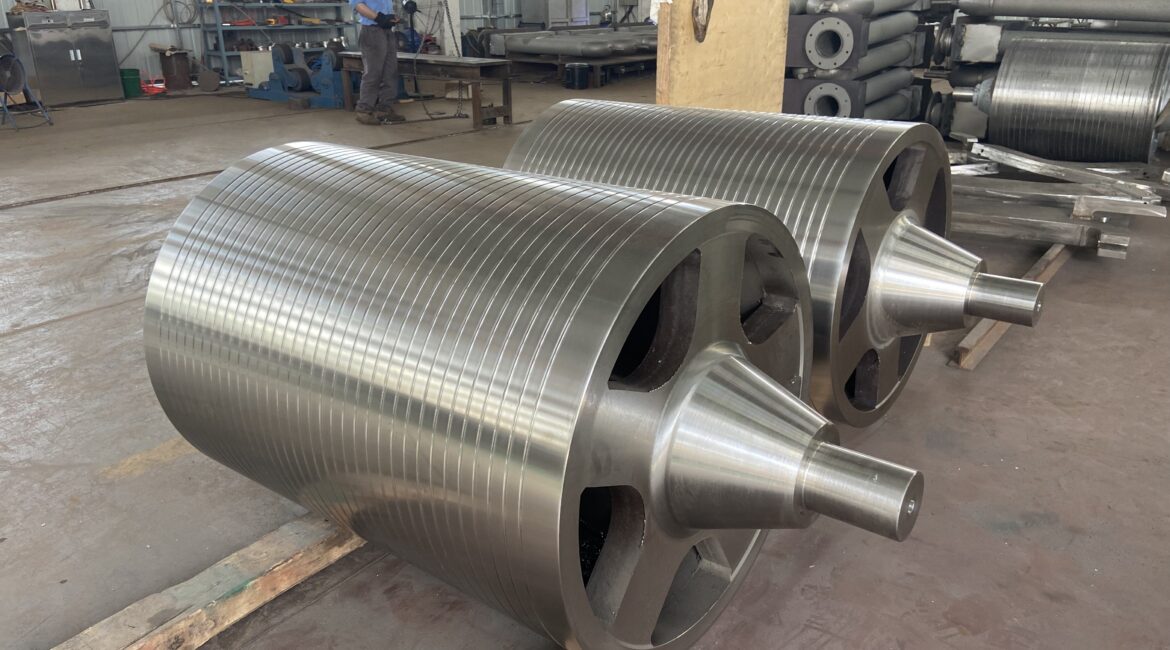

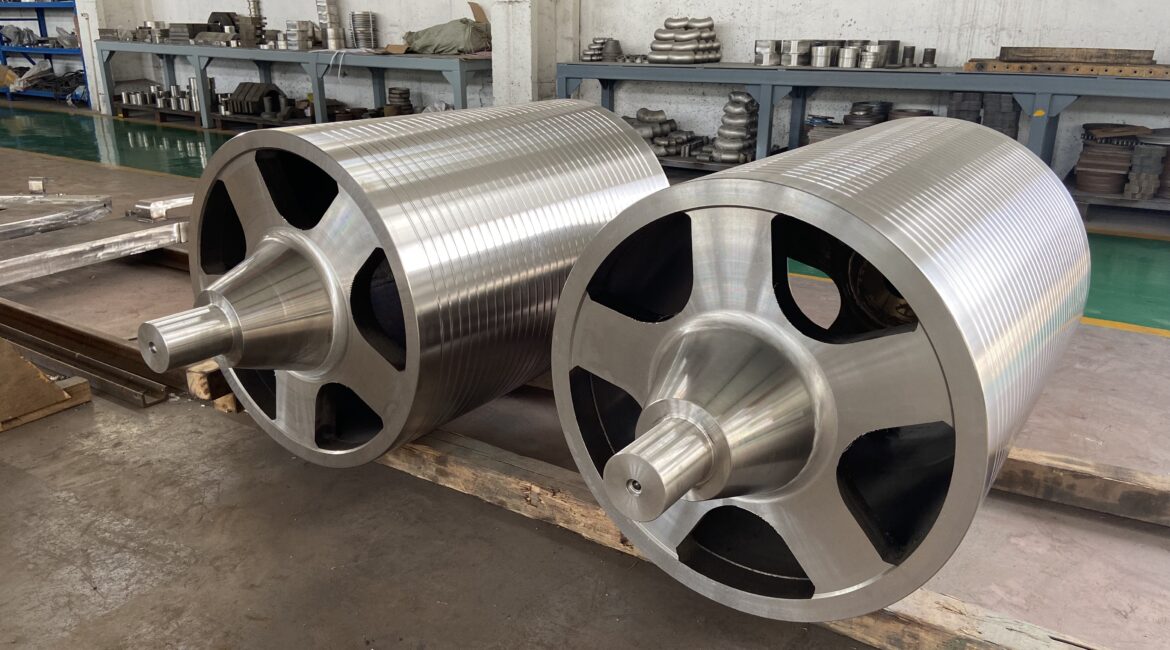
Galvanizing Line Sink Rolls: In a Cycle of Rising Raw Material Prices, How Can “Extended Service Life” Hedge Against Rising Procurement Costs?

Recently, the prices of key alloying elements for heat-resistant steel—such as nickel, molybdenum, and chromium—have remained at persistently high levels. Consequently, the procurement costs for zinc pot spare parts—including sinker rolls and stabilizer rolls—have generally risen by 10% to 20%. The initial reaction of many production supervisors at galvanizing lines
Read More

Why Must Furnace Rollers Be Annealed? The Impact of Professional Annealing Processes on Quality and Service Life

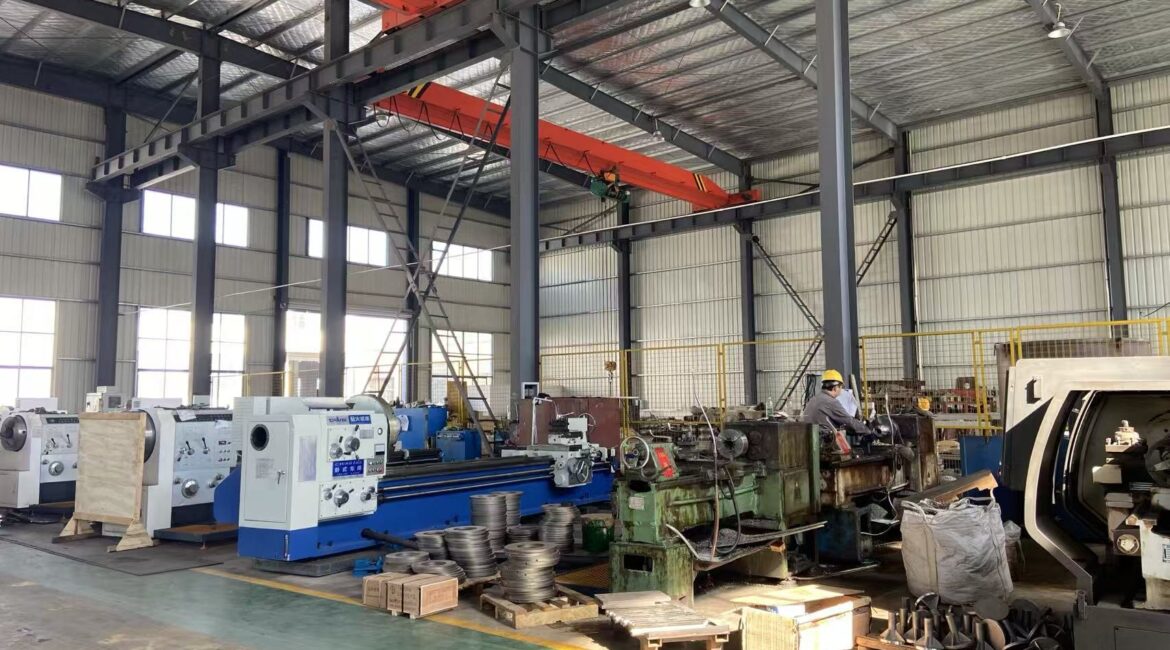
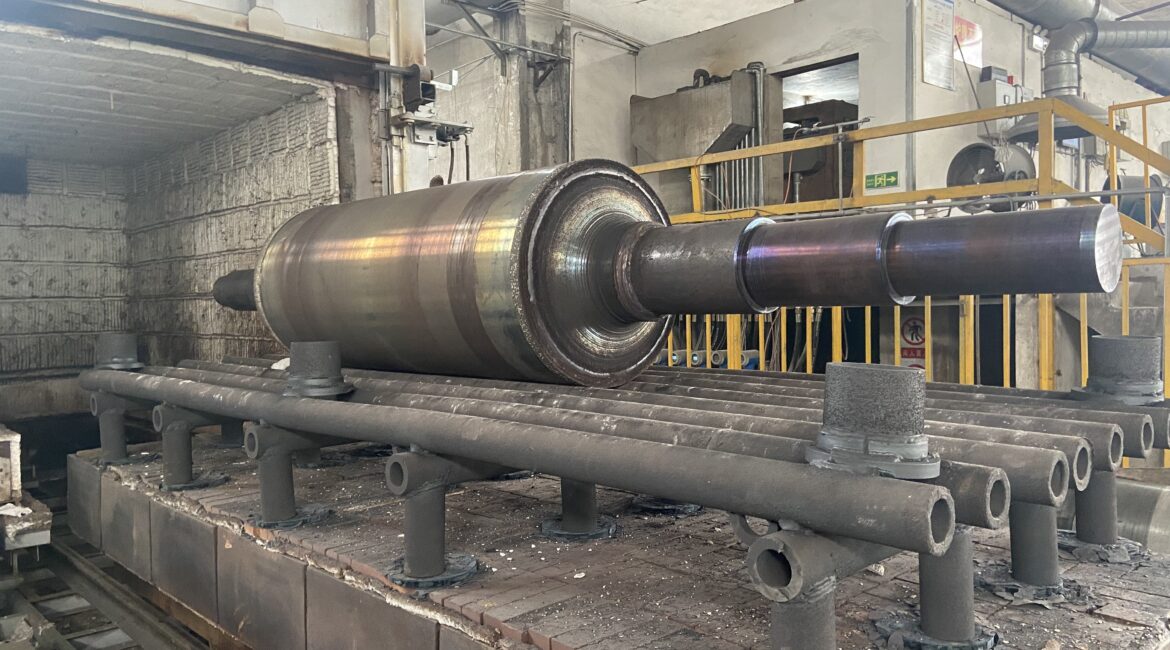
In high-temperature operating environments—such as those found in galvanizing lines, annealing furnaces, and heat treatment systems—furnace rollers constitute one of the most critical core components. When selecting high-quality furnace rollers, many purchasers focus solely on material composition, hardness, and appearance, while overlooking a pivotal factor that determines both the service

Read More

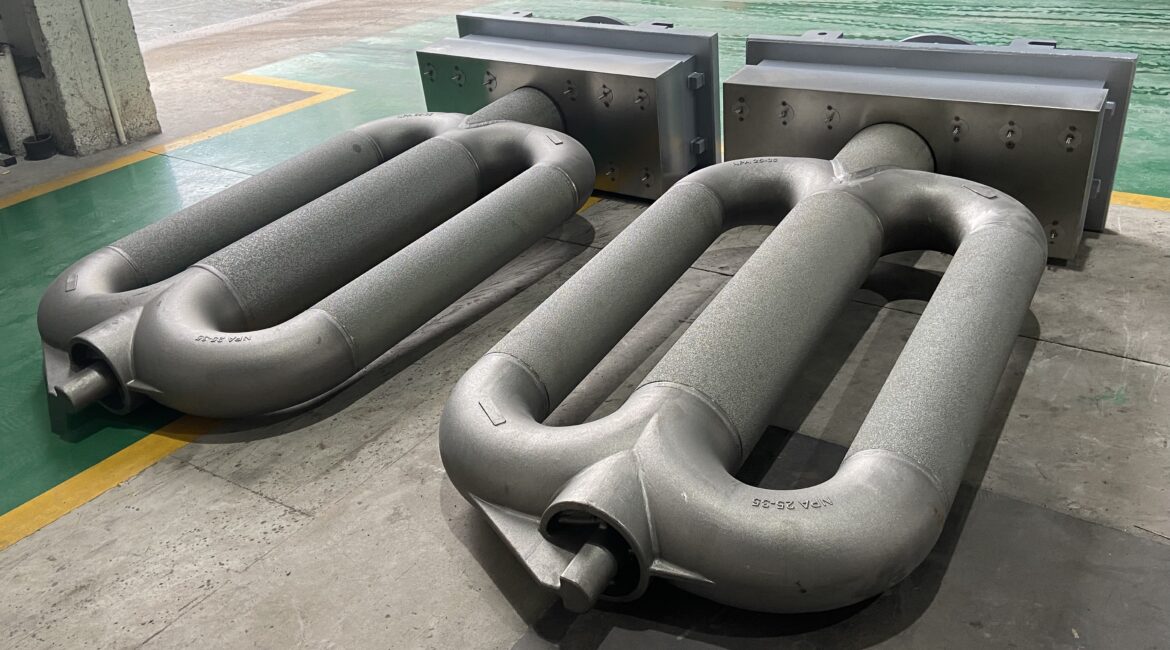
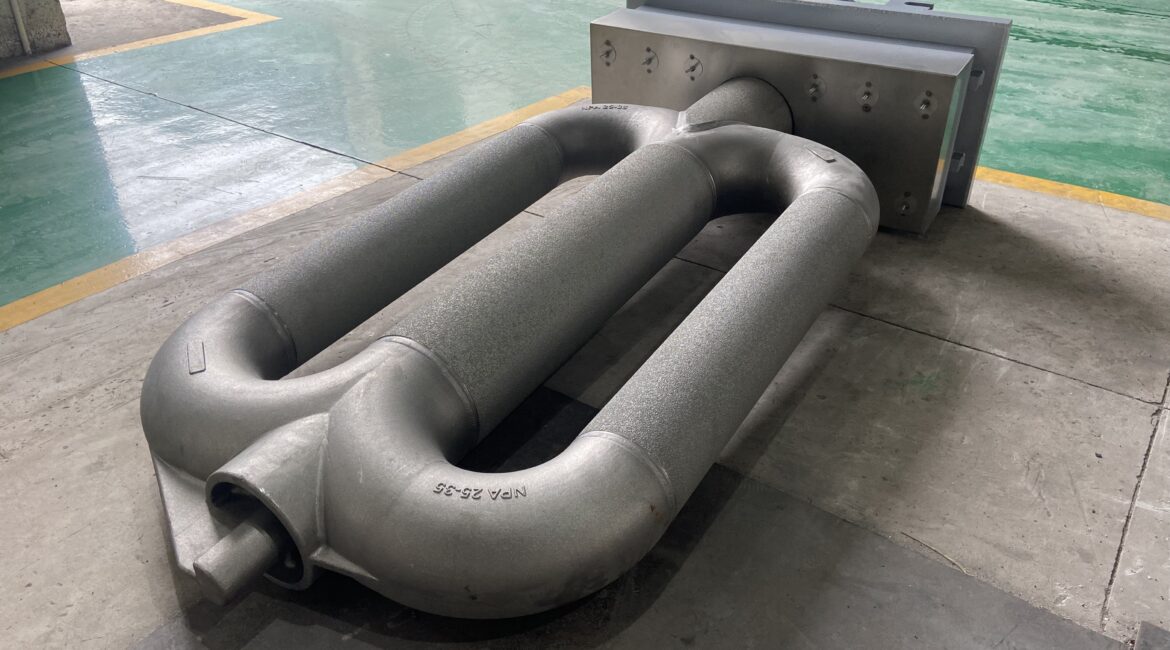
Quick Troubleshooting and Emergency Handling of Common Faults (Leakage, Overheating, Deformation) in Double-P Type Radiant Tubes

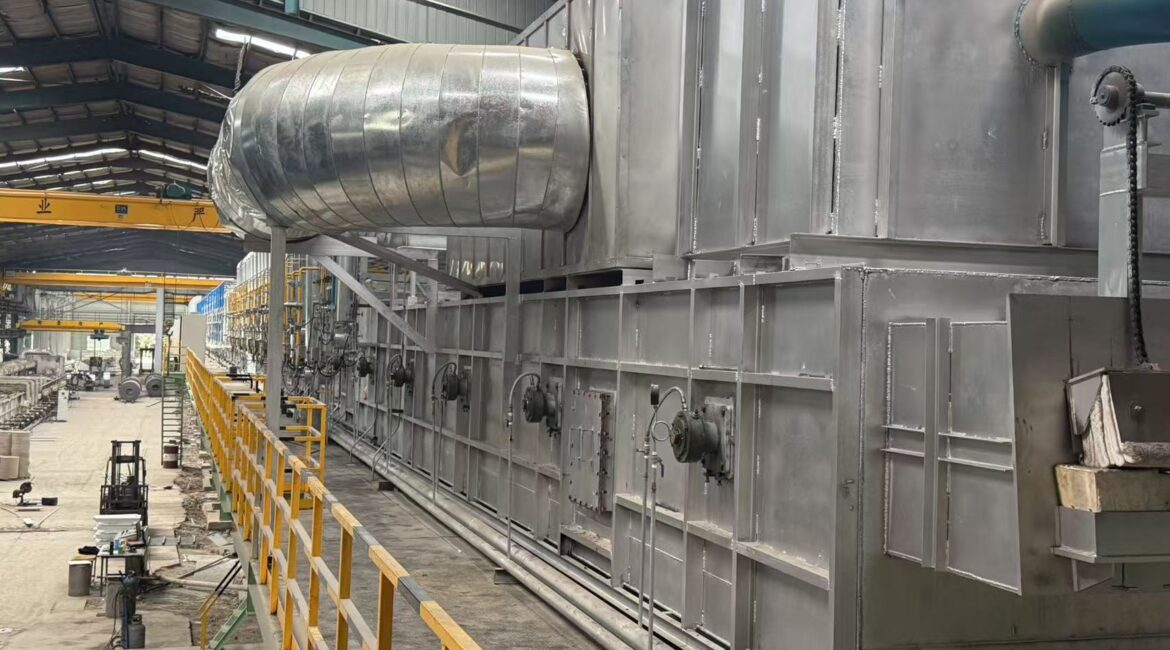
In galvanizing production lines, double-P type radiant tubes are core heating components of annealing furnaces and heating furnaces, responsible for providing stable and uniform heat to the furnace chamber. Their operating status directly affects the quality of galvanized products, production efficiency, and on-site safety. Due to prolonged exposure to high-temperature

Read More

Failure Analysis of Hot-Dip Galvanized Bushings and Bearings: Unveiling the Root Causes and Solutions for Short Lifespan and Excessive Vibration

In hot-dip galvanizing production lines, the zinc pot bushings and stabilizing roller bearings are core components that withstand the most demanding operating conditions. They are continuously immersed in molten zinc at temperatures exceeding 460°C and subjected to mechanical wear. This commonly leads to short service life, frequent replacements, roller system

Read More

The difference between hot-dip galvanizing and cold galvanizing: Why is hot-dip galvanizing the preferred method in industrial production

Hot-dip galvanizing and cold-dip galvanizing are the two most mainstream processes in the field of industrial metal corrosion protection. They differ fundamentally in process principles, corrosion protection effects, applicable scenarios, and overall costs. Hot-dip galvanizing, due to its superior corrosion resistance, longer service life, and lower long-term overall cost, has

Read More

Hot-dip galvanizing core process breakdown: Key technical points of the entire process including annealing, galvanizing, and cooling

Hot-dip galvanizing is a core process for steel strip corrosion protection and is widely used in many fields. The three main stages—annealing, galvanizing, and cooling—are interconnected, each playing a crucial role in “laying the foundation, determining quality, and ensuring shaping.” Currently, many factories experience frequent problems such as steel strip

Read More

Furnace Nose Zinc Slag Cleaning and Sealing Optimization: A Practical Guide to Eliminating Zinc Particle Defects and Improving Steel Strip Surface Quality

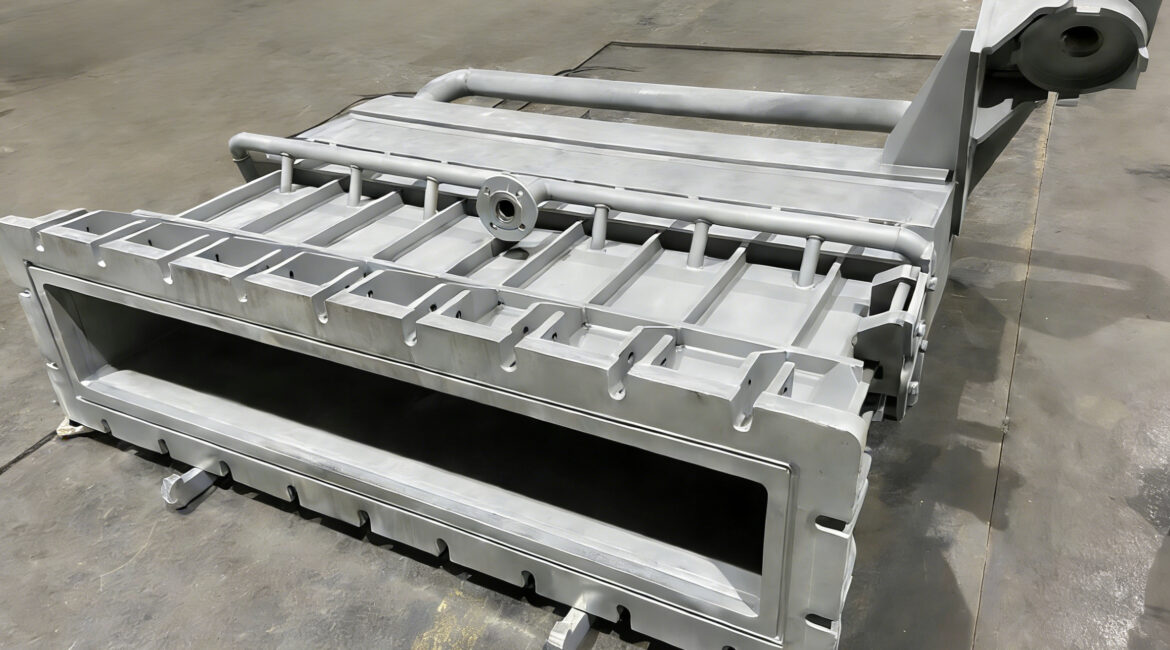
In hot-dip galvanizing production lines, the furnace nose is a core component connecting the annealing furnace and the zinc pot, and its operating condition directly determines the surface quality of the steel strip. Zinc dross accumulation and sealing performance failure in the furnace nose are common problems in the industry,

Read More

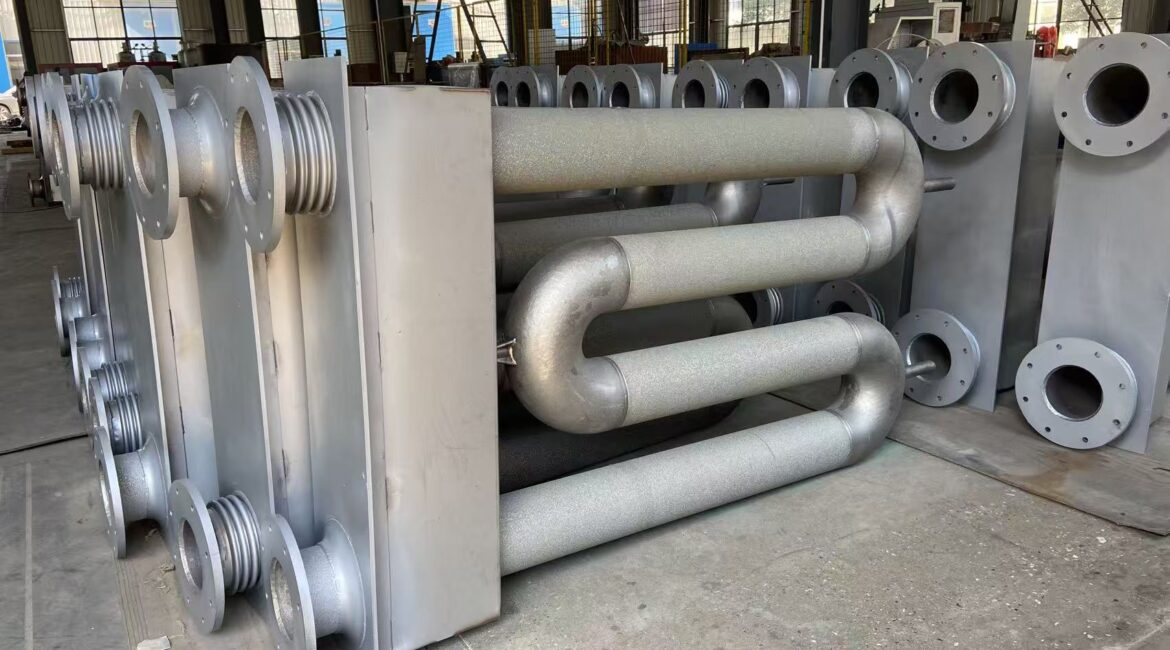
Cost Reduction Strategy for Hot-Dip Galvanizing Production Lines: Choosing the Right W/Double P-Type Radiant Tubes to Reduce Operating and Maintenance Costs from the Source

In the operation of hot-dip galvanizing production lines, the costs of radiant tube maintenance and replacement have remained consistently high. Frequent malfunctions, high energy consumption, and difficulties in adaptation and modification hinder companies from reducing costs and improving efficiency. W-type and double P-type radiant tubes, through dual optimization of structure

Read More

In-depth analysis of the working principle of the sink roll: Precise positioning is key to ensuring the uniformity of the galvanized layer

In the core section of the hot-dip galvanizing production line, the sink roll, as a key component completely immersed in the molten zinc, plays a role far beyond simply guiding the steel strip. Its working principle, especially its precise positioning in three-dimensional space, is a core technology that determines the

Read More

2520 heat-resistant steel: Why it’s the ideal choice for long-lasting and high-performance W-type radiant tubes

In the manufacturing of W-shaped radiant tubes—a core component of high-temperature industrial furnaces—the choice of material directly determines their lifespan, energy efficiency, and reliability. This article will provide an in-depth analysis of why 2520 heat-resistant steel (310S) has become the industry standard material for handling demanding operating conditions, due to

Read More
  • 1
  • 2