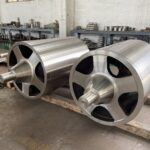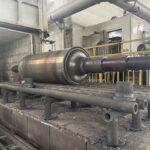

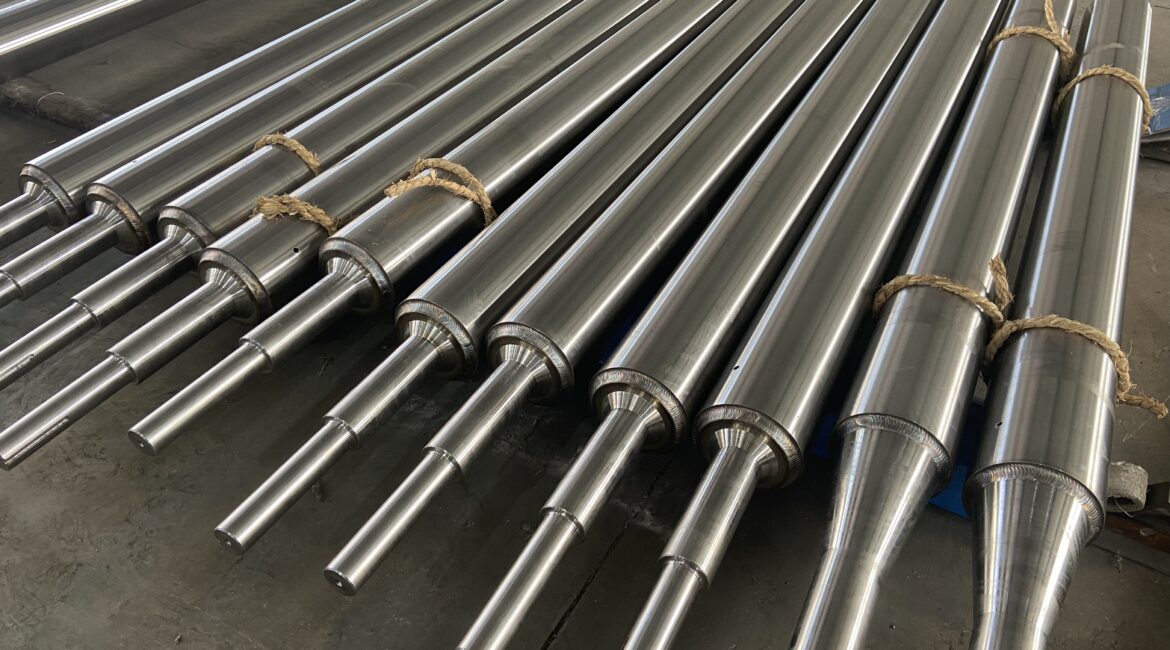
In the steel processing industry, the surface quality of continuously hot-dip galvanized steel sheets directly impacts customer satisfaction and market reputation. However, the persistent problem of scale buildup on annealing furnace rolls, a stubborn “invisible killer,” often leads to defects such as indentations, scratches, or color differences on the steel strip. This not only increases the cost of defective products but also disrupts production schedules due to unplanned downtime. This article will analyze the causes and evolution of furnace roll scale buildup and provide systematic prevention strategies, offering practical solutions for equipment and process managers.
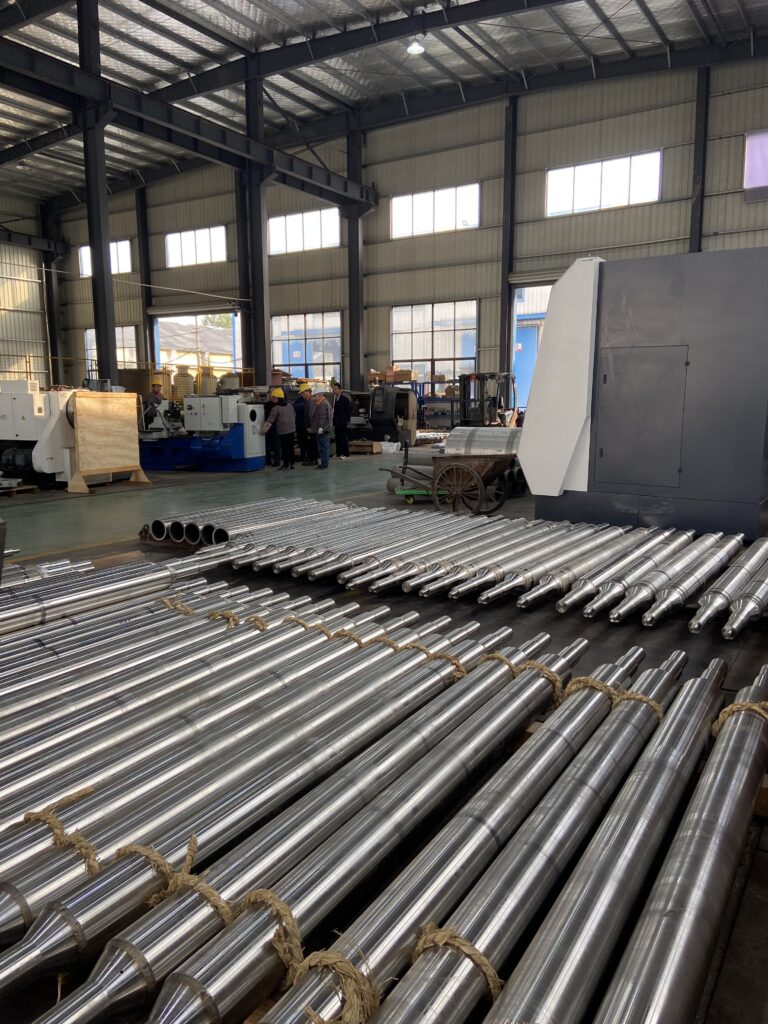
How do scale deposits form on furnace rolls
To effectively prevent nodule formation, it is essential to first understand how nodules are formed. Nodule formation is essentially the adhesion and accumulation of foreign matter on the surface of high-temperature furnace rolls, primarily resulting from the failure to control the following two key processes:
Source of pollution: Insufficient cleanliness of the steel strip before entering the furnace
This is the most common cause in modified Sendzimir (horizontal furnace) production lines. When the cleaning section of the unit is weak or the process is unstable, residual rolling oil, iron powder, and other impurities on the steel strip surface cannot be completely removed. These contaminants enter the high-temperature annealing furnace and, under the high temperature of the rollers, carbonize and sinter, forming an initial adhesion layer. This layer then accumulates continuously like a snowball, eventually forming hard, nodular deposits.
Atmosphere disruption: In-furnace oxidation and secondary pollution
The annealing furnace needs to maintain a strictly reducing protective atmosphere (nitrogen-hydrogen mixture). If air enters the furnace due to poor sealing, flange leaks, or bearing seal failure, the oxygen content and dew point inside the furnace will suddenly increase. This leads to oxidation of the steel strip surface, forming loose iron oxide scale. These oxides easily detach and become pressed onto the roller surface, becoming another important source of scale buildup. Furthermore, leaks in the lubrication system (such as aging bearing oil seals or excessive lubrication) can introduce grease into the furnace, forming coking residues at high temperatures, exacerbating scale buildup.
Systematic prevention strategies: building four key lines of defense
Preventing scale buildup on furnace rolls cannot rely on reactive measures; a proactive prevention system must be established.
·Strengthen cleaning at the source
Ensure the efficient and stable operation of all processes in the pre-cleaning section (alkaline cleaning, electrolysis, brushing, and rinsing). Pay close attention to the brush roller pressure and wear condition, the electrolyte concentration and conductivity, and the adsorption efficiency of the magnetic filter. Establish regular monitoring standards for cleaning effectiveness (such as water film testing) to guarantee that the steel strip is absolutely clean before entering the furnace.
·Strictly control the atmosphere inside the furnace
Treat atmosphere management as a top priority in daily inspections. Regularly use professional instruments to test the sealing performance of all parts of the furnace, especially critical points such as the furnace throat (furnace nose), observation windows, and roller sleeve seals. Establish strict procedures for re-introducing gas after shutdown, ensuring that after maintenance, sufficient nitrogen purging is performed to restore the oxygen content and dew point to within the process requirements.
·Standardize equipment lubrication and sealing maintenance
Establish accurate lubrication records for moving parts such as furnace bearings and roll necks. Follow the “small amounts, frequent application” lubrication principle, use the specified type of high-temperature grease, and regularly inspect and replace seals to completely eliminate furnace contamination caused by grease leakage.
·Implement predictive maintenance
In conjunction with the production line overhaul schedule, regular furnace inspections are arranged. After the furnace is shut down and cooled, the surface condition of all furnace rollers, bearing operating sounds, and sealing conditions are systematically checked. Any minor scaling or roller surface damage found is immediately addressed through online grinding or repair to prevent small problems from escalating into major malfunctions.
Transforming maintenance into a core competency
Preventing furnace roll scaling is far more than a single technical issue; it reflects the maturity of a company’s equipment management system and the rigor of its process execution. By building a comprehensive protection network encompassing everything from source cleaning to furnace atmosphere control, and from daily inspections to periodic maintenance, companies can not only significantly improve the surface quality and consistency of galvanized products but also substantially reduce unplanned downtime, ensuring on-time delivery of orders. Ultimately, this establishes a sustainable competitive advantage through cost control and customer trust.
Are you looking for reliable solutions to improve the stability and product quality of your galvanizing line? Contact us to receive personalized furnace roller maintenance and process optimization recommendations tailored to your equipment configuration.