
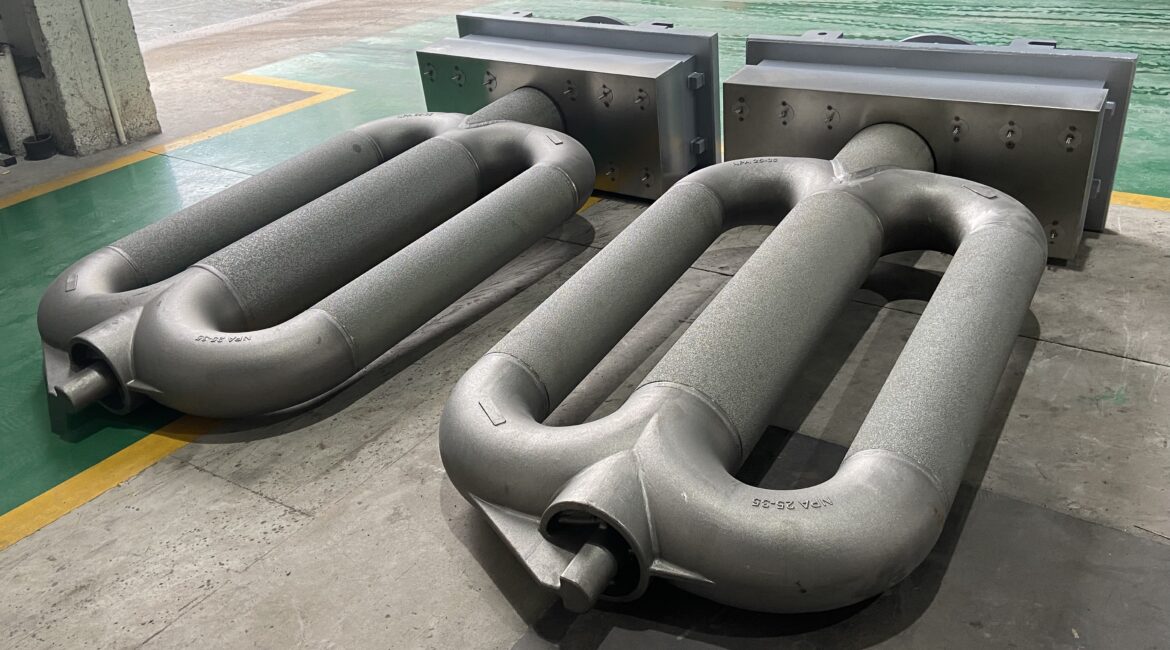
In the operation of hot-dip galvanizing production lines, the costs of radiant tube maintenance and replacement have remained consistently high. Frequent malfunctions, high energy consumption, and difficulties in adaptation and modification hinder companies from reducing costs and improving efficiency. W-type and double P-type radiant tubes, through dual optimization of structure and materials, have become effective solutions to these problems, systematically reducing overall operating and maintenance costs from four dimensions: replacement, energy consumption, labor, and supporting facilities.
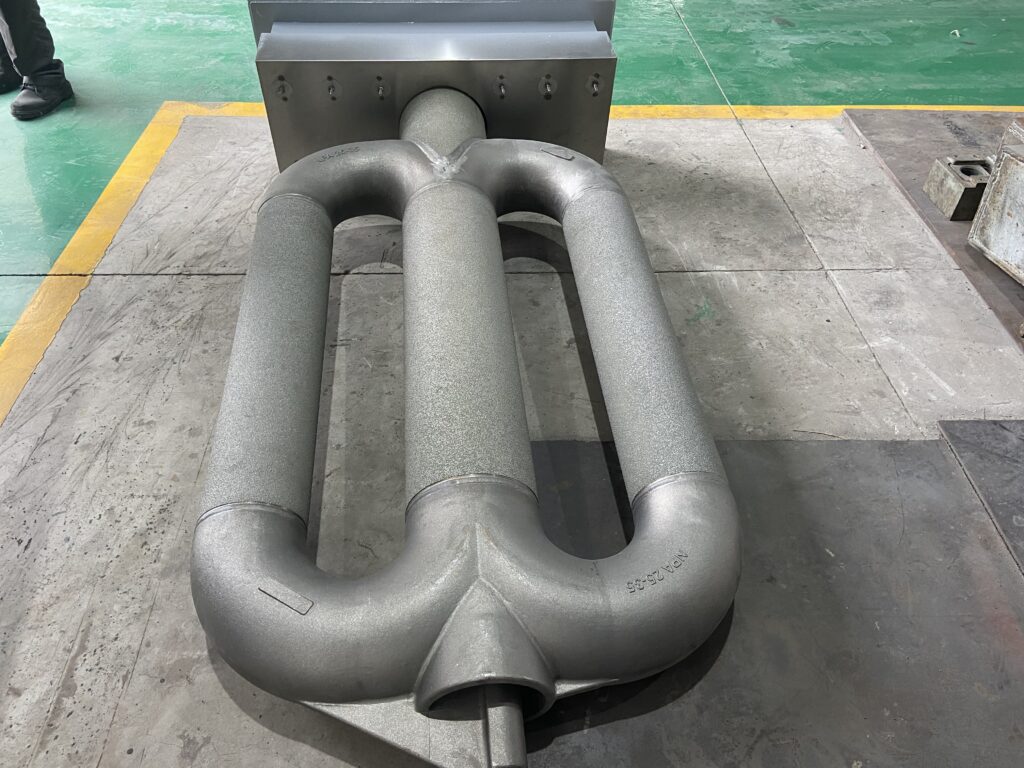
The core advantages of W/double P-type radiant tubes
The structural design is tailored to the requirements of the hot-dip galvanizing process
The W-shaped radiant tube adopts a multi-loop heating structure, resulting in a more uniform temperature distribution inside the furnace and reducing thermal stress cracking caused by localized overheating. The double P-shaped radiant tube features a symmetrical design, ensuring high uniformity of the tube wall temperature, making it particularly suitable for vertical annealing furnaces and compact continuous furnaces, thus avoiding the costs of furnace modifications due to structural mismatches.
Upgraded materials significantly extend the service life
Made of high-temperature resistant and oxidation-resistant special alloy, it forms a dense oxide film on the surface, exhibiting outstanding corrosion resistance and carbon deposition resistance. It can adapt to the complex atmosphere inside the hot-dip galvanizing furnace, significantly extending the service life of the pipe and reducing replacement frequency and procurement costs.
Modular design improves maintenance efficiency
Both types of radiant tubes feature a modular, quick-installation design, making installation and removal easy. This significantly reduces production line downtime, minimizing labor maintenance costs and production losses.
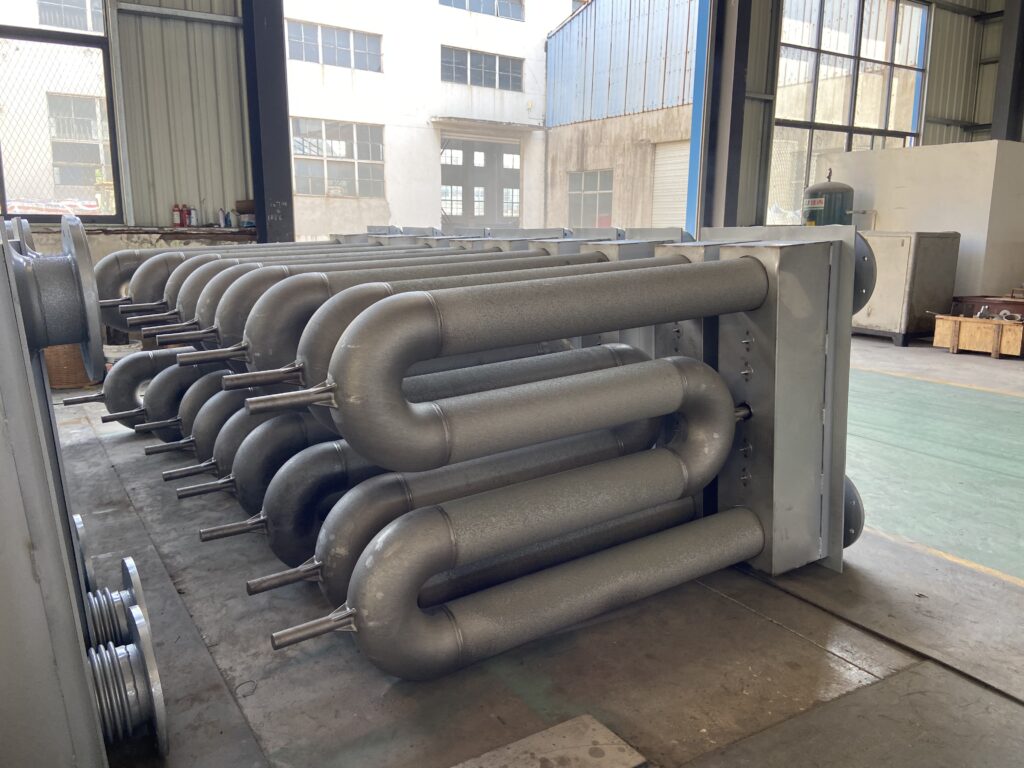
Detailed analysis of the four main cost reduction strategies
Extend service life and reduce replacement and downtime costs
Traditional radiant tubes are prone to damage and have a short lifespan. Replacing them incurs not only procurement costs but also production losses due to downtime. The W/double P-type radiant tube, through optimized design and materials, extends the average service life to over 3 years, with some units proven to last over 5 years in large-scale production lines without significant damage, significantly reducing replacement frequency and overall downtime costs.
Improve energy efficiency and reduce energy costs
The energy consumption of radiant tubes accounts for more than 30% of the total energy consumption in hot-dip galvanizing. W/double P-type radiant tubes have a surface temperature difference of less than 30℃ and a thermal radiation efficiency exceeding 80%, resulting in energy savings of more than 30% compared to traditional tubes, effectively reducing the consumption of natural gas and electricity. High-efficiency heating also shortens the furnace warm-up time, reducing energy waste during the start-up and preheating phase.
Simplify maintenance and reduce labor costs
Improved temperature uniformity reduces the failure rate and decreases the workload of routine inspections. The modular design shortens the single-tube replacement time by approximately 60%, and the cleaning and repair procedures are also reduced due to the anti-carbon deposition characteristics of the tube body, significantly lowering overall maintenance labor costs.
High compatibility, saving on modification costs
It supports both standardized and customized production, and can be directly adapted to most continuous furnaces, vertical furnaces, and small galvanizing furnaces, avoiding costly furnace modifications for installing radiant tubes. It is also compatible with various types of fuel gases, eliminating the need to replace the combustion system and further controlling associated costs.
How to select the right equipment based on production line characteristics
- W-shaped radiant tubes: Suitable for large-scale continuous hot-dip galvanizing lines with an annual production capacity of over 300,000 tons, and ideal for applications requiring uniform heating, such as wide steel strips and automotive components.
- Double P-type radiant tubes: More suitable for vertical annealing furnaces, small and medium-sized continuous furnaces, and the production of precision parts (such as battery casings and metal parts). They feature a compact structure and high single-tube power, enabling efficient heating in limited spaces.
It is recommended to make your selection based on your specific furnace type, product specifications, and production capacity requirements. If necessary, you can utilize technical support from the supplier to ensure accurate selection.
Quality and service guarantees ensure sustainable cost reduction
From raw material procurement to production testing, our comprehensive quality control process ensures that the radiant tubes are free from structural defects and material issues. We support customized solutions to perfectly fit existing furnace bodies and processes, and provide installation guidance, maintenance training, and rapid troubleshooting services, forming a complete lifecycle support system from product to service, helping businesses achieve stable and long-term cost reduction.
The key to reducing costs in hot-dip galvanizing production lines lies in selecting radiant tubes with a reasonable structure, durable materials, and high energy efficiency. W-type and double P-type radiant tubes, through targeted design optimization, demonstrate outstanding performance in extending lifespan, saving energy, simplifying maintenance, and adapting to existing systems without modification. Their cost-saving effects have been proven in actual production. If your production line is facing high radiant tube maintenance costs, we recommend a systematic evaluation and consideration of replacing them with compatible W/double P-type radiant tubes to achieve sustainable cost reduction and efficiency improvement.