
In industrial furnaces used in sectors such as metallurgy, heat treatment, and the chemical industry, the W-shaped radiant tube serves as a core heating element, prized for its high heating efficiency and exceptional high-temperature resistance. Its “golden partner”—the accompanying insulation box—complements it perfectly by providing both energy efficiency and protection. Today, we will walk you through the entire production process of this complete system.
Smelting of raw material blends—solidifying the foundation of the feedstock
Radiant tubes operate in high-temperature environments over extended periods, placing extremely rigorous demands on the materials used. We carefully select high-temperature and corrosion-resistant alloy raw materials, precisely proportioning them according to standard ratios before subjecting them to high-temperature smelting. This process ensures the thorough fusion of various metals into a molten alloy with uniform composition and stable performance, thereby controlling product quality right from the source.
Categorized casting: each process plays to its unique strengths
Based on structural differences, straight pipes and elbows are manufactured using different casting processes and undergo rigorous quality inspection upon completion:
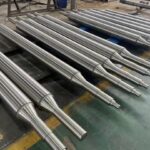
- Straight pip:The centrifugal casting process is employed. Molten superalloy is poured into a rotating mold and shaped uniformly through centrifugal force, resulting in a finished pipe with a dense, solid wall of uniform thickness, as well as significantly enhanced strength and high-temperature resistance.
- Elbows:Manufactured using a precision casting process to achieve exact standard bend profiles. Following casting, every elbow undergoes airtightness testing to detect minute sand holes or fissures, thereby completely eliminating the risk of air or heat leakage.
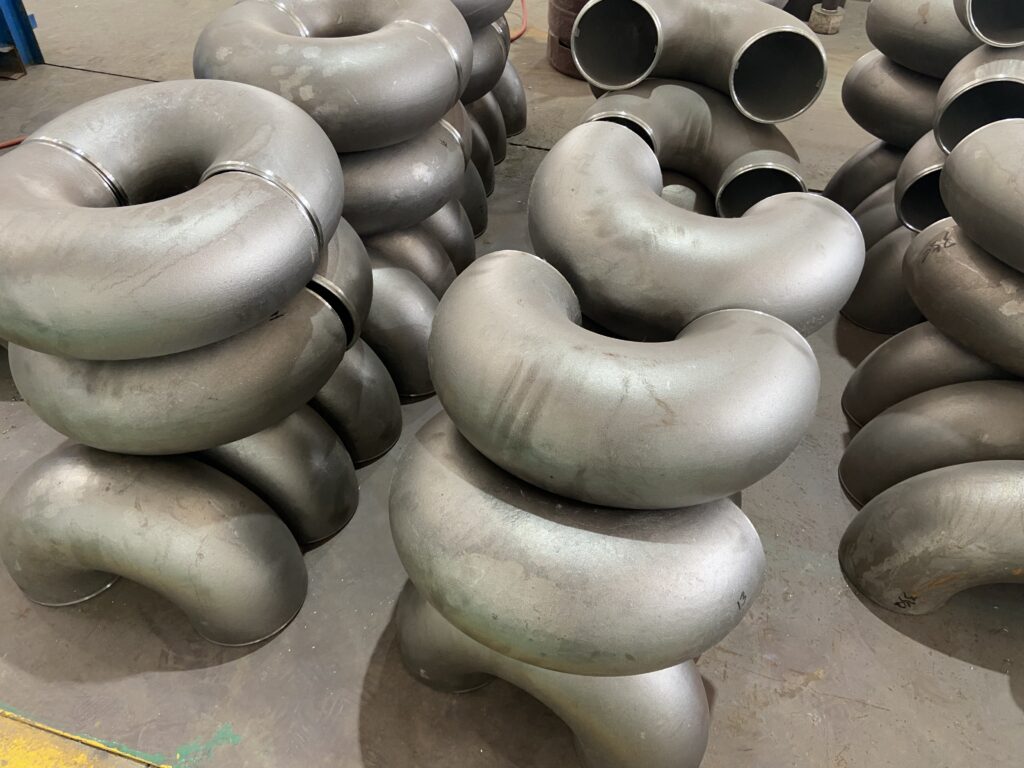
Precision machining with strict control over dimensional accuracy
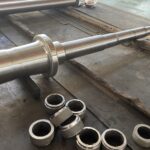
Freshly cast pipe fittings are initially rough castings; their dimensions and surface finishes do not yet meet assembly specifications. Technicians use specialized lathes to perform precision turning and grinding on the fittings’ connection points, profiles, and mating surfaces. Every dimension is executed with absolute accuracy to ensure a seamless, airtight fit during subsequent joining and assembly.
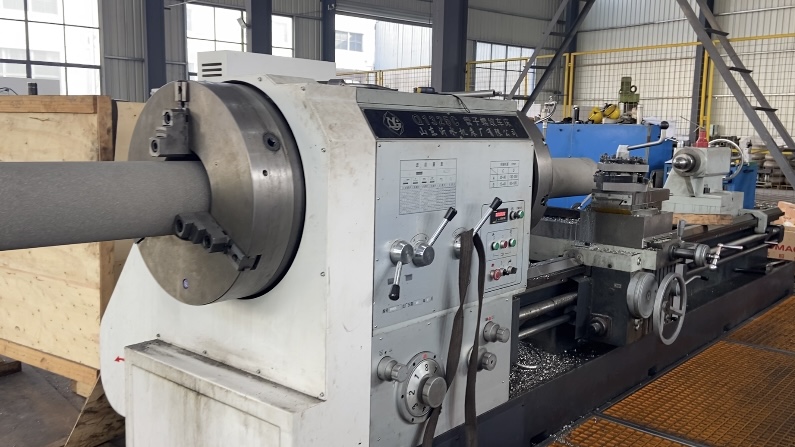
Fit-up and welding + overall pressure testing
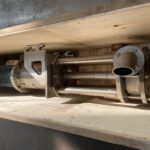
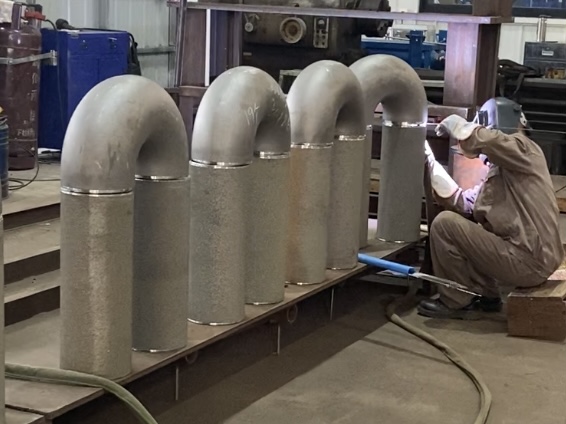
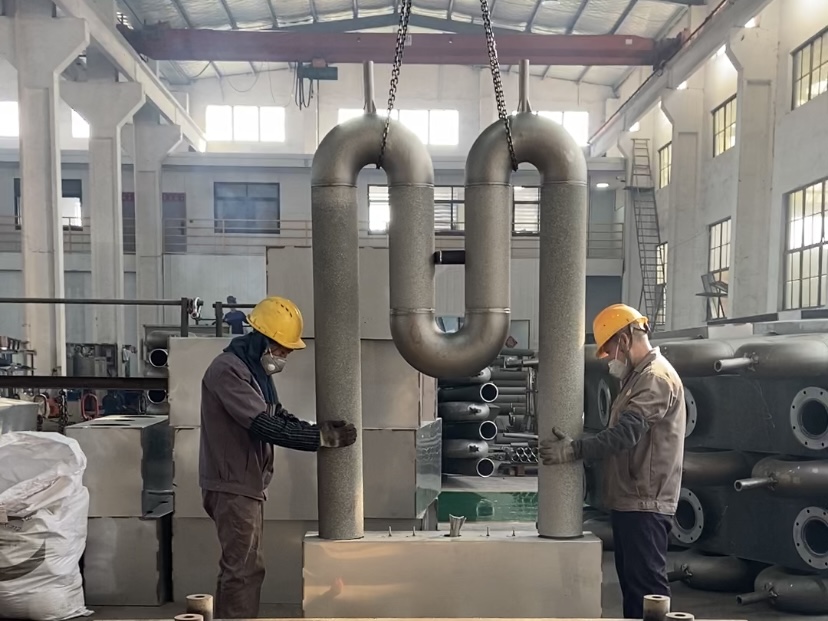
The prepared straight pipes and elbows are precisely aligned and neatly arranged; the assembly is first secured and its overall shape calibrated via tack welding. Full welding is performed only after verifying that dimensions and angles are correct. Strict quality control is maintained throughout the welding process to ensure the seams are strong, smooth, and free of cracks or incomplete fusion, resulting in a complete W-shaped radiant tube.
Upon completion of welding, the entire radiant tube undergoes pressure testing to comprehensively verify the sealing integrity and pressure-bearing capacity of the welds and tube body, identify any welding defects, and ensure the product remains leak-free under high-temperature operating conditions.
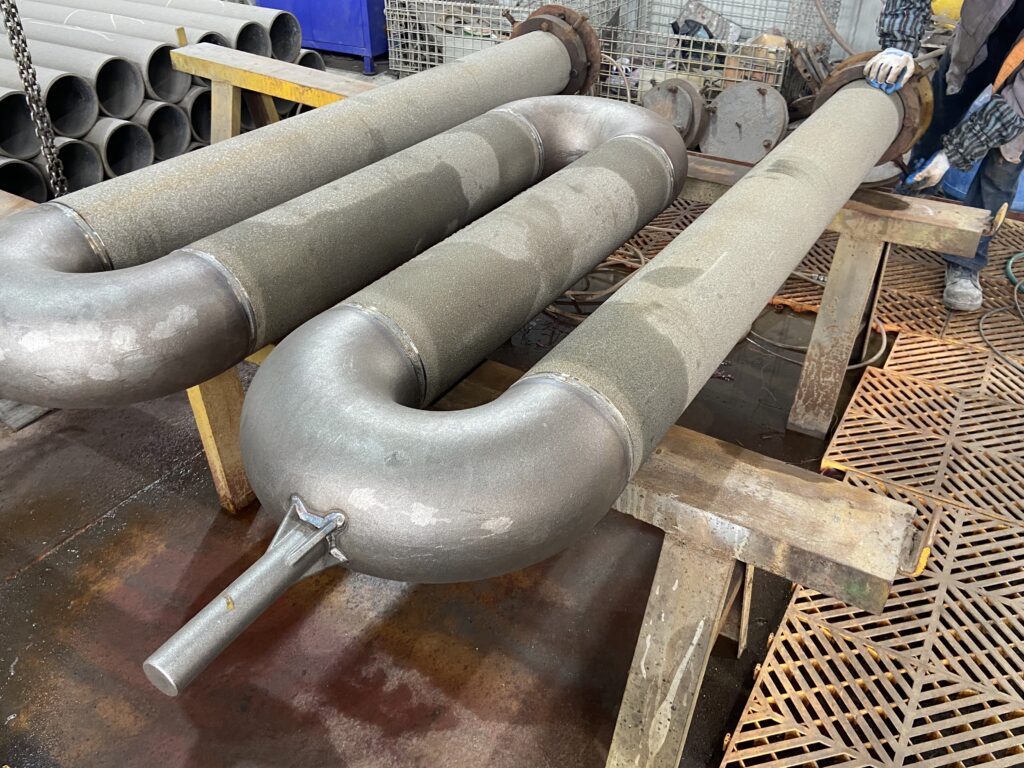
Shot blasting to optimize surface quality
After successfully passing the pressure test, the radiant tubes proceed to the shot-blasting stage. High-speed streams of abrasive media strike the tube surfaces, removing oxide scale, burrs, and impurities resulting from casting and welding, thereby ensuring a clean and smooth finish. This process also strengthens the metal surface layer, enhances corrosion resistance, and lays a solid foundation for subsequent heat treatment.
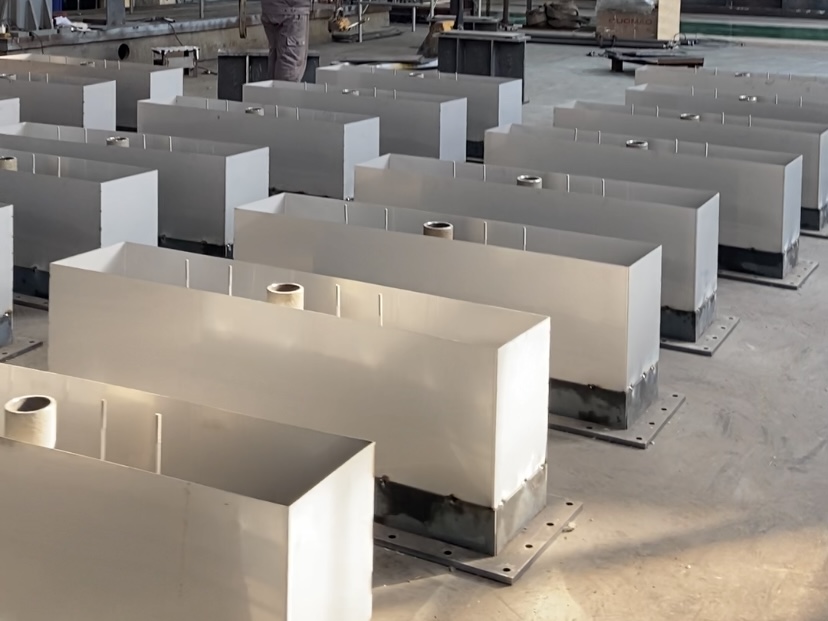
Fabrication, assembly, and reinforcement welding of thermal insulation boxes
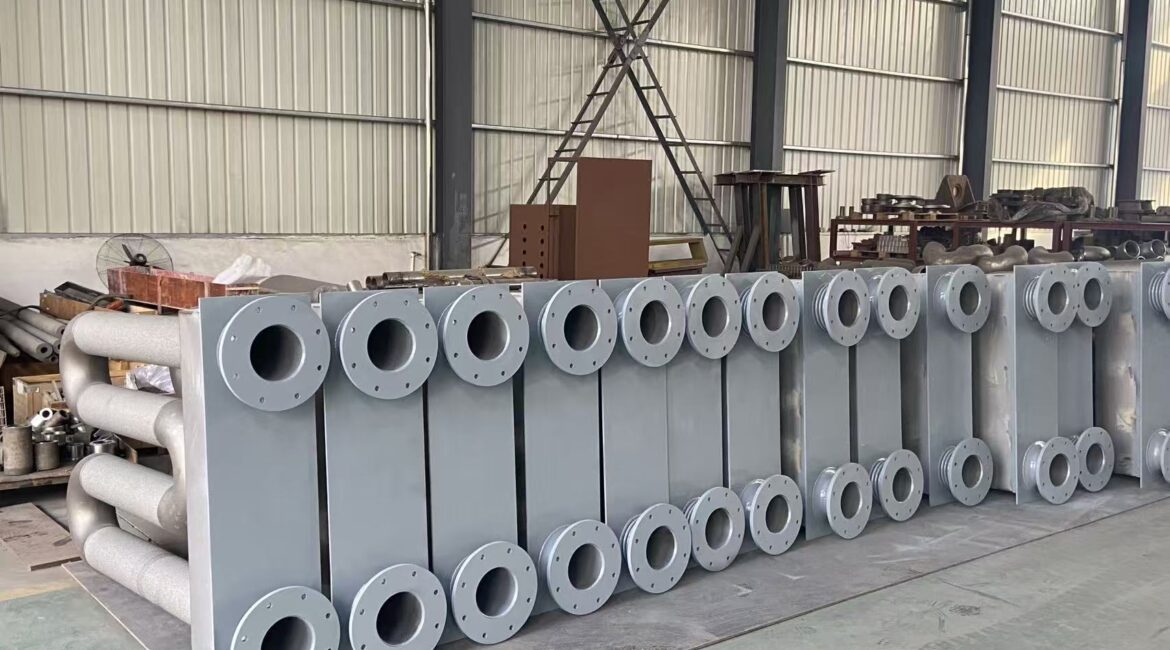
The thermal insulation enclosure acts like a “heat-insulating protective suit” for the radiant tube; it not only traps heat and reduces energy consumption but also shields surrounding equipment from high temperatures.
- High-strength, high-temperature-resistant plate material is selected to fabricate the casing through cutting and welding, ensuring dimensions that perfectly match the radiant tube.
- The interior of the container is filled with high-quality thermal insulation material in layers, compacted thoroughly to eliminate voids and enhance thermal insulation performance.
- Install sealing components and mounting brackets, align and assemble the thermal insulation box with the radiant tube, perform preliminary tightening and securing, and complete the overall commissioning.
- After successful testing, the connection points are reinforced by welding to securely bond the housing, support structure, and radiant tube; this prevents loosening or shifting during equipment operation and further enhances the structural stability of the entire assembly.
Finished products must undergo re-inspection and be certified compliant before leaving the factory
Once the entire product has been assembled and welded, professionals conduct a comprehensive re-inspection of its appearance, dimensions, sealing integrity, and assembly fit; only after all specifications are met is the product packaged, placed in storage, and delivered to the customer.
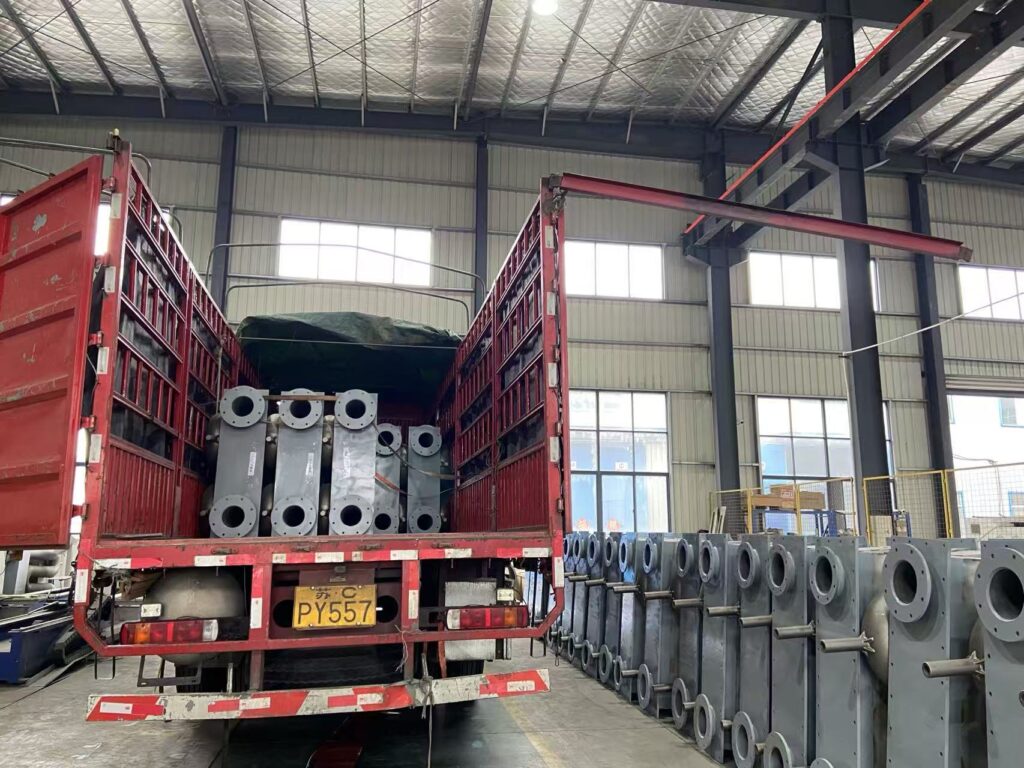
From raw material smelting to the delivery of finished products, excellence is pursued at every stage of the manufacturing process. Leveraging robust craftsmanship and rigorous standards, Xuyang Metallurgy produces high-quality W-type radiant tubes and matching insulation boxes, delivering reliable products that support stable, efficient production across various industries.