
Product Overview
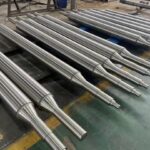
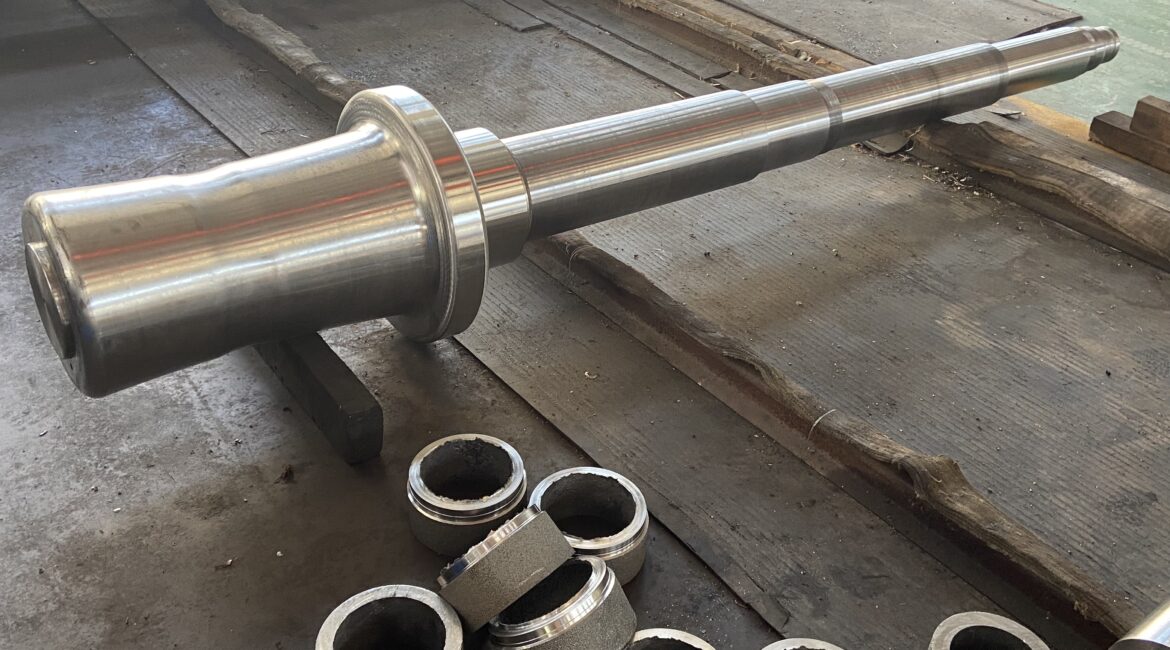
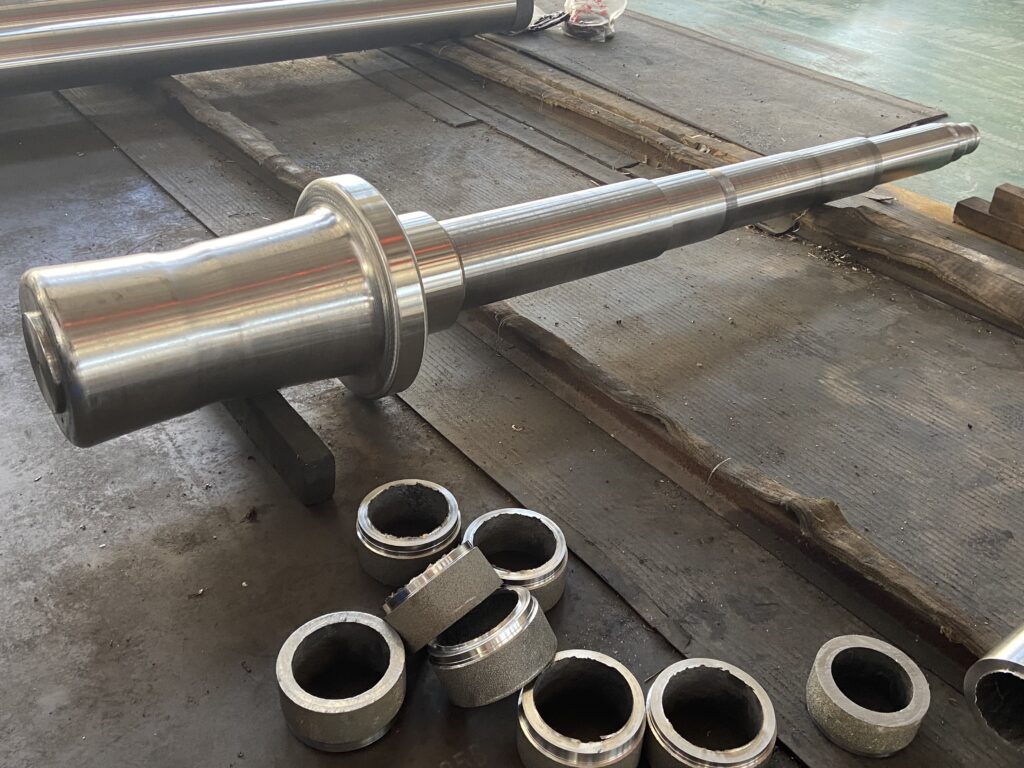
The cantilever roll is a water-cooled conveying component supported at only one end, specifically designed for high-temperature industrial furnaces. Unlike traditional furnace rolls supported at both ends, it features a cantilevered structure—fixed at one end with the other end free-floating—eliminating the need for the roll to pass through the furnace walls and enabling the rapid, smooth entry and exit of high-temperature steel billets and workpieces.
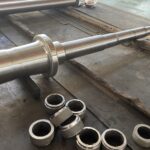
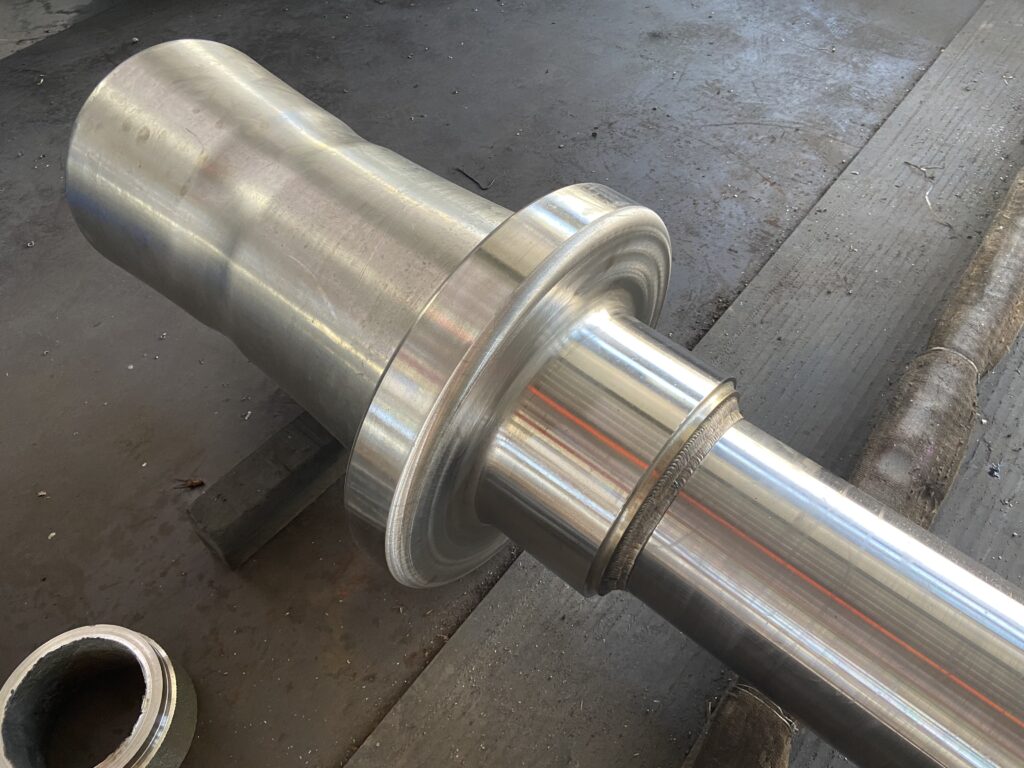
The complete cantilever roll assembly consists of a hollow, water-cooled shaft and a replaceable high-temperature alloy roll head. Combining forced water cooling technology with heat-resistant alloy materials, it offers resistance to thermal shock, high-temperature oxidation, and mechanical impact, ensuring stable, long-term operation under harsh conditions exceeding 1200°C. Widely used in walking-beam reheating furnaces and continuous heat treatment furnaces, it serves as a critical consumable component in metallurgical hot-rolling production lines.
Core Advantages
- Cantilevered structure for easy maintenance: The single-sided support design creates an open, unobstructed layout, preventing material jams during feeding and discharge. Roller heads can be replaced individually without replacing the entire roller shaft, significantly reducing long-term maintenance costs and downtime.
- Water-cooling protection for long-lasting durability: The hollow roller utilizes internal forced-circulation water cooling to rapidly dissipate heat, preventing high-temperature creep, deformation, and leakage, thereby ensuring continuous production within the high-temperature furnace.
- High-Quality Heat-Resistant Alloy Material: The core wear-resistant components of the roll head are made from high-chromium, high-nickel heat-resistant alloys—such as ZG4Cr25Ni20Si2, ZG4Cr25Ni35Si2, and ZG4Cr28Ni48W5Si2—alloyed with tungsten. These materials offer excellent oxidation resistance, creep resistance, and thermal shock resistance, making them suitable for high-temperature environments characterized by heavy loads and frequent impacts.
- High-precision machining ensures smooth transport: rigorous machining and dynamic balancing verification result in a roller runout tolerance of ≤0.03mm. Heavy-load transport proceeds without vibration or deviation, guaranteeing precise and stable billet conveyance.
- Flexible Customization: Roll diameter, total length, roll head profile (conical/curved), alloy grade, and drive configuration can be customized to meet specific requirements, ensuring compatibility with various furnace types and production line parameters.
Application Areas
Cantilever rolls are primarily used in high-temperature heat treatment applications requiring frequent loading and unloading, demonstrating outstanding performance in the metallurgy and heat treatment industries:
- Iron and Steel Industry: Core auxiliary components for walking-beam reheating furnaces; responsible for the automatic charging and discharging of high-temperature steel billets (such as square and round billets) in synchronization with the pace of the hot rolling production line.
- Heat Treatment Industry: Suitable for continuous annealing furnaces, quenching furnaces, and tempering furnaces, ensuring the stable transport of metal workpieces under thermal shock conditions.
- Heavy-duty forging and rolling operations: Workpiece transfer between heating furnaces and rolling mills or forging presses, designed to withstand heavy loads and high-frequency impact conditions.
- Other high-temperature furnace equipment: various types of industrial furnaces requiring single-sided cantilevered, unobstructed material handling.
Key technical parameters
| Parameter Items | Technical Specifications |
| Main material | ZG4Cr25Ni20Si2, ZG4Cr25Ni35Si2, ZG4Cr28Ni48W5Si2 (customization available) |
| Maximum operating temperature | 1250℃ |
| Cooling method | Forced water cooling with internal circulation |
| Runout tolerance | ≤0.03mm |
| Conveying speed | 0.2–1.5 m/s (adjustable) |
| Customization Scope | Roll diameter, length, profile, and drive method |
Product Structure Description
The complete cantilever roll assembly consists of four core components featuring a modular design, allowing for convenient disassembly and replacement.
- Replaceable roll head: A high-temperature-resistant component that comes into direct contact with hot steel billets and withstands thermal shock and friction; it is a primary wear part with low replacement costs.
- Water-cooled roller shaft: A hollow, integral steel structure that bears the load and circulates cooling water, preventing high-temperature deformation of the main shaft.
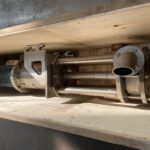
- Rotary joint: A specialized inlet/outlet connection component that ensures the sealed circulation of cooling water, preventing leakage and pressure loss.
- Bearing and drive base: Fixed on one side to support a cantilevered structure, paired with a gear motor to provide smooth rotational drive.
Customization and supporting services
We provide global industrial clients with one-stop custom solutions for cantilever rolls. Products can be tailored in terms of material and specifications based on furnace dimensions, operating temperatures, load requirements, and specific production line conditions. Before shipment, all products undergo non-destructive testing, dimensional calibration, and high-temperature performance verification to ensure consistent, reliable quality.
We support both small-batch trial orders and large-scale custom production, providing comprehensive technical after-sales support—including installation, commissioning, and routine maintenance—to help customers reduce equipment failure rates and extend service life.
Frequently Asked Questions
Q1: What is the primary difference between a cantilever roll and a standard furnace roll?
A1: Cantilever rolls feature a single-sided, overhanging support design with one end unobstructed, facilitating the entry and exit of steel billets. In contrast, standard furnace rolls are supported at both ends; while suitable for internal transport, they are ill-suited for loading and unloading operations at the furnace opening. Additionally, the roll heads of cantilever rolls can be replaced individually, resulting in lower maintenance costs.
Q2: How is service life ensured at high temperatures of 1200°C?
A2: On one hand, a high-chromium, high-nickel, tungsten-containing heat-resistant alloy is used to resist high-temperature oxidation and creep; on the other, a built-in forced water-cooling system continuously dissipates heat from the roll body, ensuring stable, long-term operation in high-temperature environments.