
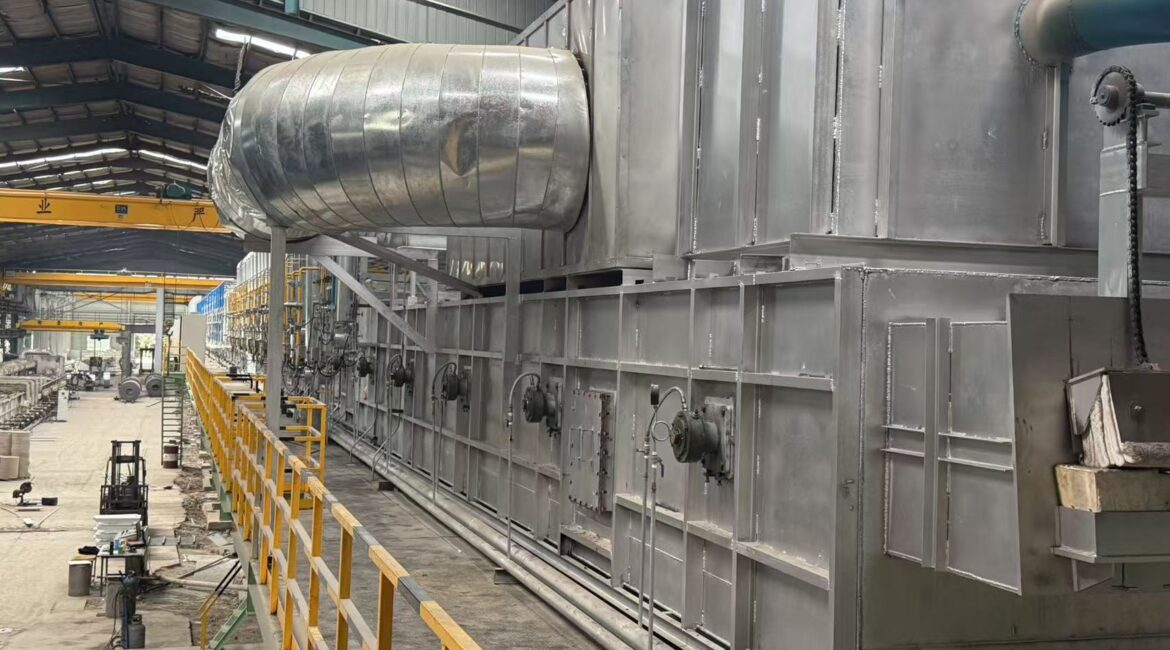
Hot-dip galvanizing core process breakdown: Key technical points of the entire process including annealing, galvanizing, and cooling

Hot-dip galvanizing is a core process for steel strip corrosion protection and is widely used in many fields. The three main stages—annealing, galvanizing, and cooling—are interconnected, each playing a crucial role in “laying the foundation, determining quality, and ensuring shaping.” Currently, many factories experience frequent problems such as steel strip
Read More

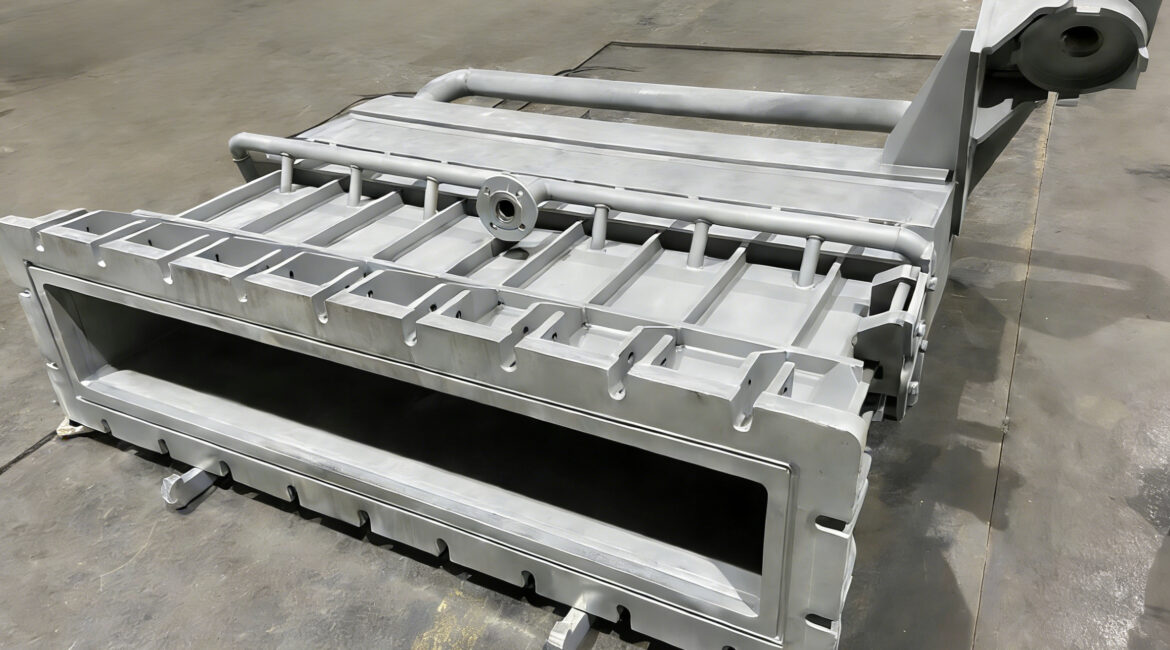
Furnace Nose Zinc Slag Cleaning and Sealing Optimization: A Practical Guide to Eliminating Zinc Particle Defects and Improving Steel Strip Surface Quality

In hot-dip galvanizing production lines, the furnace nose is a core component connecting the annealing furnace and the zinc pot, and its operating condition directly determines the surface quality of the steel strip. Zinc dross accumulation and sealing performance failure in the furnace nose are common problems in the industry,

Read More

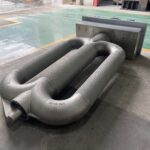
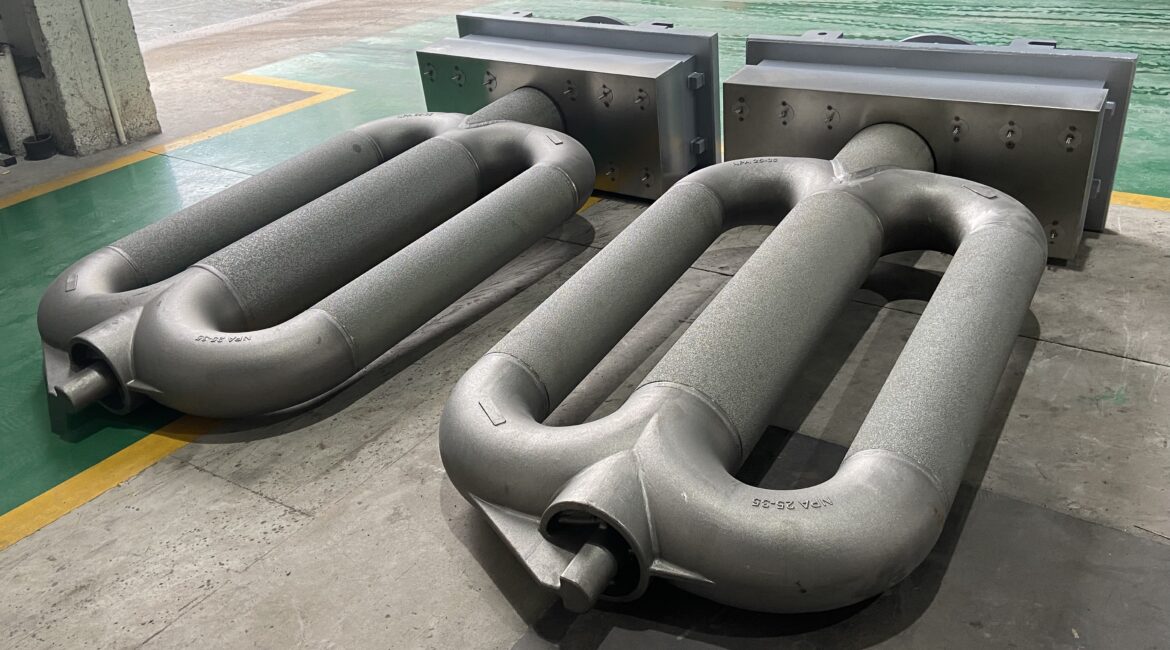
Cost Reduction Strategy for Hot-Dip Galvanizing Production Lines: Choosing the Right W/Double P-Type Radiant Tubes to Reduce Operating and Maintenance Costs from the Source

In the operation of hot-dip galvanizing production lines, the costs of radiant tube maintenance and replacement have remained consistently high. Frequent malfunctions, high energy consumption, and difficulties in adaptation and modification hinder companies from reducing costs and improving efficiency. W-type and double P-type radiant tubes, through dual optimization of structure

Read More

Are there zinc dross or streaks on the surface of the hot-dip galvanized sheet? The problem might be with the operation of the galvanizing bath

The surface quality of hot-dip galvanized steel sheets is a core indicator of their quality, and zinc dross and streaks are the two most common and significant types of defects. These defects not only damage the product’s appearance but also significantly weaken the corrosion resistance and adhesion of the coating.

Read More