
The difference between hot-dip galvanizing and cold galvanizing: Why is hot-dip galvanizing the preferred method in industrial production

Hot-dip galvanizing and cold-dip galvanizing are the two most mainstream processes in the field of industrial metal corrosion protection. They differ fundamentally in process principles, corrosion protection effects, applicable scenarios, and overall costs. Hot-dip galvanizing, due to its superior corrosion resistance, longer service life, and lower long-term overall cost, has become the preferred corrosion protection process in industrial-scale production of steel structures, photovoltaic brackets, tower components, and new energy vehicle parts. The successful implementation of high-quality industrial hot-dip galvanizing processes relies on core equipment such as hot-dip galvanizing furnace rollers, radiant tubes, and three-roll six-arm systems produced by Xuyang Metallurgy. These devices precisely match the high-temperature, high-wear resistance, and high-precision production requirements of industrial hot-dip galvanizing, ensuring stable and efficient operation throughout the process and helping enterprises reduce costs and increase efficiency. The following text will detail the core differences between the two processes, providing practical reference for enterprise process selection and equipment procurement.

The process principles of hot-dip galvanizing and cold galvanizing

The differences in performance and applicable scenarios between the two stem from fundamental differences in their manufacturing principles, which also directly determine the differences in their supporting equipment.

The principle of hot-dip galvanizing process

Hot-dip galvanizing is a core process in heavy-duty industrial corrosion protection. After degreasing, derusting, and fluxing, the workpiece is immersed in molten zinc at 450°C. Through a zinc-iron metallurgical reaction, a dense zinc-iron alloy layer and a pure zinc layer are formed, providing long-lasting corrosion protection. Industrial hot-dip galvanizing requires a continuous production line. Xuyang’s metallurgical furnace rollers, radiant tubes, and three-roll six-arm system work together to ensure the efficient and stable implementation of the hot-dip galvanizing process. These are core equipment components that are not required for the cold-dip galvanizing process.

The principle of cold galvanizing process

Cold galvanizing is a light anti-corrosion process. At room temperature, zinc ions are deposited onto the workpiece surface through electrolysis, forming a thin layer of pure zinc. This provides only basic corrosion protection, as the zinc layer and the workpiece are physically bonded without any metallurgical reaction. The equipment is simple, requiring no high-temperature components such as furnace rollers or radiant tubes. However, it is only suitable for small-scale, intermittent processing of individual pieces, resulting in low efficiency and weak corrosion protection, making it unsuitable for heavy-duty industrial anti-corrosion applications.

The core difference between hot-dip galvanizing and cold galvanizing

Comparison dimensionsHot-dip galvanizing (the preferred method in industry)Cold galvanizing (suitable for light corrosion protection)
Preservation principlesMetallurgical bonding creates a zinc-iron alloy layer plus a pure zinc layer, integrating seamlessly with the workpiece. Long-lasting corrosion protection is achieved through sacrificial anode protection, making it suitable for demanding industrial anti-corrosion applications.Physical deposition results in a pure zinc layer on the surface only, without an alloy layer. The adhesion is weak, providing only basic corrosion protection, and the coating is prone to peeling and rusting.
Zinc coating thicknessIndustrial-grade hot-dip galvanized coatings have a thickness of ≥85μm, with customizable options for increased thickness, ensuring uniform zinc layer coverage.The zinc coating is thin, and due to limitations of the electroplating process, it cannot be thickened. The zinc layer is even thinner at corners and in grooves, resulting in weak corrosion protection.
Zinc coating adhesionIt boasts extremely strong adhesion and does not easily peel or detach after bending, stamping, or welding, making it suitable for the complex processing requirements of industrial workpieces.The adhesion is weak, making it prone to detachment due to external impact or bending. The welded areas are susceptible to exposure and rust, making it unsuitable for industrial-scale processing.
Service lifeWith a service life of 15-30 years in complex outdoor environments, it requires infrequent maintenance and extends the lifespan of the zinc coating.Its lifespan in outdoor environments is only 1-3 years, it is prone to rusting, and requires regular recoating and maintenance, increasing post-production costs in industrial manufacturing.
Applicable environmentSuitable for harsh outdoor environments involving moisture, acids, alkalis, high temperatures, and direct sunlight, offering strong corrosion resistance and versatility.Suitable only for indoor, dry, and non-corrosive environments with light corrosion protection; not suitable for industrial outdoor applications.
Comprehensive costAlthough the initial investment in hot-dip galvanizing production lines and equipment such as furnace rollers and radiant tubes is relatively high, the long-term maintenance costs are very low, resulting in significantly lower overall industrial costs compared to cold galvanizing.The initial equipment investment is low, but the subsequent maintenance and workpiece replacement costs are extremely high, resulting in a doubling of overall costs in industrial-scale production.
Production efficiency and equipmentIt allows for continuous and automated production, utilizing a production line composed of three-roll six-arm mechanisms, furnace rollers, and radiant tubes, resulting in high daily output and suitability for industrial-scale production.This method involves processing individual pieces intermittently, requires no specialized high-temperature equipment, but has extremely low production efficiency and cannot meet the demands of large-scale industrial production.

The core reasons why hot-dip galvanizing is the preferred choice for industrial production

As can be seen from the comparison in the table above, the core reason why hot-dip galvanizing has become the preferred anti-corrosion process in industrial production is that it precisely meets the core needs of industrial-scale production, heavy-duty corrosion protection, and cost reduction and efficiency improvement. Furthermore, when combined with Xuyang Metallurgy’s professional hot-dip galvanizing equipment, this process advantage can be maximized.

Suitable for demanding industrial anti-corrosion applications and capable of withstanding complex and harsh environments

Industrial components such as steel structures and photovoltaic brackets are often exposed to harsh outdoor environments. Hot-dip galvanizing with a thick zinc layer and alloy layer forms a robust barrier, and even minor scratches can be protected through sacrificial anode protection of the base material. In contrast, the thin zinc layer of cold-galvanized coatings, once damaged, leads to rapid corrosion of the workpiece, making it unsuitable for industrial outdoor applications.

Lower long-term overall costs, suitable for large-scale production needs

Industrial production prioritizes long-term benefits. Cold galvanizing has a short outdoor lifespan and high maintenance costs; while hot-dip galvanizing requires investment in production lines, furnace rollers, and radiant tubes, it offers a longer lifespan and is virtually maintenance-free. Its long-term overall cost is significantly lower than cold galvanizing, making it suitable for the cost control requirements of large-scale industrial production.

Higher production efficiency, matching the rhythm of continuous industrial operations

Industrial-scale production requires efficient and continuous operation. Xuyang Metallurgy’s customized production line achieves full automation through furnace roller conveying, radiant temperature control, and three-roller six-arm angle adjustment, resulting in high output. Cold galvanizing, on the other hand, is a manual, intermittent process with extremely low efficiency, unable to meet mass production demands.

More stable quality, suitable for the complex workpiece requirements of industrial applications

Industrial workpieces often have complex shapes. The hot-dip galvanizing process allows the molten zinc to penetrate all edges, corners, and grooves, forming a uniform zinc layer without any blind spots. In contrast, cold galvanizing is affected by the electric field, resulting in thinner and more easily corroded zinc layers in complex areas. Xuyang Metallurgy’s supporting equipment can further ensure the uniformity of the zinc layer and improve workpiece quality.

Industrial applications of hot-dip galvanizing and cold galvanizing

After understanding the core differences between hot-dip galvanizing and cold galvanizing, it is necessary to accurately match the process to the workpiece’s operating environment and production scale. This will prevent increased costs due to incorrect process selection and allow for better planning of supporting equipment. The following is a precise distinction of the industrial application scenarios for both processes.

Applicable scenarios for the hot-dip galvanizing process

It is primarily adapted for heavy-duty anti-corrosion and large-scale industrial applications, requiring supporting professional equipment such as furnace rollers, radiant tubes, and three-roll six-arm systems. It covers four main categories: large steel structures, new energy equipment, municipal engineering, and general industrial applications, encompassing various outdoor industrial components such as factory buildings, bridges, photovoltaic brackets, road guardrails, and oil and gas pipelines.

Applicable scenarios for the cold galvanizing process

This process does not require professional hot-dip galvanizing equipment and is only suitable for light corrosion protection and small-batch applications, including indoor light corrosion-resistant workpieces, single custom-made workpieces, and temporary use workpieces. Applications include office furniture hardware, small non-standard parts, and temporary construction supports, but it is not suitable for heavy-duty outdoor corrosion protection.

The core support for high-quality hot-dip galvanizing technology – professional equipment

It’s worth noting that the full advantages of the hot-dip galvanizing process depend heavily on the strong support of specialized equipment. The high-temperature, high-wear operating environment of industrial continuous hot-dip galvanizing places stringent demands on core equipment such as furnace rollers, radiant tubes, and three-roll six-arm systems. Xuyang Metallurgy’s customized equipment precisely meets these requirements, making it a preferred choice for industrial enterprises.

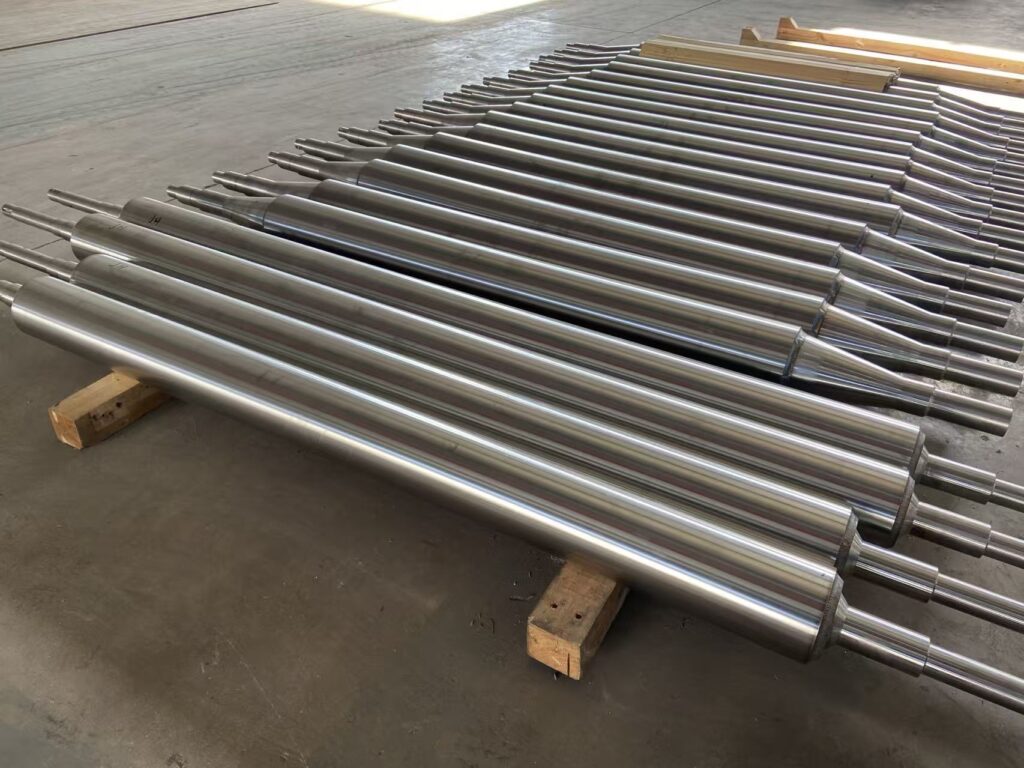
Hot-dip galvanizing furnace rollers

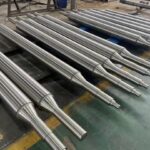
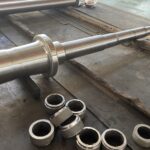
As a core conveying equipment in hot-dip galvanizing production lines, Xuyang Metallurgy’s hot-dip galvanizing furnace rollers are made of high-quality heat-resistant steel with special surface treatment, offering high temperature resistance, wear resistance, and anti-zinc adhesion. They can operate stably for extended periods, ensuring continuous workpiece transport and preventing production line downtime, thus helping to improve production efficiency.

Furnace rollers

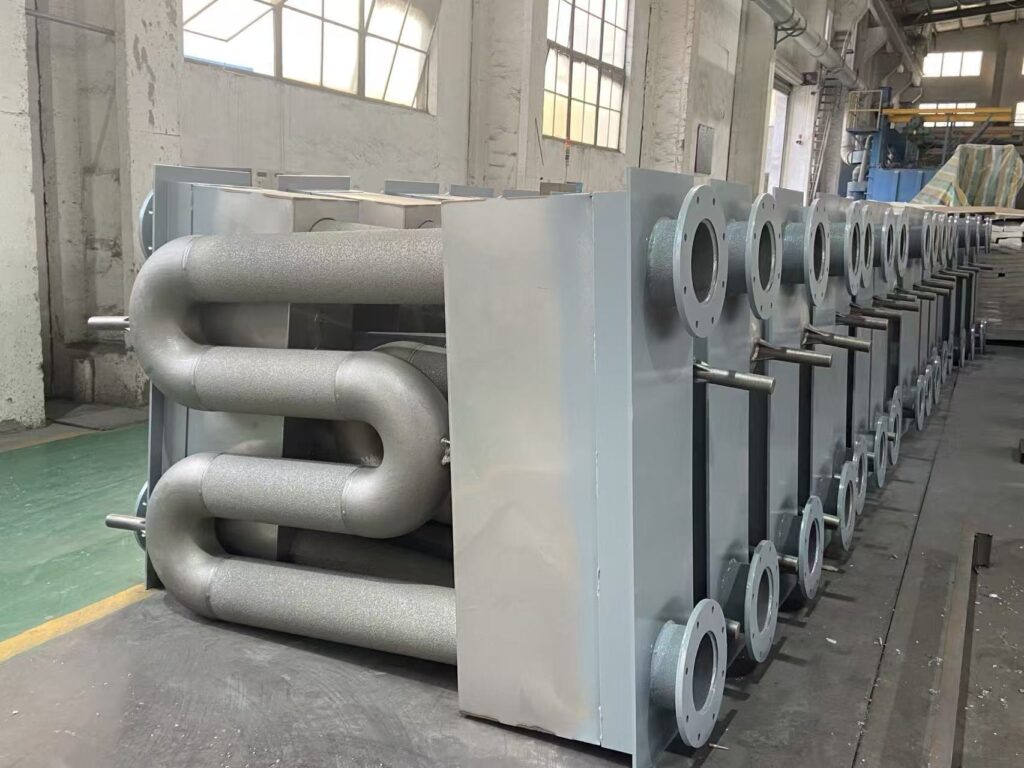
Hot-dip galvanized radiant tube

As a core component of the heating system, Xuyang Metallurgy’s hot-dip galvanizing radiant tubes offer efficient heating and low energy consumption, allowing for precise control of the zinc bath temperature. This prevents problems such as uneven zinc coating and peeling, while also reducing energy costs and ensuring the stability of the hot-dip galvanizing process.

Radiant tubes

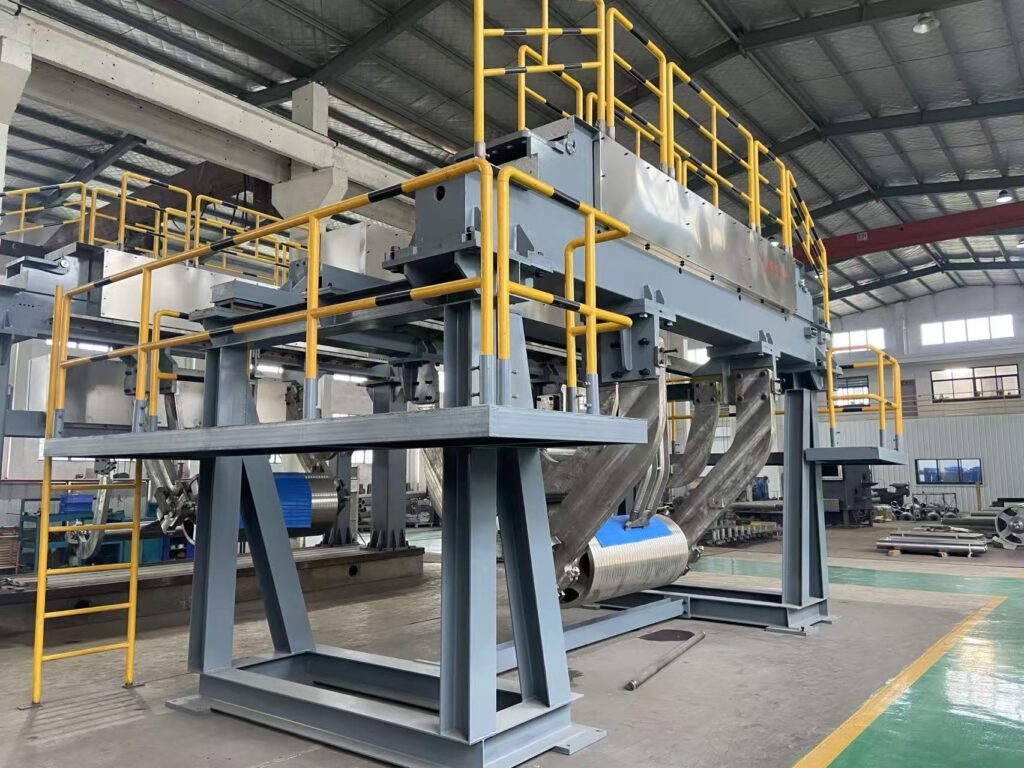
Three rollers, six arms

Responsible for precise adjustment of workpiece galvanizing, Xuyang Metallurgy’s three-roll six-arm system utilizes a high-precision transmission structure, offering flexible adjustment and precise positioning. It can adjust the galvanizing depth and angle according to workpiece specifications, ensuring a uniform zinc coating without accumulation or bare spots, thus improving the corrosion resistance of industrial workpieces.

Three rollers six arms

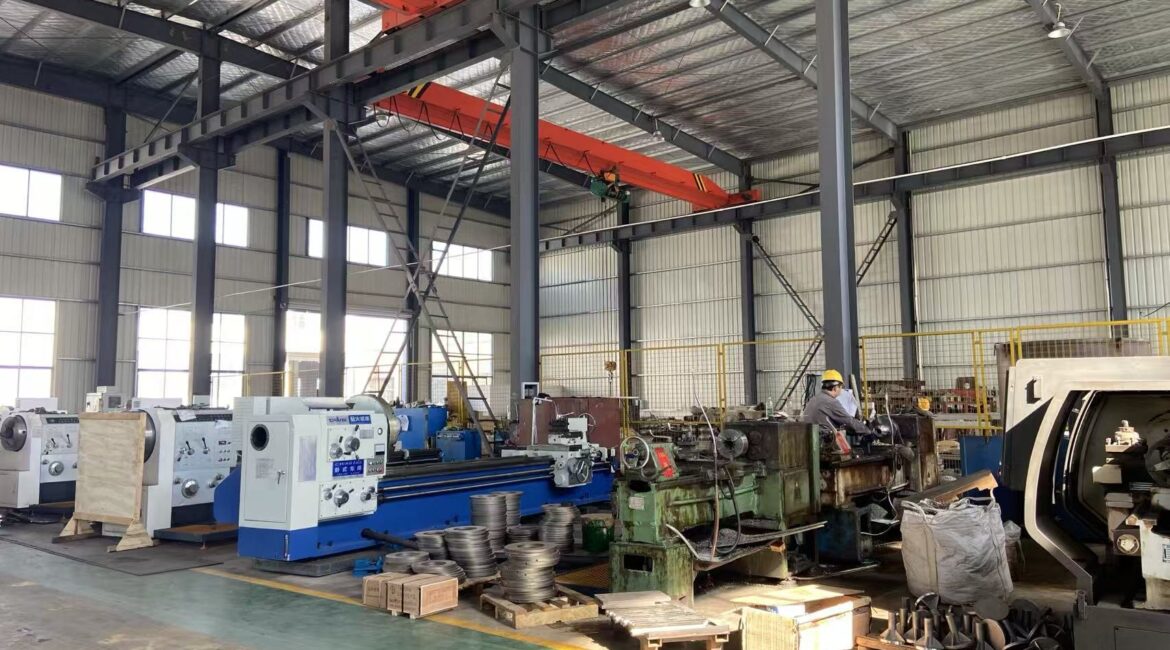
Xuyang Metallurgy has been deeply involved in the hot-dip galvanizing equipment field for many years. Based on the specific needs of different industrial scenarios such as steel structures and photovoltaic brackets, we can provide customized furnace rollers, radiant tubes, three-roll six-arm systems, and complete equipment solutions. We offer full-process services from design and production to installation, commissioning, and after-sales maintenance, helping enterprises truly achieve improved quality and efficiency.

In summary, the core differences between hot-dip galvanizing and cold galvanizing lie in their process principles, corrosion resistance, production efficiency, and overall cost. Industrial production favors hot-dip galvanizing primarily because it aligns with the core requirements of large-scale production and superior corrosion protection. Xuyang Metallurgy’s supporting equipment is crucial in realizing these advantages of the hot-dip galvanizing process.

Industrial enterprises can extend workpiece lifespan and reduce long-term costs by choosing hot-dip galvanizing combined with professional equipment. For planning a hot-dip galvanizing production line, or for customized furnace rollers, radiant tubes, or three-roll six-arm systems, please contact Xuyang Metallurgy for a customized solution.

留下你的评论