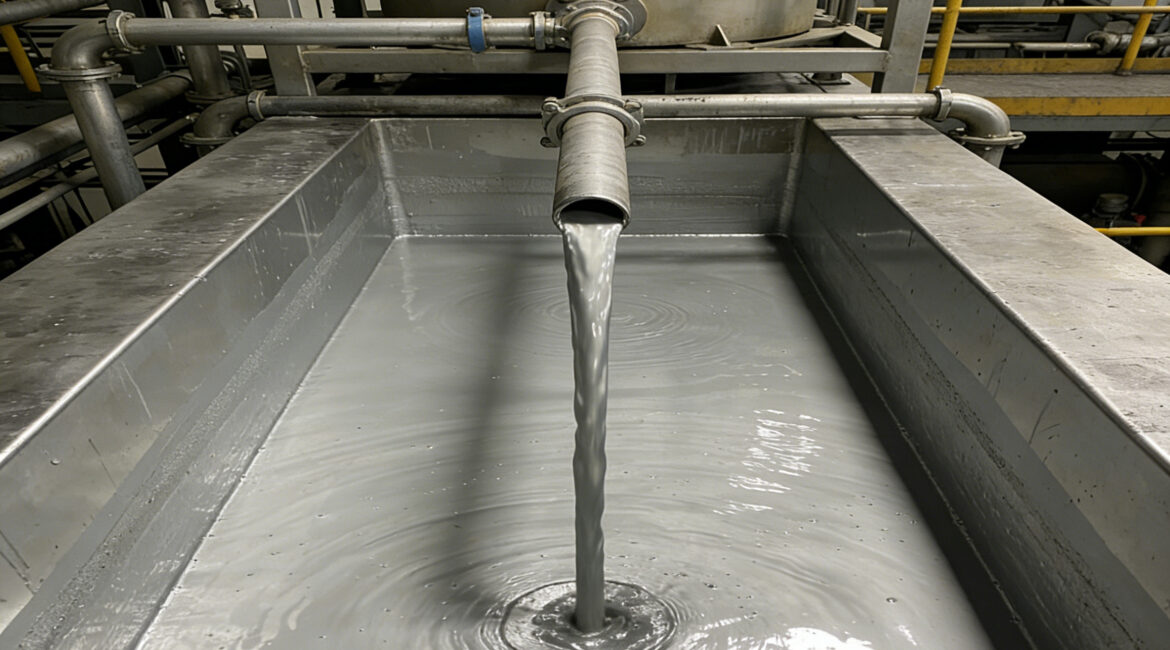

热镀锌与冷镀锌的区别 工业生产为何首选热镀锌

Hot-dip galvanizing and cold-dip galvanizing are the two most mainstream processes in the field of industrial metal corrosion protection. They differ fundamentally in process principles, corrosion protection effects, applicable scenarios, and overall costs. Hot-dip galvanizing, due to its superior corrosion resistance, longer service life, and lower long-term overall cost, has

Read More

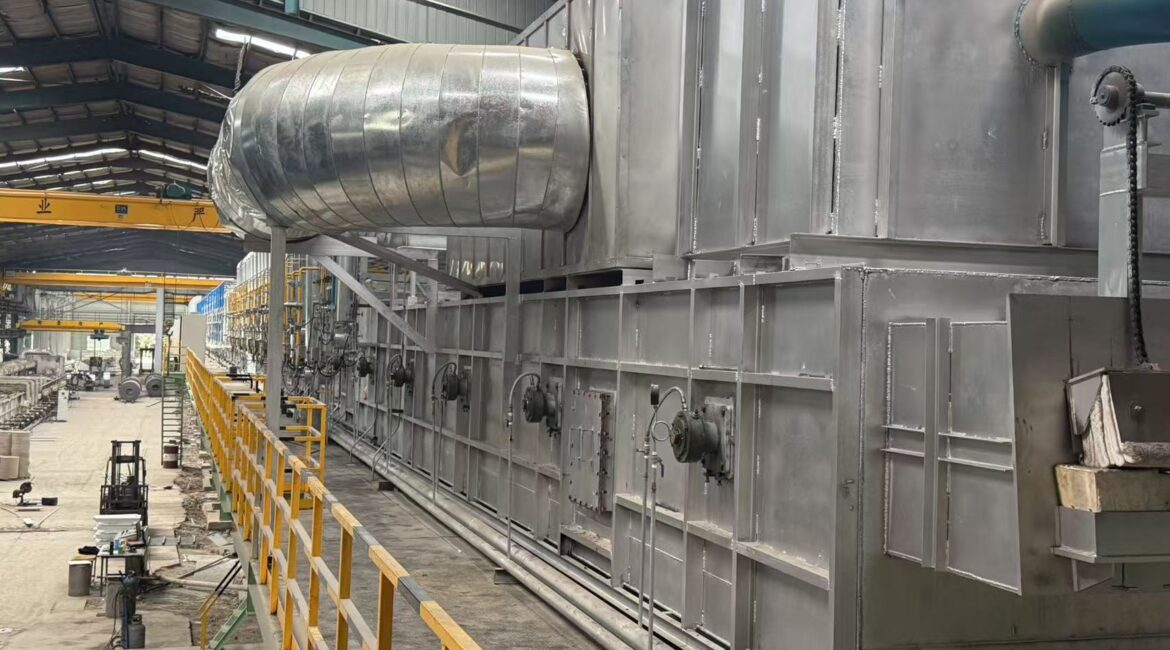
热镀锌核心工艺拆解:退火、镀锌、冷却全流程技术要点

Hot-dip galvanizing is a core process for steel strip corrosion protection and is widely used in many fields. The three main stages—annealing, galvanizing, and cooling—are interconnected, each playing a crucial role in “laying the foundation, determining quality, and ensuring shaping.” Currently, many factories experience frequent problems such as steel strip

Read More

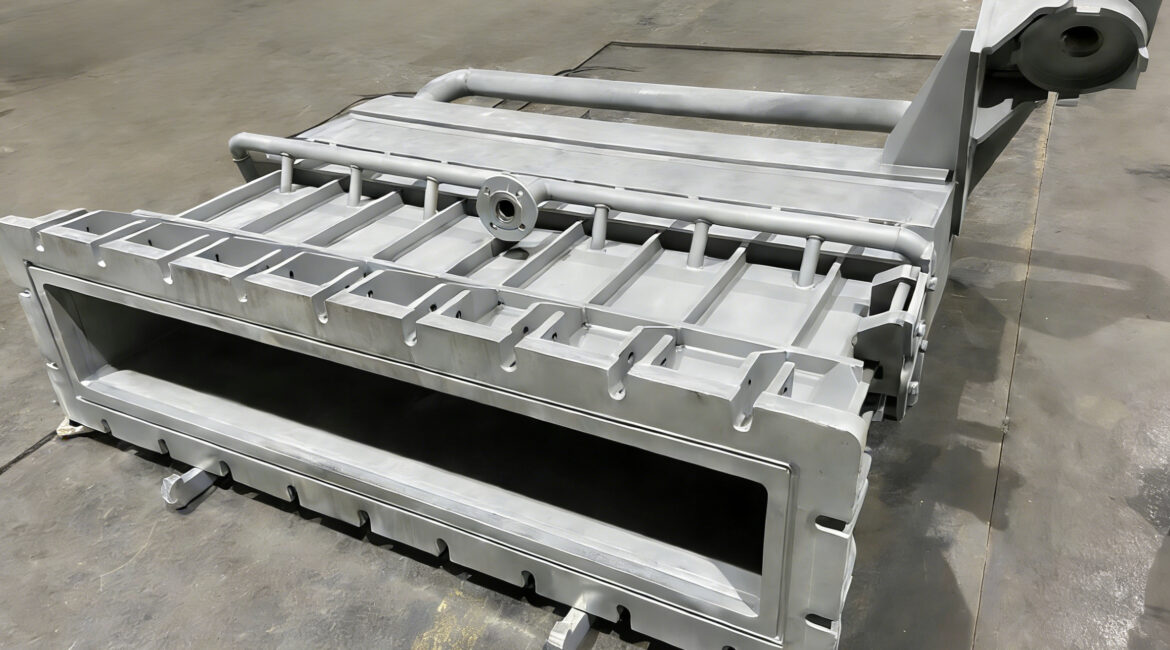
炉鼻子锌渣清理与密封优化:杜绝锌粒缺陷、提升带钢表面质量的实操指南

In hot-dip galvanizing production lines, the furnace nose is a core component connecting the annealing furnace and the zinc pot, and its operating condition directly determines the surface quality of the steel strip. Zinc dross accumulation and sealing performance failure in the furnace nose are common problems in the industry,

Read More

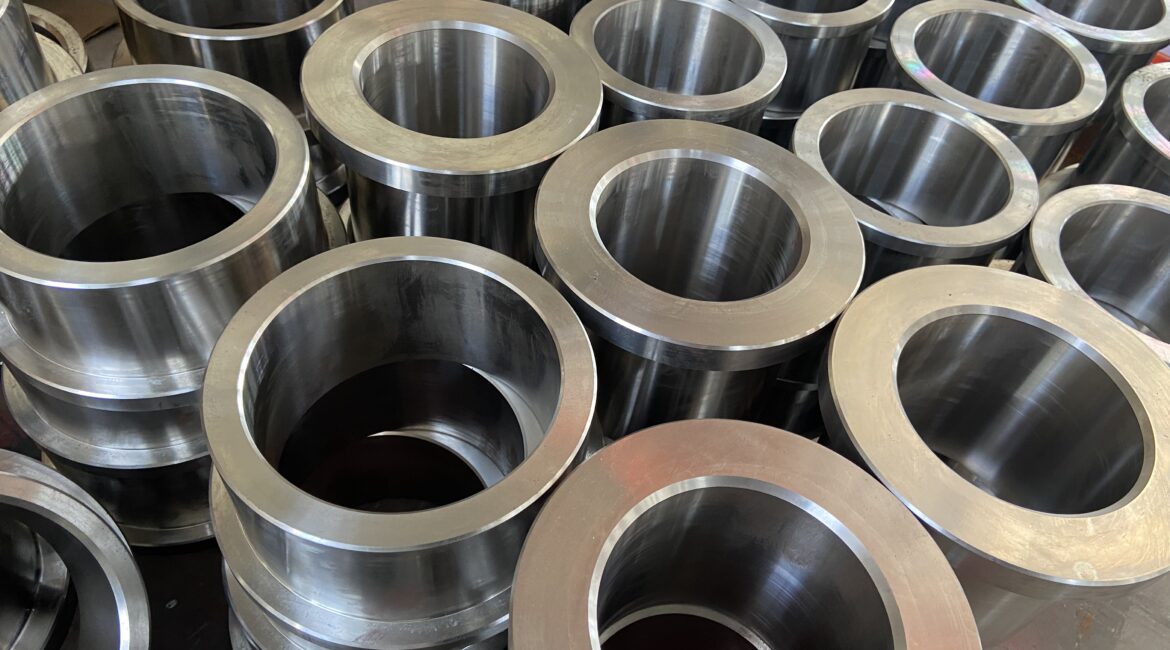
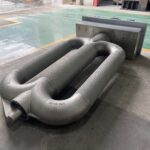
热镀锌产线降本攻略:选对W/双P型辐射管,从根源降低运维成本

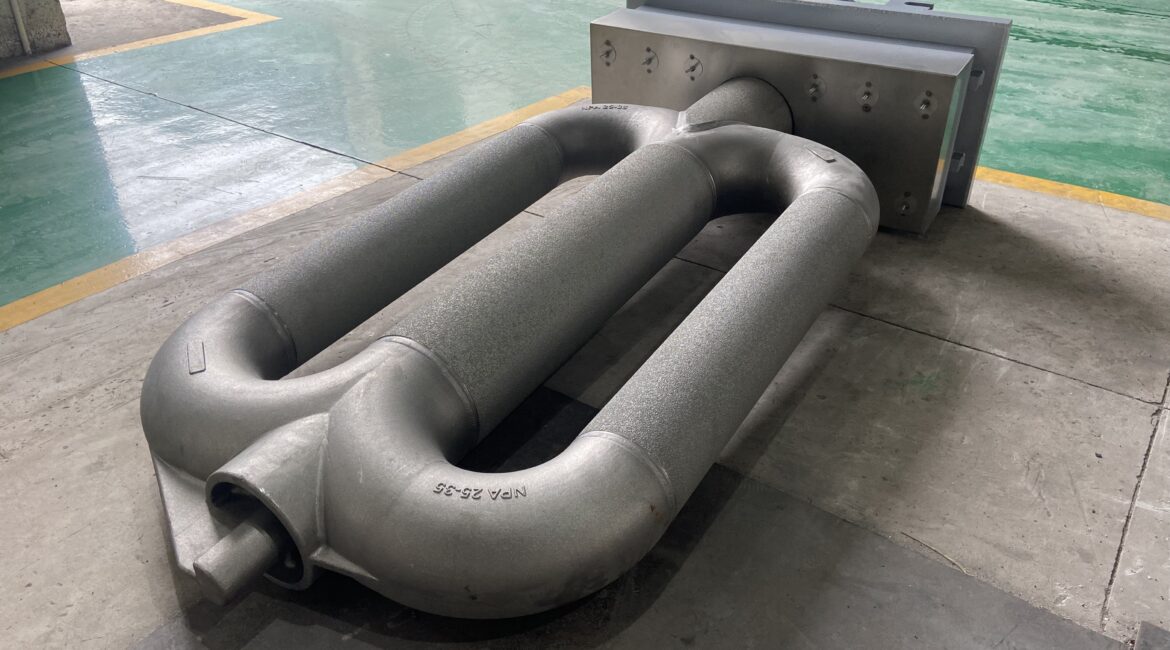
In the operation of hot-dip galvanizing production lines, the costs of radiant tube maintenance and replacement have remained consistently high. Frequent malfunctions, high energy consumption, and difficulties in adaptation and modification hinder companies from reducing costs and improving efficiency. W-type and double P-type radiant tubes, through dual optimization of structure

Read More

2520耐热钢:为什么它是W型辐射管长寿命与高性能的不二之选

In the manufacturing of W-shaped radiant tubes—a core component of high-temperature industrial furnaces—the choice of material directly determines their lifespan, energy efficiency, and reliability. This article will provide an in-depth analysis of why 2520 heat-resistant steel (310S) has become the industry standard material for handling demanding operating conditions, due to

Read More