
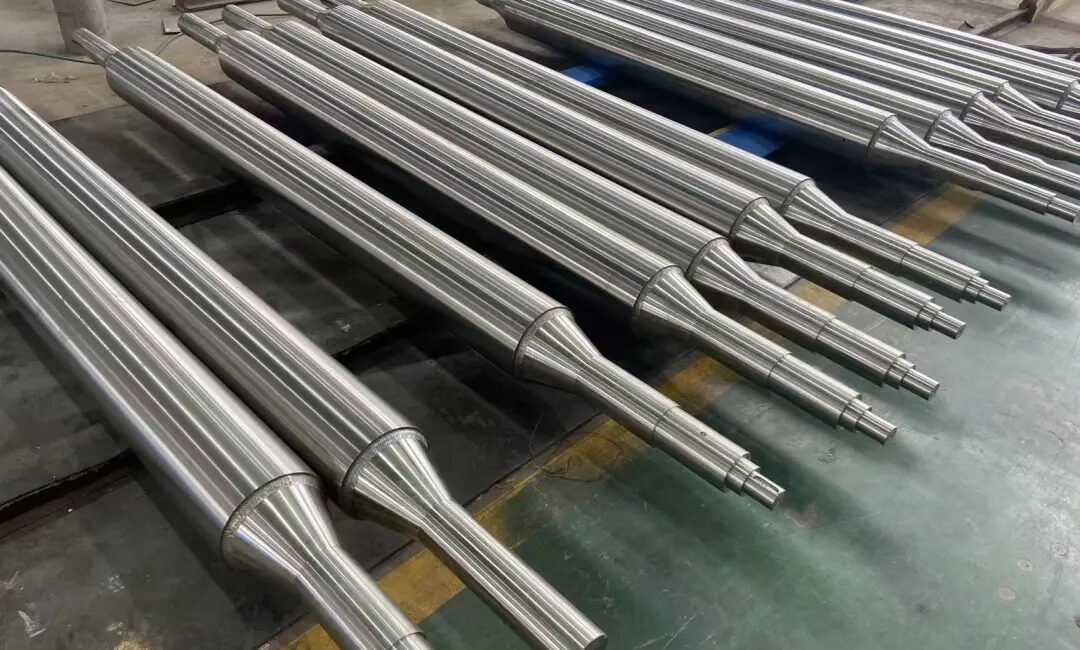
在热处理炉、加热炉、辊底炉生产线中,炉底辊、悬臂辊是最核心的输送承载部件。很多工厂运维、采购、工艺人员经常混淆两者,导致选型错误、辊体变形、频繁停机、维护成本飙升。
今天用最直白的干货,讲清两种炉辊的区别、适用场景、优缺点和选型逻辑。
一、一句话分清两者定位
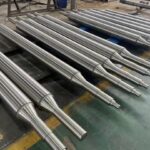
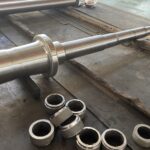
普通炉底辊:炉内全程主力辊,铺满炉膛,负责工件在炉内全程加热、输送、保温全过程,主打稳定、重载、连续生产。
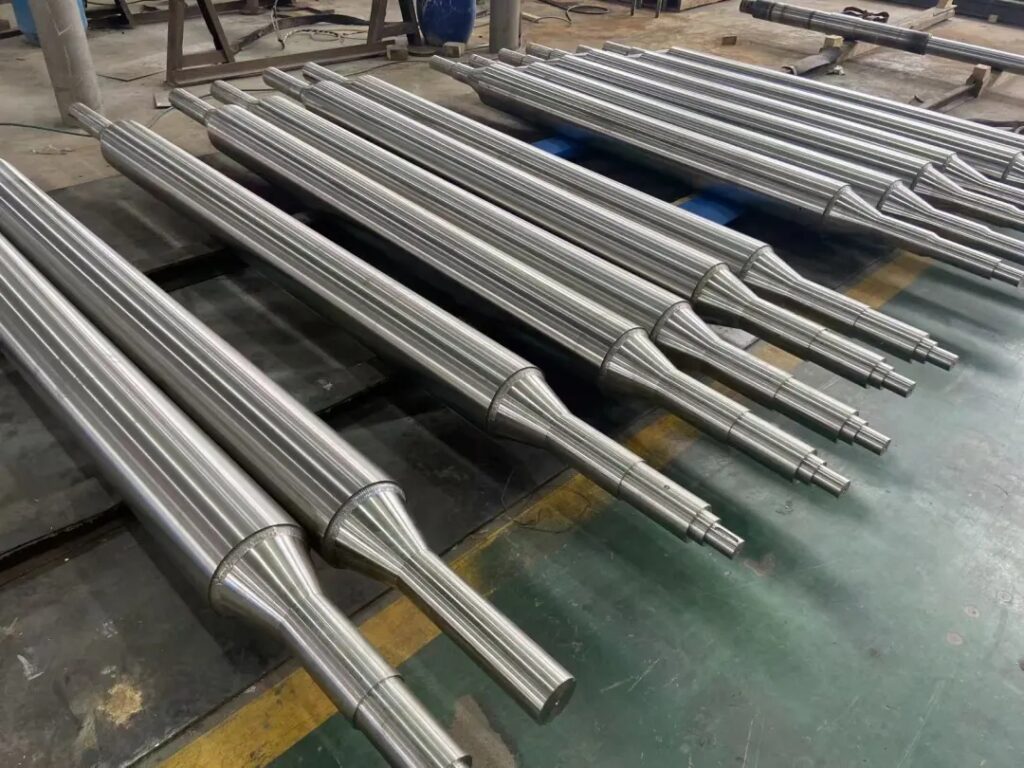
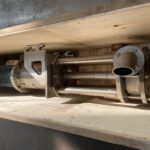
悬臂辊:炉口专用进出料辊,只装在炉子进出口,一端悬空、一端固定,负责短距离快速装出料,主打灵活、不干涉、好更换。
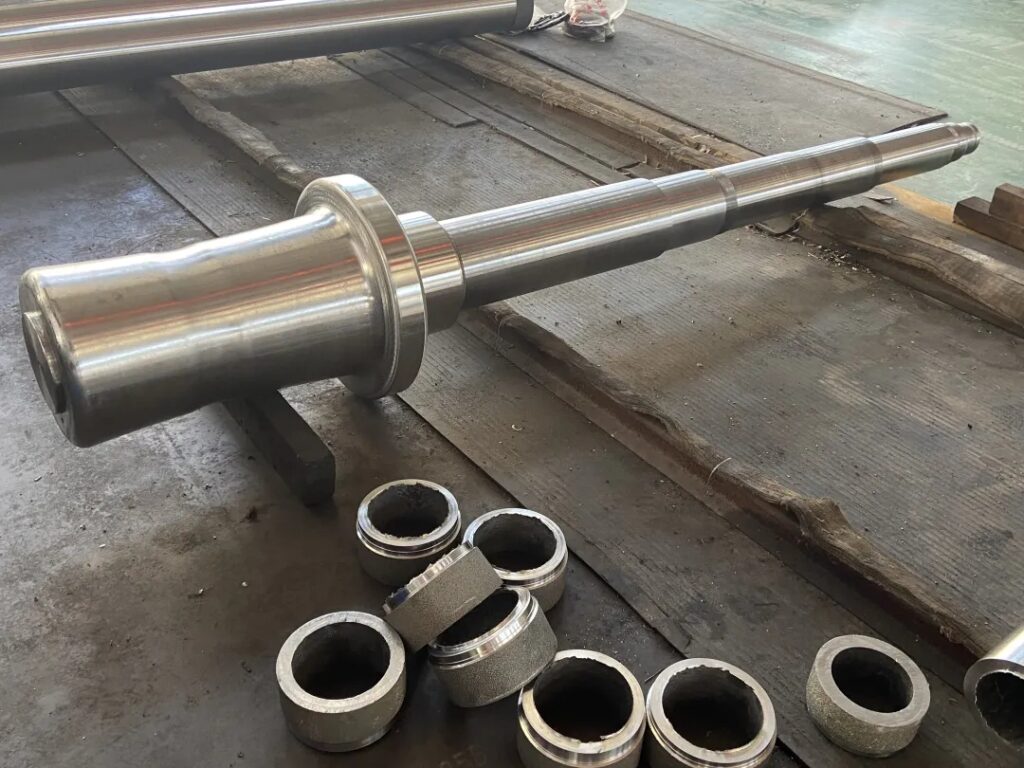
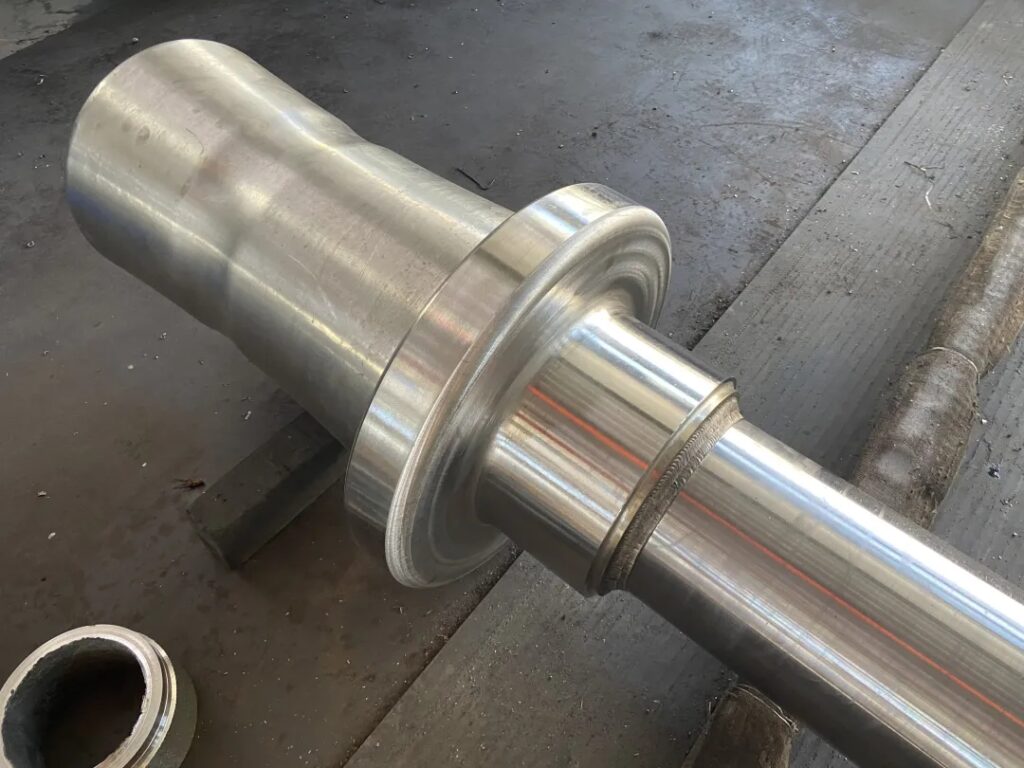
二、核心结构区别
普通炉底辊:两端支撑,稳
辊体两端双支撑,固定在炉墙两侧,受力均匀、刚性强、不易弯曲变形。多采用实心/水冷耐热辊体,整排密布,适合长距离、长时间带料运行,输送平稳、工件不易跑偏。
悬臂辊:单边悬空,灵 单端固定、一端悬空,炉内无支撑结构。最大优势:不挡料、不磕料,完美避开长钢坯、大板进出炉干涉问题。普遍采用空心水冷结构,抵御炉口强热辐射。
三、工况与优缺点对比
Standard Furnace Hearth Roll
Applications: Continuous transport throughout the furnace process in roller-hearth annealing furnaces, quenching furnaces, carburizing furnaces, etc.
Advantages: High load-bearing capacity, stable operation, low vibration, high-temperature and creep resistance, long service life; suitable for 24-hour continuous mass production.
Disadvantages: Densely arranged, making installation, removal, and maintenance cumbersome, and replacement time-consuming.
Cantilevered Rollers
Applications: Loading and unloading stations at the entry and exit of heating or hot-rolling furnaces; short-distance conveying involving frequent start-stop cycles.
Advantages: No structural interference; smooth material handling; simple installation and removal; replaceable from outside the furnace; minimal downtime.
Disadvantages: The cantilevered structure has relatively low rigidity and is prone to slight deformation under long-term heavy loads; places higher demands on water cooling and material quality.
IV. Materials and Craftsmanship
Furnace hearth rolls: Typically made of heat-resistant alloys such as 2520 and HK40 using centrifugal casting, these rolls feature a dense microstructure and offer excellent resistance to high-temperature oxidation and deformation, making them suitable for long-term, steady-state high-temperature furnace operations.
Cantilever rolls: Typically made from the high-grade heat-resistant material ZG40Cr28Ni48W5 and featuring a forced water-cooling structure, they are specifically designed to withstand harsh operating conditions characterized by intense thermal radiation at the furnace opening and frequent thermal cycling.
Hearth rolls ensure stable movement within the furnace, while cantilever rolls facilitate rapid entry and exit at the furnace opening.
Neither option is inherently superior; it is simply a matter of suitability. Hearth rolls are the choice for stable transport within the furnace, while cantilever rolls are preferred for preventing interference at the furnace opening and facilitating maintenance. A well-balanced combination ensures high heat-treatment quality while significantly reducing O&M costs and losses associated with downtime.