
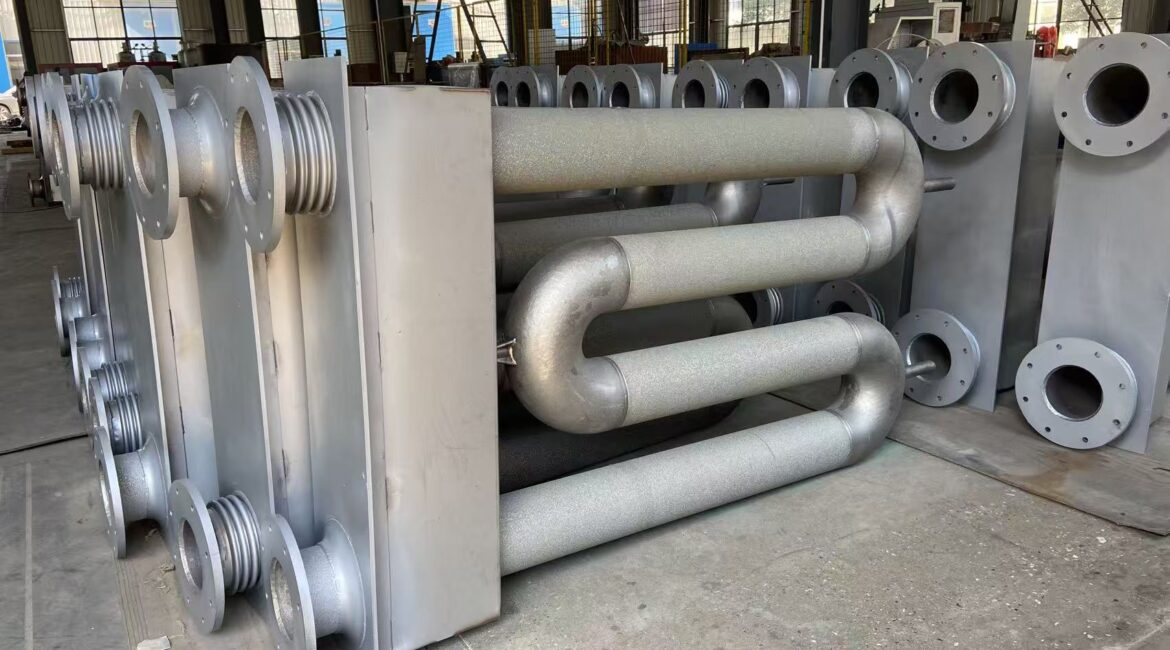
In the manufacturing of W-shaped radiant tubes—a core component of high-temperature industrial furnaces—the choice of material directly determines their lifespan, energy efficiency, and reliability. This article will provide an in-depth analysis of why 2520 heat-resistant steel (310S) has become the industry standard material for handling demanding operating conditions, due to its unparalleled high-temperature oxidation resistance, excellent carburization resistance, and outstanding creep strength. It will also guide you on how to identify genuine materials and make informed purchasing decisions.
What kind of hellish environment do W-shaped radiant tubes face
Before discussing the materials, we must understand the working environment of the W-type radiant tube. Its failure is by no means accidental, and is usually caused by the following three major factors:
- Sustained extreme high temperatures: The normal operating temperature range is 900°C – 1100°C. At these temperatures, the strength of ordinary metal materials decreases sharply, leading to creep deformation.
- Complex corrosive atmosphere: The furnace environment is not a pure environment and may be filled with oxidizing air, carburizing gases (such as CO, CH₄), or even sulfur-containing atmospheres, leading to oxidation, embrittlement (carburization), or corrosive perforation of the tubing.
- Alternating thermal stress fatigue: The complex W-shaped structure experiences cyclic thermal stress due to uneven thermal expansion and contraction during furnace start-up, shutdown, and temperature fluctuations, which can easily lead to fatigue cracks.
Therefore, selecting a material that can withstand high temperatures, corrosion, and fatigue simultaneously is crucial to the success of the W-shaped radiant tube design.
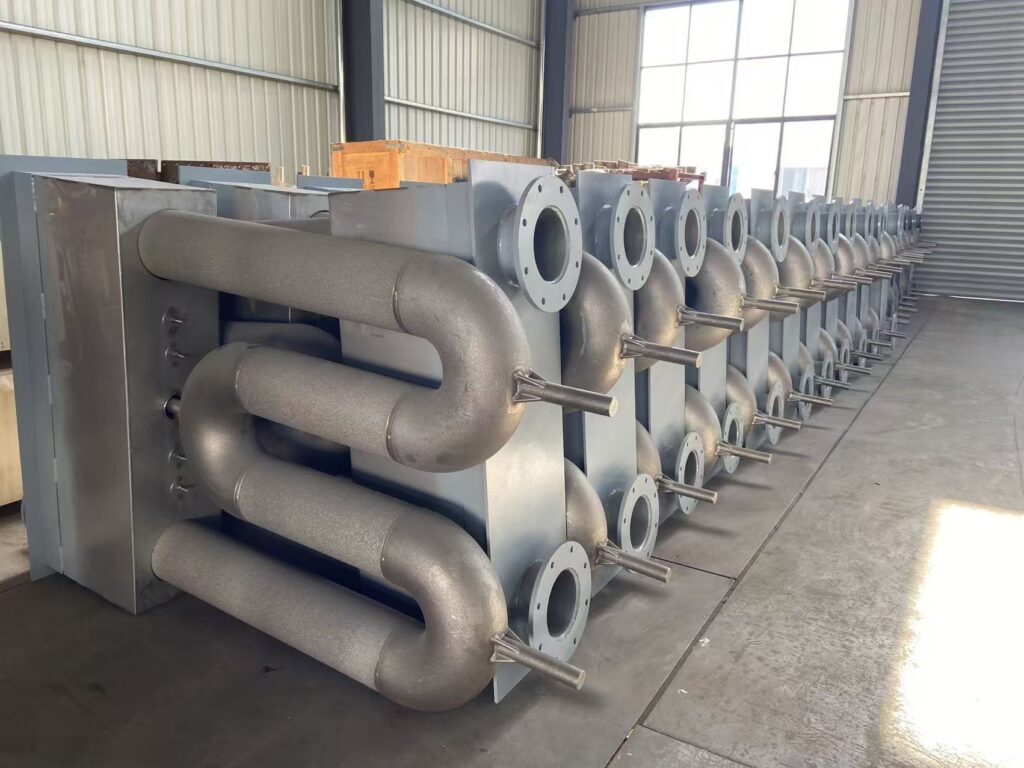
Chemical composition and key advantages of 2520 heat-resistant steel (310S)
“2520” is a Chinese designation, corresponding to the internationally recognized AISI 310S, which is a high-chromium, high-nickel austenitic heat-resistant stainless steel. Its superior performance stems from its scientifically designed elemental composition:
- High chromium content (Cr ≈ 25%): The cornerstone of oxidation resistance. Chromium preferentially forms an extremely dense and robust Cr₂O₃ oxide film at high temperatures. This film is self-healing and effectively isolates oxygen and corrosive media, which is fundamental to ensuring the long-term high-temperature oxidation resistance of W-type radiant tubes. The 25% chromium content ensures that the protective film remains stable and does not deplete even under prolonged high temperatures.
- High nickel content (Ni ≈ 20%): Provides a “double guarantee” of high-temperature strength and resistance to carburization.
Stabilizing element: Nickel stabilizes the austenitic phase, allowing the steel to maintain excellent toughness and creep resistance at high temperatures, preventing the W-shaped tube from collapsing or deforming at high temperatures.
Resistance to carburization: The high nickel content significantly reduces the activity and diffusion rate of carbon in steel, fundamentally preventing embrittlement, swelling, and cracking caused by carburizing atmospheres. This is why it is irreplaceable in controlled atmosphere furnaces.
- Low carbon (C ≤ 0.08%): A strategic “burden-reducing” design. Low carbon content prevents chromium from combining with carbon to form chromium carbide, thus avoiding “chromium-depleted zones” and preventing intergranular corrosion. This ensures balanced and long-lasting overall corrosion resistance.
How can 2520 heat-resistant steel fully meet the requirements of W-type radiant tubes
We matched the properties of 2520 steel with the challenges posed by W-shaped radiant tubes:
| Performance challenges | Solutions for 2520 heat-resistant steel | The direct benefits brought about |
| High-temperature oxidation | The dense Cr₂O₃ oxide film maintains a level 5 (completely oxidation-resistant) rating even at 1150°C | Significantly extended service life, extremely slow rate of pipe wall thinning, and long-term stable heat transfer efficiency |
| Atmospheric corrosion (carburization) | High-nickel austenitic structures have low carbon solubility and exhibit far superior resistance to carburization compared to ordinary heat-resistant steels | It exhibits stable performance in carburizing furnaces and controlled atmosphere furnaces, preventing unplanned shutdowns caused by embrittlement and cracking. |
| High-temperature deformation and creep | Austenitic structures provide excellent high-temperature strength and creep resistance | Ensure that the W-shaped structure remains undeformed and does not sag under prolonged high temperatures, maintaining optimal thermal radiation efficiency and airflow channels |
| Thermal fatigue stress | It possesses excellent high-temperature plasticity and toughness, enabling it to absorb and mitigate alternating thermal stresses | Significantly reduces the risk of fatigue cracks at W-shaped bends, improving structural reliability |
How to ensure you buy genuine, high-quality 2520 heat-resistant steel W-shaped radiant tubes
① First step: Request material certification
- It is essential to require suppliers to provide authoritative material quality certificates (MTCs).
- Key verification points: The chromium (Cr) content in the chemical composition must be ≥24.0%, and the nickel (Ni) content must be ≥19.0%. This is the minimum requirement for 310S/2520 to be considered acceptable. Be wary of products that use low-nickel, high-chromium materials (such as “modified 2520”) to deceive buyers.
② Core focus of evaluation: Manufacturing and processing techniques
- Welding process: Inquire whether high-quality welding methods such as automatic TIG welding are used, and whether the welds undergo 100% penetration or radiographic testing to ensure that the welds have the same lifespan as the base material at high temperatures.
- Heat treatment process: Has the formed W-shaped tube undergone overall solution treatment? This process eliminates stress and homogenizes the microstructure, and is a necessary step to unleash the material’s potential.
③ Rational decision-making: balancing costs and overall benefits
- Do not compare only the initial purchase price. Calculate the total cost of ownership: the true lifespan of 2520 heat-resistant steel pipes can be 2-3 times longer than that of inferior pipes, resulting in less downtime, more stable process quality, and lower replacement frequency. In the long run, the cost-effectiveness far surpasses that of cheaper alternatives.
Choose a reliable guardian for your thermal system
Choosing W-shaped radiant tubes essentially means choosing long-term reliability and cost-effectiveness for your industrial furnace. 2520 heat-resistant steel (310S), with its globally proven superior performance, provides a gold standard solution for W-shaped radiant tubes in every aspect of high-temperature resistance, corrosion resistance, and fatigue resistance.
Are you looking for a high-performance, long-lasting W-shaped radiant tube solution for your industrial furnace? Our team of experts uses genuine 2520 (310S) heat-resistant steel combined with advanced manufacturing processes to provide you with customized designs. [Click to contact us for free technical consultation and a quote], and let us protect your thermal core with reliable materials and processes.