
Though Small, Furnace Rolls Hold the Lifeline of the Entire Line—Xuyang Guides You Through PT Flaw Detection

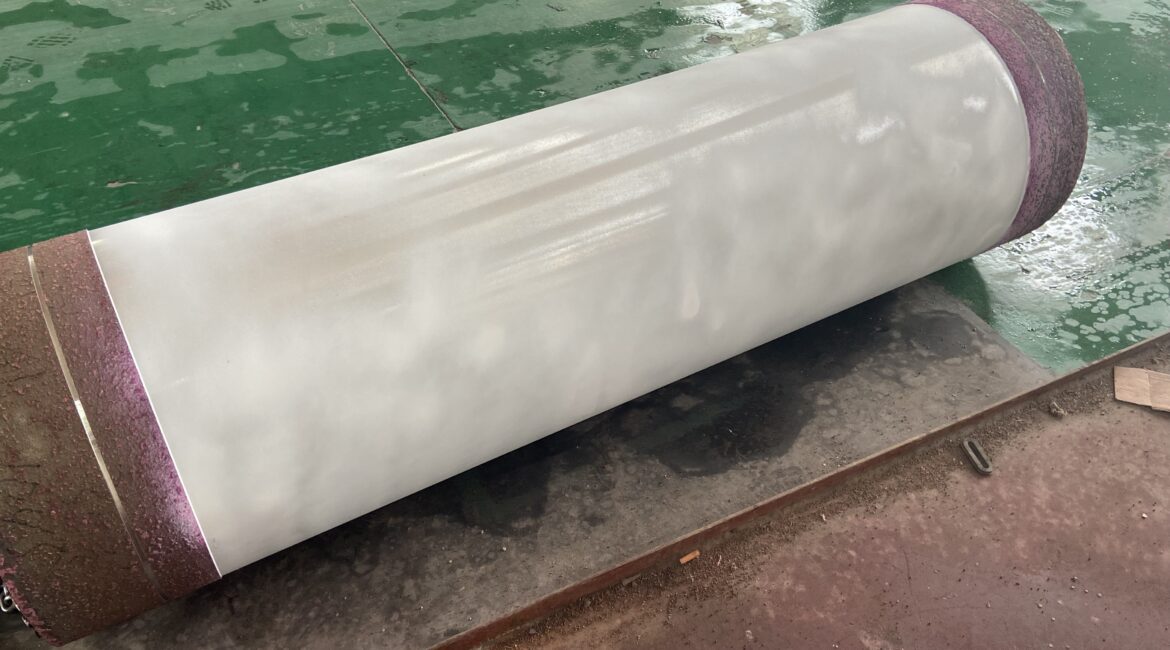
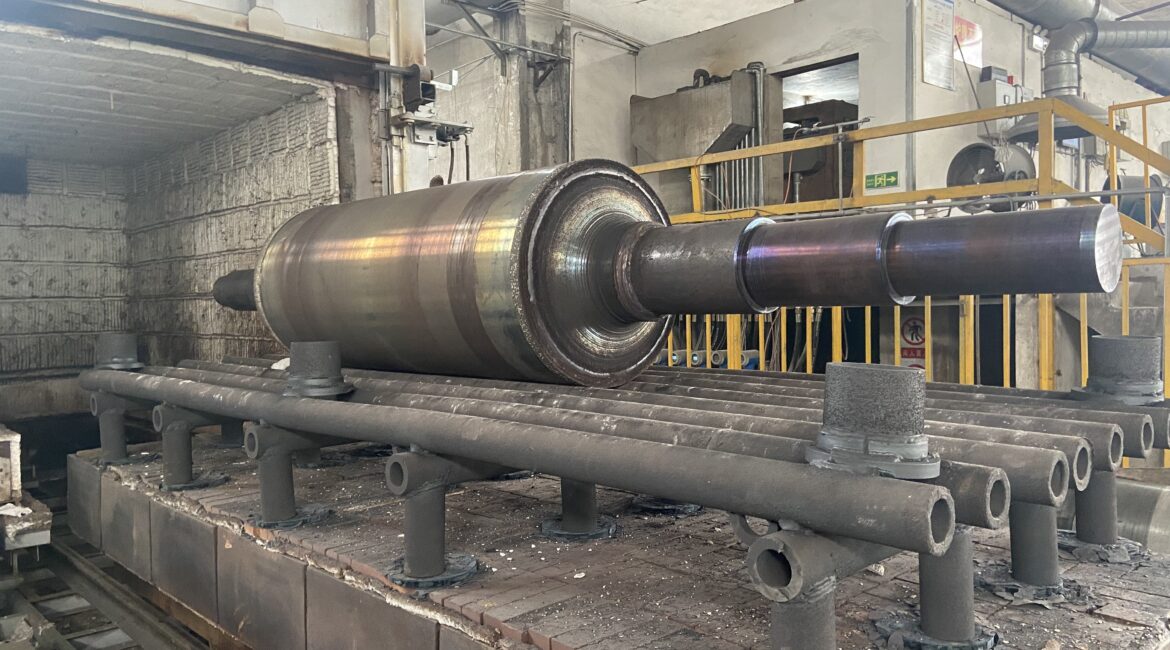
On a continuous hot-dip galvanizing line, there is a piece of equipment that may appear inconspicuous, yet it directly impacts the operational efficiency of the entire line as well as the quality of the galvanized sheet—the furnace roll. What are furnace rollers used for? Simply put, furnace rollers are rollers

Read More

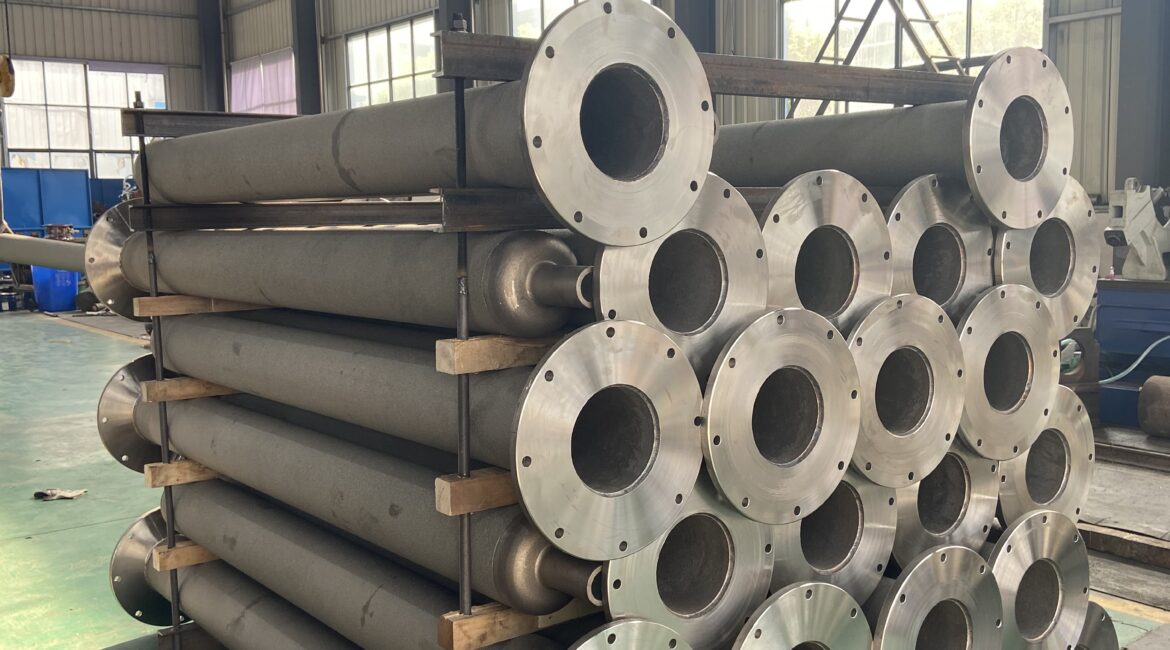
How to Assess the Manufacturing Quality of Type I Radiant Tubes? From Casting, Welding, and Nondestructive Testing to Pressure Testing

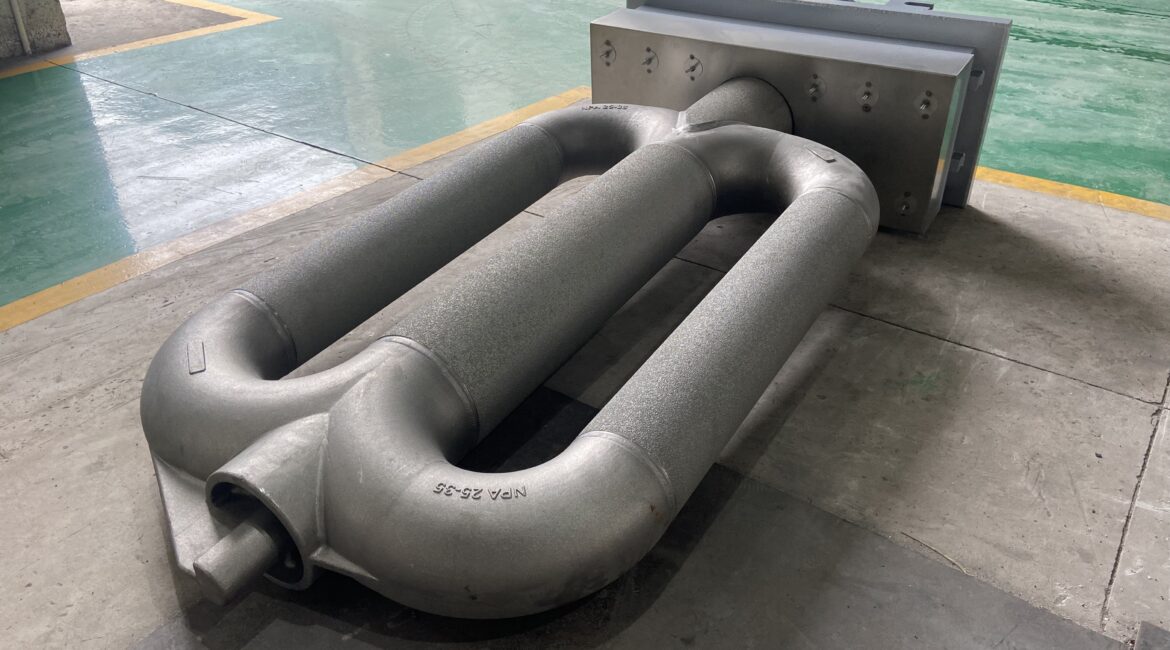
Type I radiant tubes are common heating elements found in continuous heat treatment furnaces, galvanizing lines, and annealing lines. For tubes of identical specifications, market prices can vary by more than twofold—a disparity rooted in subtle, underlying differences in manufacturing quality. While their external appearance may be nearly indistinguishable, their

Read More

Dual-Pump vs. Single-Pump Zinc Pumping: Why Are Modern Hot-Dip Galvanizing Lines Abandoning the “Single-Track” Design?

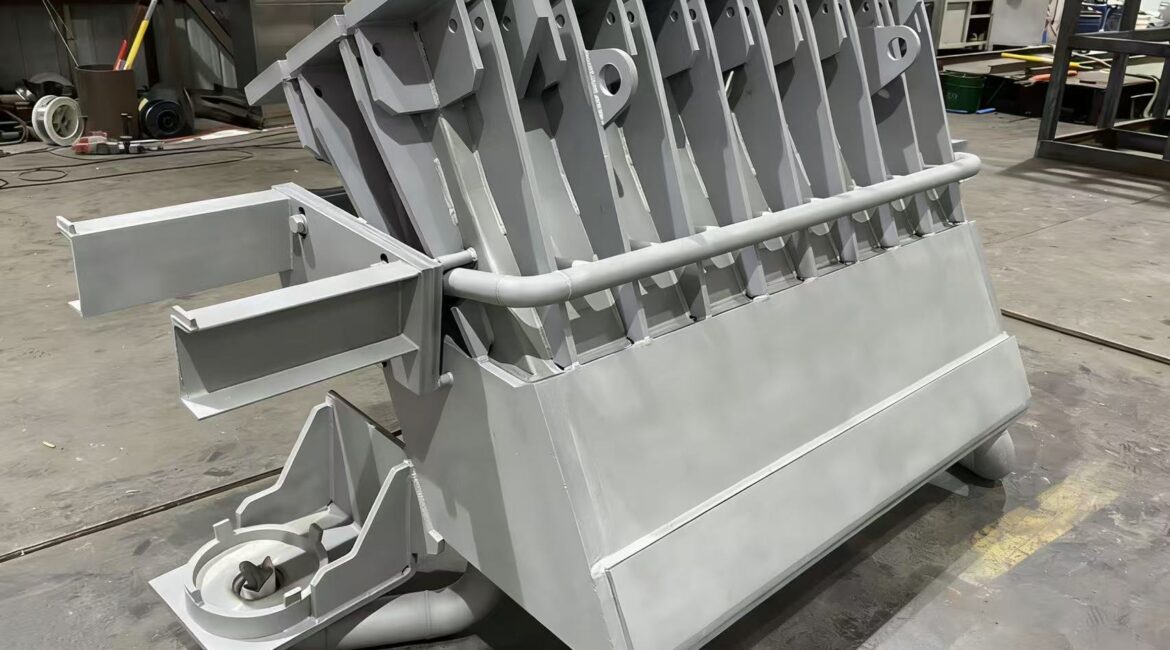
In the hot-dip galvanizing process, the furnace nose serves as the critical conduit through which the steel strip enters the zinc pot. The flow dynamics of the molten zinc within the furnace nose directly impact the quality of the zinc coating, the volume of zinc dross generated, and the continuous

Read More

How to Choose Air-Cooled Tubes for Galvanizing Lines? Avoid These 3 Pitfalls to Boost Heat Dissipation Efficiency by 50%

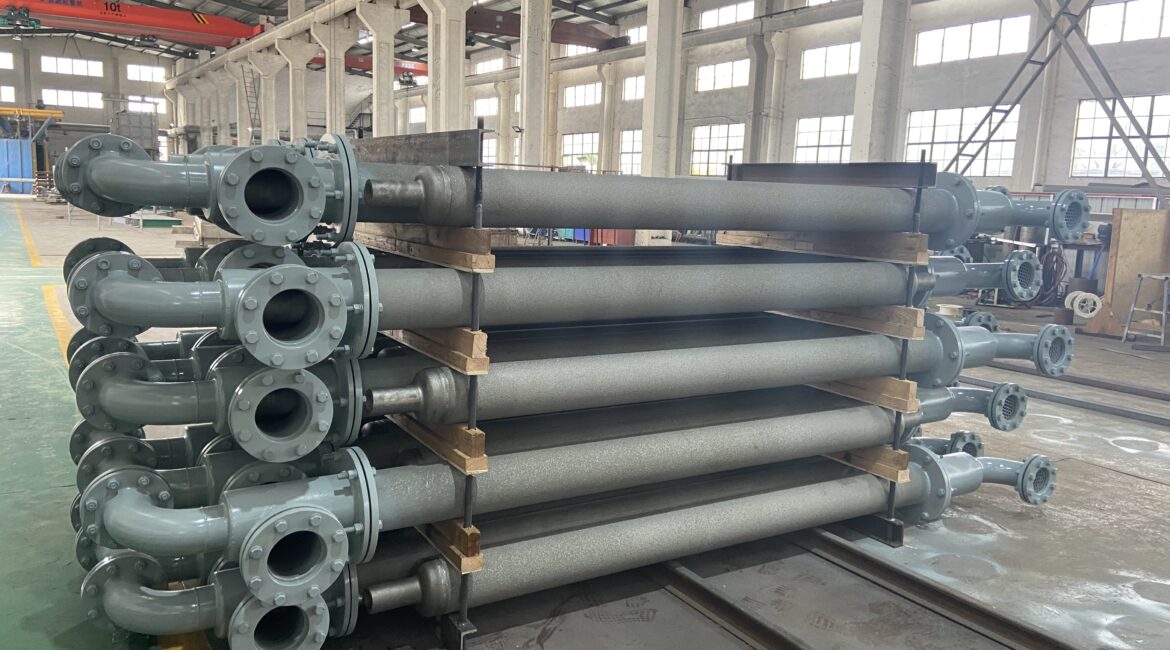
In continuous hot-dip galvanizing lines, heat dissipation within the furnace zone has long been a “silent killer.” Excessively high surface temperatures on the furnace shell not only accelerate the aging of electrical components and heighten the risk of downtime, but also render the area inaccessible to maintenance personnel—thereby severely compromising

Read More

Why Must Furnace Rollers Be Annealed? The Impact of Professional Annealing Processes on Quality and Service Life

In high-temperature operating environments—such as those found in galvanizing lines, annealing furnaces, and heat treatment systems—furnace rollers constitute one of the most critical core components. When selecting high-quality furnace rollers, many purchasers focus solely on material composition, hardness, and appearance, while overlooking a pivotal factor that determines both the service

Read More

Quick Troubleshooting and Emergency Handling of Common Faults (Leakage, Overheating, Deformation) in Double-P Type Radiant Tubes

In galvanizing production lines, double-P type radiant tubes are core heating components of annealing furnaces and heating furnaces, responsible for providing stable and uniform heat to the furnace chamber. Their operating status directly affects the quality of galvanized products, production efficiency, and on-site safety. Due to prolonged exposure to high-temperature

Read More

Investment casting (lost-wax casting): Detailed explanation of process, advantages and applications

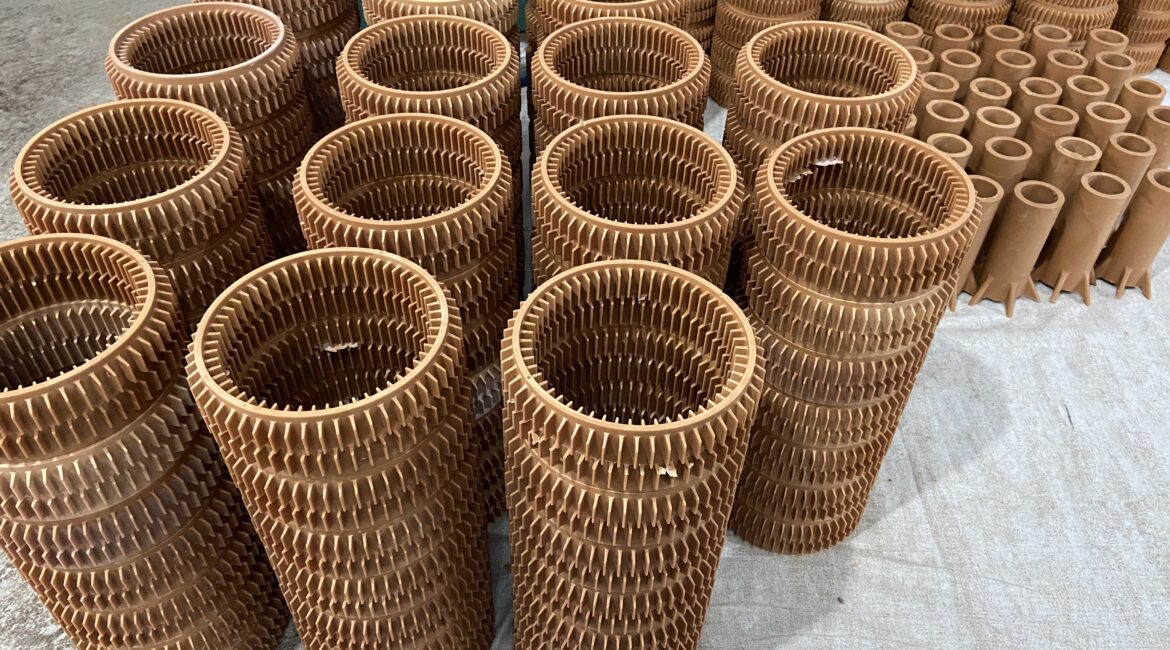
In the field of precision metal parts manufacturing, investment casting (lost-wax casting) is a core precision forming process. With its advantages of high precision and high adaptability, it is widely used in various industries such as machinery, valves, automobiles, and hardware. This article breaks down its process flow, core advantages,

Read More

Common faults and solutions for three-roller six-arm galvanizing lines to reduce downtime

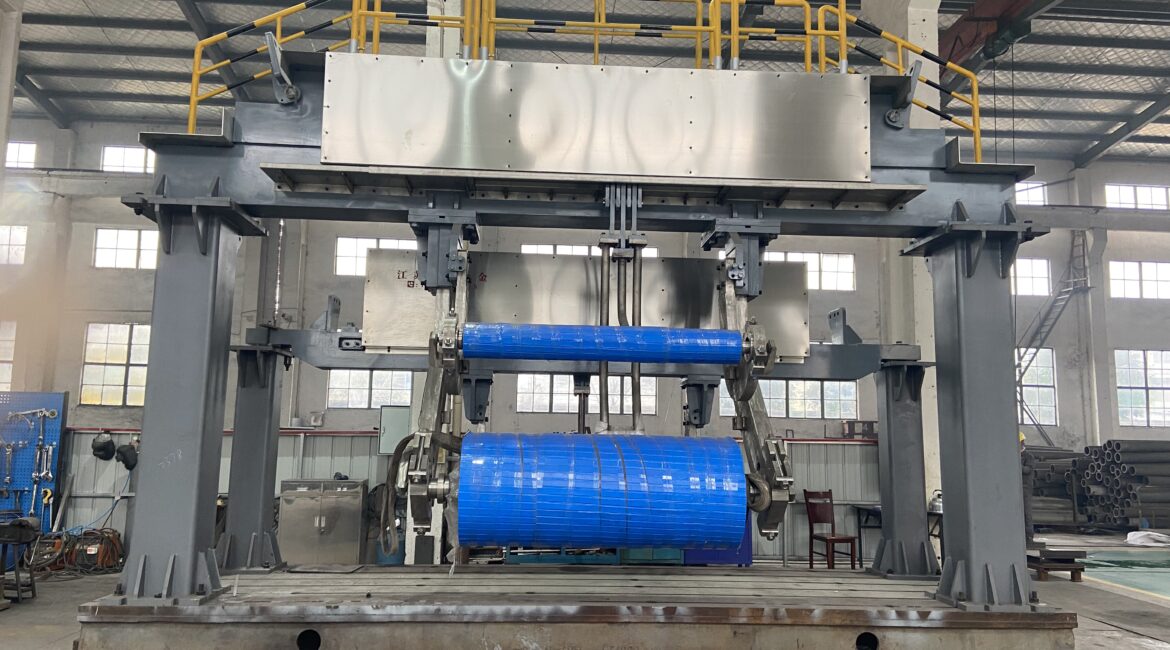
In continuous hot-dip galvanizing production lines, the three-roller six-arm system is the core roller system in the zinc pot area, responsible for guiding the strip, controlling its shape, and stabilizing tension. It operates under extreme conditions such as 460℃ high-temperature zinc liquid and strip friction, making malfunctions prone to causing

Read More

Detailed Explanation of Safe Operating Procedures for Zinc Pot Extraction | Complete Guide to Preventing Scalding, Splashing, and Leakage

In high-temperature operations such as hot-dip galvanizing and zinc alloy smelting, zinc pot extraction is a core and high-risk production process. The temperature of molten zinc typically exceeds 450°C, and improper operation can easily lead to serious accidents such as zinc burns, zinc splashes, gas poisoning, and even fires. To

Read More

The difference between hot-dip galvanizing and cold galvanizing: Why is hot-dip galvanizing the preferred method in industrial production

Hot-dip galvanizing and cold-dip galvanizing are the two most mainstream processes in the field of industrial metal corrosion protection. They differ fundamentally in process principles, corrosion protection effects, applicable scenarios, and overall costs. Hot-dip galvanizing, due to its superior corrosion resistance, longer service life, and lower long-term overall cost, has

Read More
  • 1
  • 2