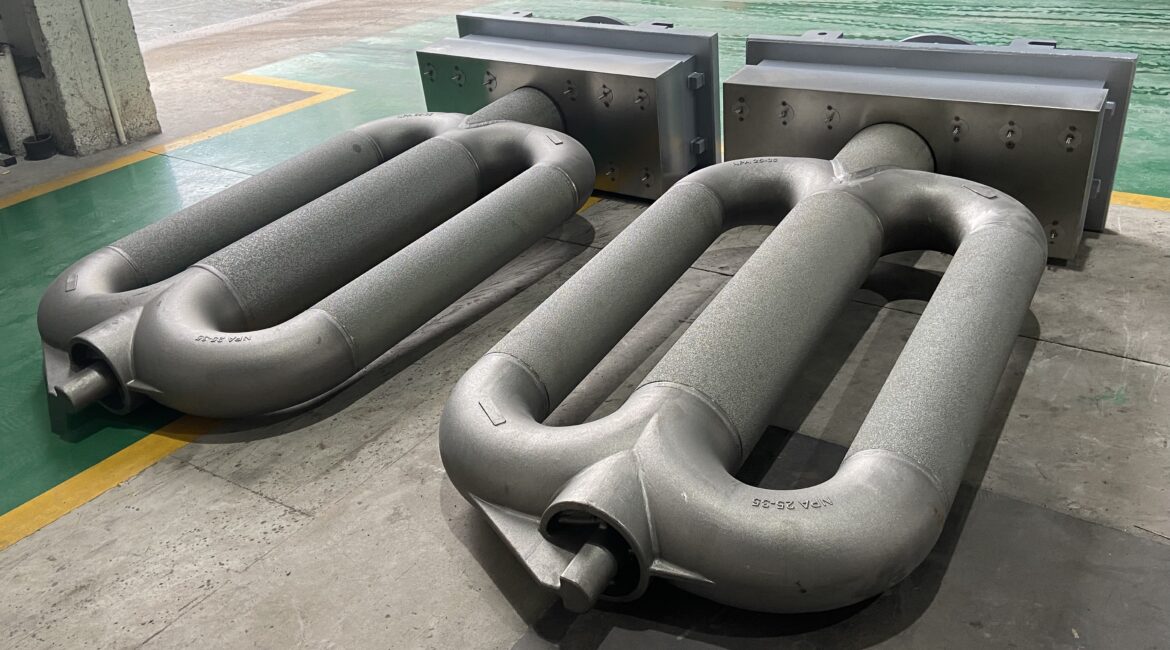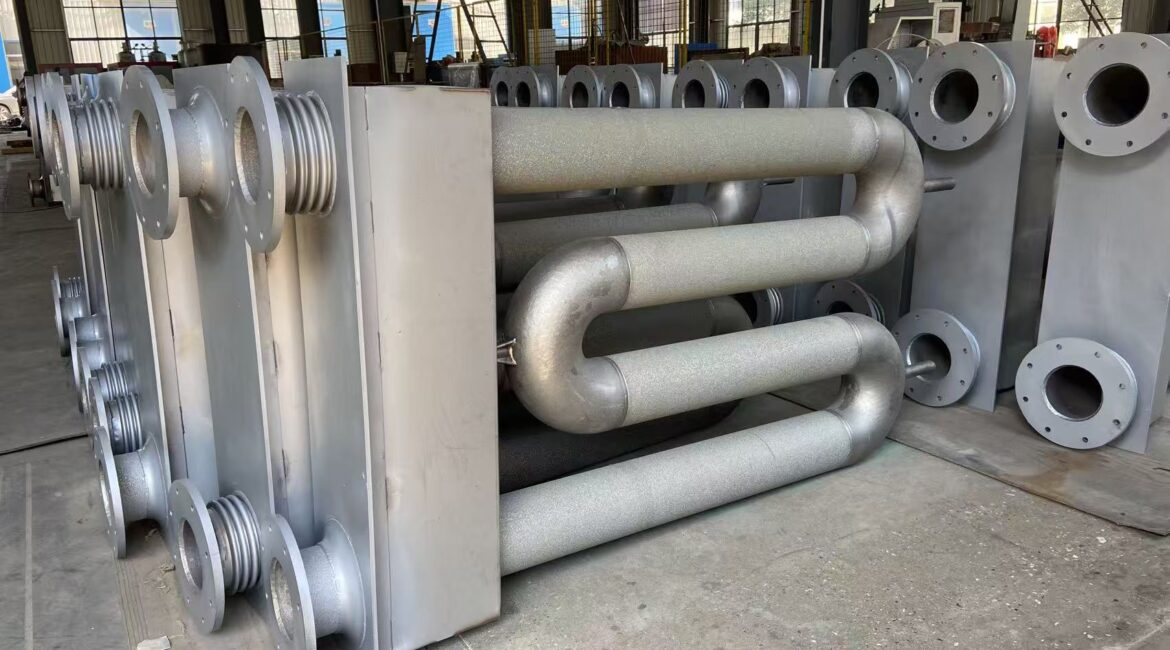

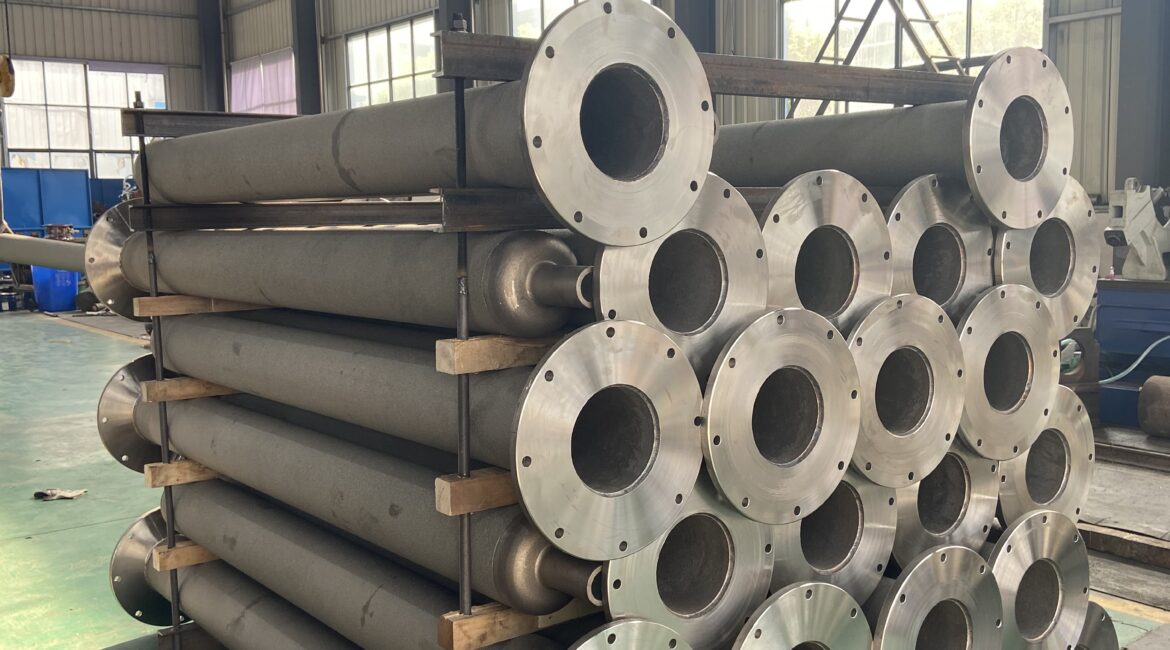
How to Assess the Manufacturing Quality of Type I Radiant Tubes? From Casting, Welding, and Nondestructive Testing to Pressure Testing

Type I radiant tubes are common heating elements found in continuous heat treatment furnaces, galvanizing lines, and annealing lines. For tubes of identical specifications, market prices can vary by more than twofold—a disparity rooted in subtle, underlying differences in manufacturing quality. While their external appearance may be nearly indistinguishable, their
Read More

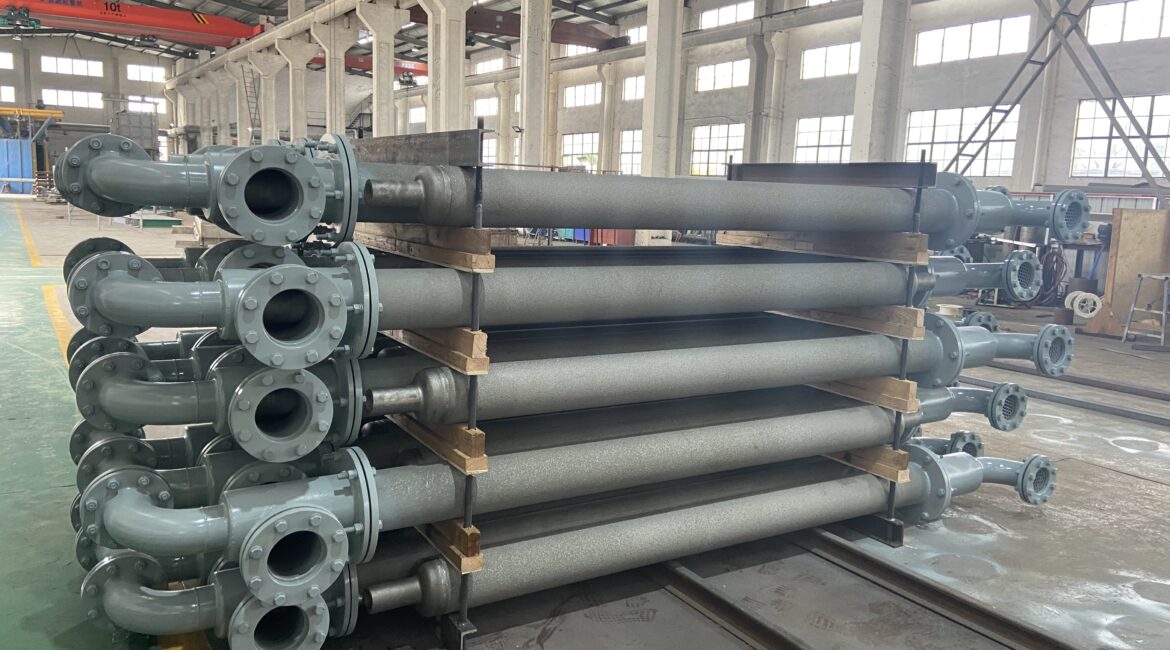
How to Choose Air-Cooled Tubes for Galvanizing Lines? Avoid These 3 Pitfalls to Boost Heat Dissipation Efficiency by 50%

In continuous hot-dip galvanizing lines, heat dissipation within the furnace zone has long been a “silent killer.” Excessively high surface temperatures on the furnace shell not only accelerate the aging of electrical components and heighten the risk of downtime, but also render the area inaccessible to maintenance personnel—thereby severely compromising

Read More

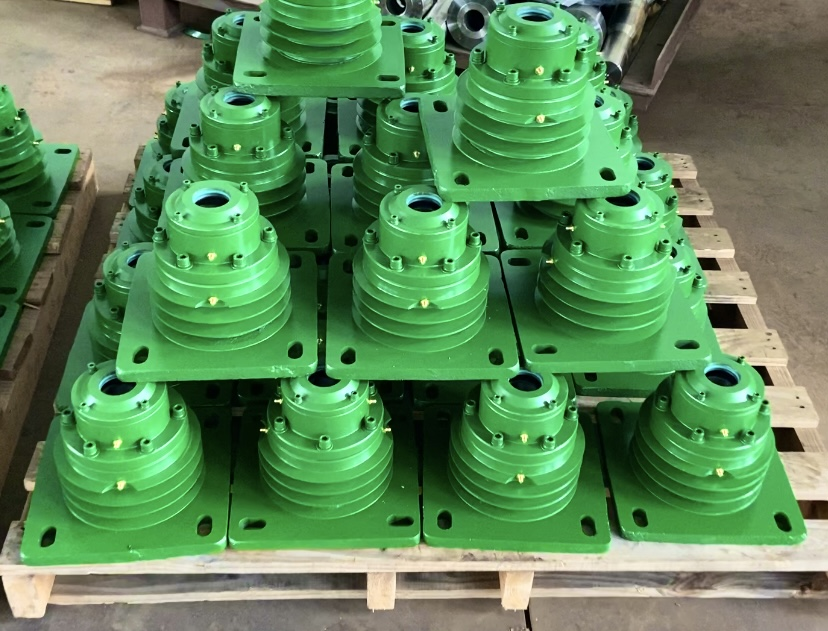
Are Your Bearing Housings Prone to Failure in High-Temperature Environments? Choose High-Quality Bearing Housings to Resolve Production and Maintenance Pain Points

In high-temperature operating environments—such as those found in galvanizing lines and industrial furnaces—bearing housings serve as critical supporting components for furnace rollers and radiant tubes; they are responsible for securing bearings, transmitting loads, and ensuring the smooth operation of the equipment. However, most enterprises face persistent challenges involving the frequent

Read More

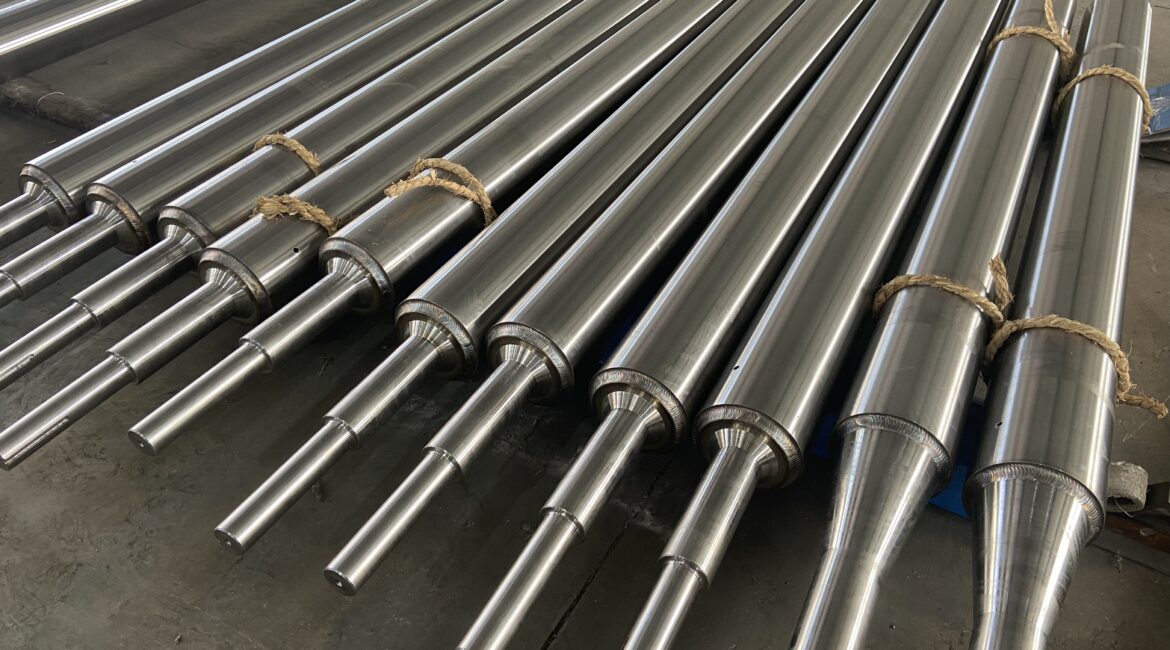
High-temperature zinc adhesion? Steel strip scratching? What production pain points can high-quality furnace rollers resolve?

In the galvanizing process, critical pain points—such as high-temperature zinc adhesion, strip scratching, and furnace roll buildup—directly compromise finished product quality, drive up operation and maintenance costs, and constrain production line efficiency. Many enterprises overlook a core critical element: the quality of the furnace rolls. In reality, high-quality galvanizing furnace

Read More

Furnace Nose Zinc Slag Cleaning and Sealing Optimization: A Practical Guide to Eliminating Zinc Particle Defects and Improving Steel Strip Surface Quality

In hot-dip galvanizing production lines, the furnace nose is a core component connecting the annealing furnace and the zinc pot, and its operating condition directly determines the surface quality of the steel strip. Zinc dross accumulation and sealing performance failure in the furnace nose are common problems in the industry,

Read More

Cost Reduction Strategy for Hot-Dip Galvanizing Production Lines: Choosing the Right W/Double P-Type Radiant Tubes to Reduce Operating and Maintenance Costs from the Source

In the operation of hot-dip galvanizing production lines, the costs of radiant tube maintenance and replacement have remained consistently high. Frequent malfunctions, high energy consumption, and difficulties in adaptation and modification hinder companies from reducing costs and improving efficiency. W-type and double P-type radiant tubes, through dual optimization of structure

Read More

In-depth analysis of the working principle of the sink roll: Precise positioning is key to ensuring the uniformity of the galvanized layer

In the core section of the hot-dip galvanizing production line, the sink roll, as a key component completely immersed in the molten zinc, plays a role far beyond simply guiding the steel strip. Its working principle, especially its precise positioning in three-dimensional space, is a core technology that determines the

Read More

2520 heat-resistant steel: Why it’s the ideal choice for long-lasting and high-performance W-type radiant tubes

In the manufacturing of W-shaped radiant tubes—a core component of high-temperature industrial furnaces—the choice of material directly determines their lifespan, energy efficiency, and reliability. This article will provide an in-depth analysis of why 2520 heat-resistant steel (310S) has become the industry standard material for handling demanding operating conditions, due to

Read More

Are there zinc dross or streaks on the surface of the hot-dip galvanized sheet? The problem might be with the operation of the galvanizing bath

The surface quality of hot-dip galvanized steel sheets is a core indicator of their quality, and zinc dross and streaks are the two most common and significant types of defects. These defects not only damage the product’s appearance but also significantly weaken the corrosion resistance and adhesion of the coating.

Read More

Eliminating Hearth Roll Buildup: A Core Guide to Maintaining Hot-Dip Galvanized Steel Sheet Quality

In the steel processing industry, the surface quality of continuously hot-dip galvanized steel sheets directly impacts customer satisfaction and market reputation. However, the persistent problem of scale buildup on annealing furnace rolls, a stubborn “invisible killer,” often leads to defects such as indentations, scratches, or color differences on the steel

Read More
  • 1
  • 2