
Radiant tubes are the core heating elements for industrial furnaces—such as heat treatment, annealing, and galvanizing furnaces—directly determining the equipment’s heating uniformity, energy efficiency, service life, and production stability.
Currently, U-shaped and W-shaped radiant tubes are the mainstream types in the industry; however, many production and procurement personnel find it difficult to distinguish between them when making a selection, unsure of which is better suited to their production lines or offers superior cost-effectiveness.
Basic Structure: Morphological differences are the core distinction
U-Shape: Minimalist double-bend design; a classic, versatile style
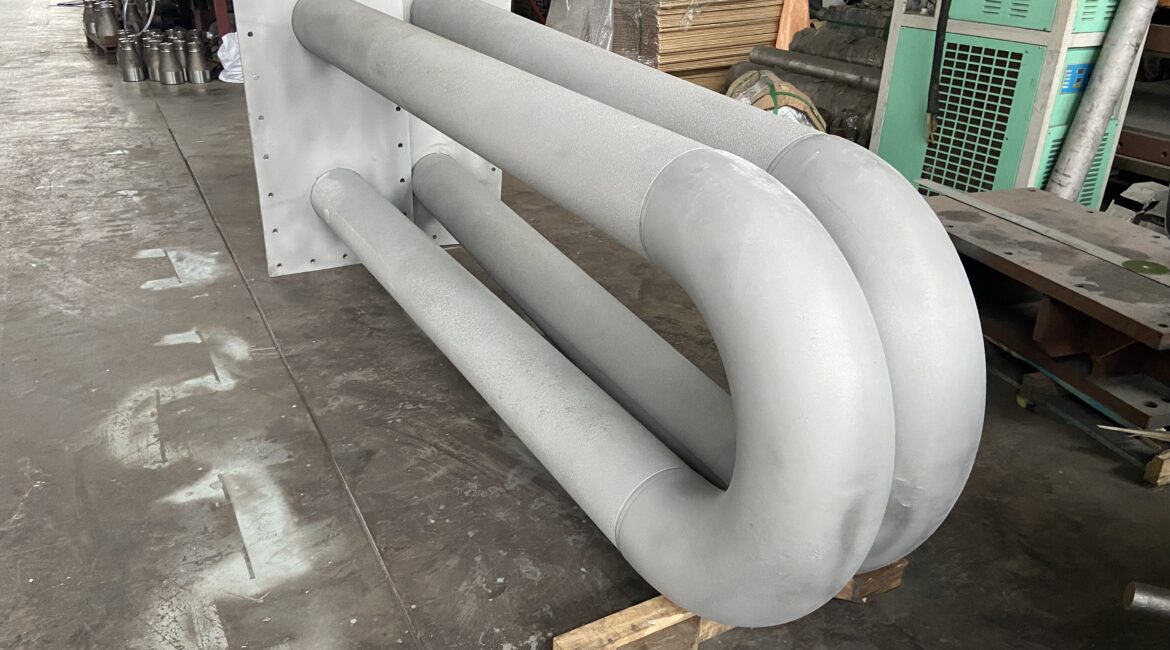
The U-shaped radiant tube is the most classic and widely used radiant tube configuration; it is formed by bending a single straight tube into a U-shape, with the connections at both ends located on the same side. The overall structure is simple and orderly, featuring a straightforward layout, minimal bending, and uniform stress distribution across the tube body.
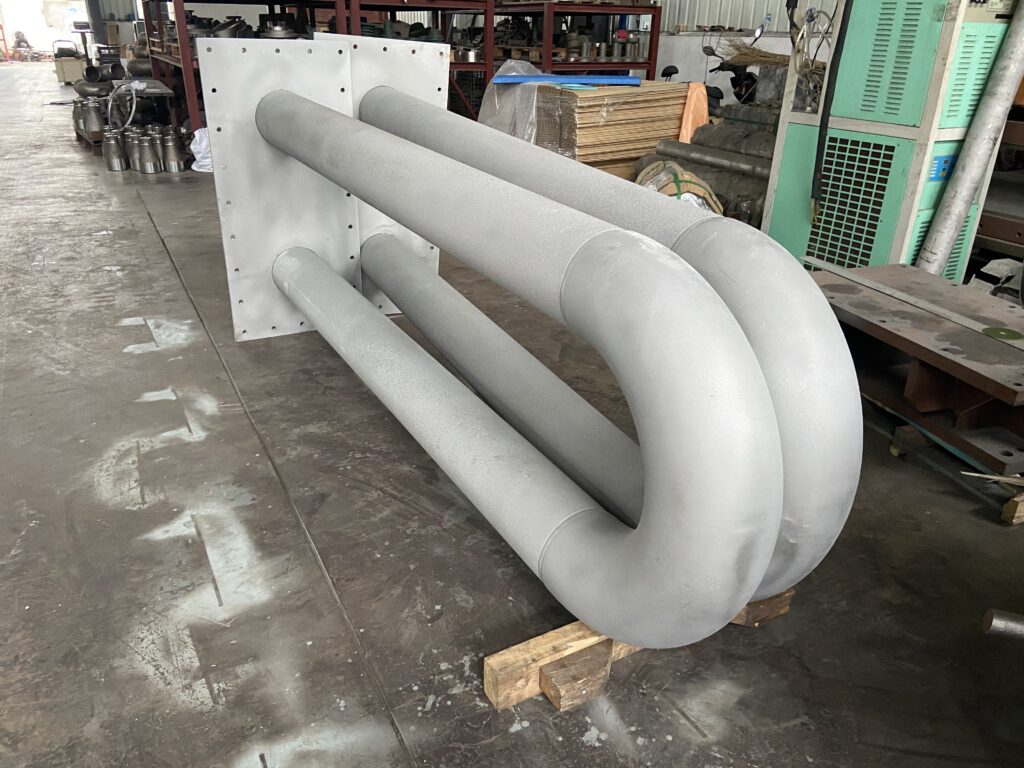
The greatest advantage of this structure is the exceptional ease of installation, inspection, and replacement; all maintenance tasks can be performed from a single side without requiring extensive disassembly of the furnace body, thereby significantly reducing equipment maintenance costs and downtime.
W-Type: Multi-fold extended structure; a high-efficiency, compact design
The W-type radiant tube features an extended, multi-pass structure; it is formed by adding further bends to the U-type design, resulting in a W-shaped, multi-segment piping layout. Within the same furnace installation footprint, the W-type radiant tube offers a greater effective heating length and a larger heating surface area.
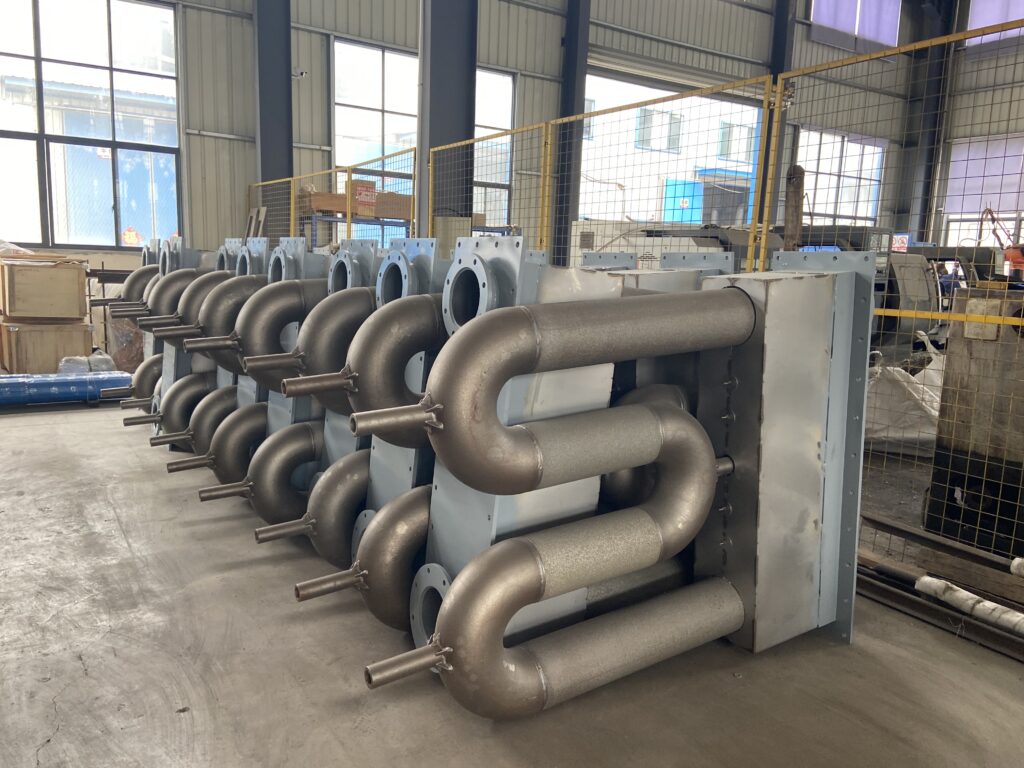
Simply put: within the same oven cavity volume, the W-shaped design achieves higher heating power and greater heat output density, maximizing space utilization.
Core Performance Comparison: Pros and Cons at a Glance
U-shaped radiant tube: stable, durable, and compatible
- Excellent temperature uniformity: minimal tube bending and low thermal stress ensure a controllable temperature differential throughout the process and a stable internal temperature field; high consistency in workpiece heating significantly reduces heat treatment defects.
- Longer service life: Simple structure; resistant to deformation and cracking under high-temperature conditions; excellent fatigue and aging resistance; extremely low failure rate during operation and maintenance.
- Low maintenance costs: The simple structure prevents carbon buildup and pipe clogging, allows for easy disassembly and servicing, and is suitable for continuous, high-intensity production conditions.
- Highly adaptable: Compatible with the two mainstream heating methods—electric and gas—and suitable for the vast majority of conventional industrial furnaces and kilns.
W-type radiant tube: High efficiency, rapid heating
- Higher thermal efficiency: Within the same footprint, the heating piping is longer and the heat exchange area is larger, resulting in significantly improved heat utilization; compared to conventional piping designs, it offers notable energy savings and faster heating speeds.
- High power density: Each tube delivers superior heating capacity, making it suitable for production scenarios involving compact furnace chambers, high loads, and rapid heating, thereby effectively boosting production efficiency.
Applicable Scenarios: Select the right model to meet production requirements
Scenarios where U-shaped radiant tubes are the preferred choice
Striving for routine production conditions characterized by long-term stability, low failure rates, and high product yield:
- Heat treatment furnaces for quenching, tempering, and carburizing hardware and mechanical components
- Standard continuous annealing furnaces and batch heat treatment furnaces
- Production lines with high requirements for temperature uniformity and strict standards for workpiece quality.
- Equipment requiring frequent maintenance and aiming for low O&M costs.
Scenarios where W-type radiant tubes are the preferred choice
High-density production conditions prioritizing high power, rapid heating, and energy efficiency:
- Continuous annealing production lines for strip steel, silicon steel, and stainless steel
- Heat treatment furnaces for galvanized and Al-Zn coated sheets
- Industrial furnaces requiring high-load heating and rapid temperature rise within a limited furnace volume.
- Scenarios involving energy-saving retrofits and power upgrades for aging equipment.
Many people mistakenly assume that the W-shape is “better” simply because it is more efficient; in reality, this is not the case.
U-shaped radiant tubes excel due to their stability, durability, cost-effectiveness, and consistent quality yields; they are a preferred choice for industrial heat treatment, particularly for enterprises requiring long-term continuous production and high equipment stability.
W-type radiant tubes excel due to their high energy efficiency and high power density; they offer targeted solutions to challenges such as space constraints, slow heating rates, and insufficient production capacity, making them powerful tools for boosting efficiency in high-load production lines.
Core principles for model selection: Choose the U-type for stability and the W-type for high efficiency. Matching the model to your specific furnace structure, production load, and process requirements is essential to balancing production efficiency, product quality, and O&M costs.