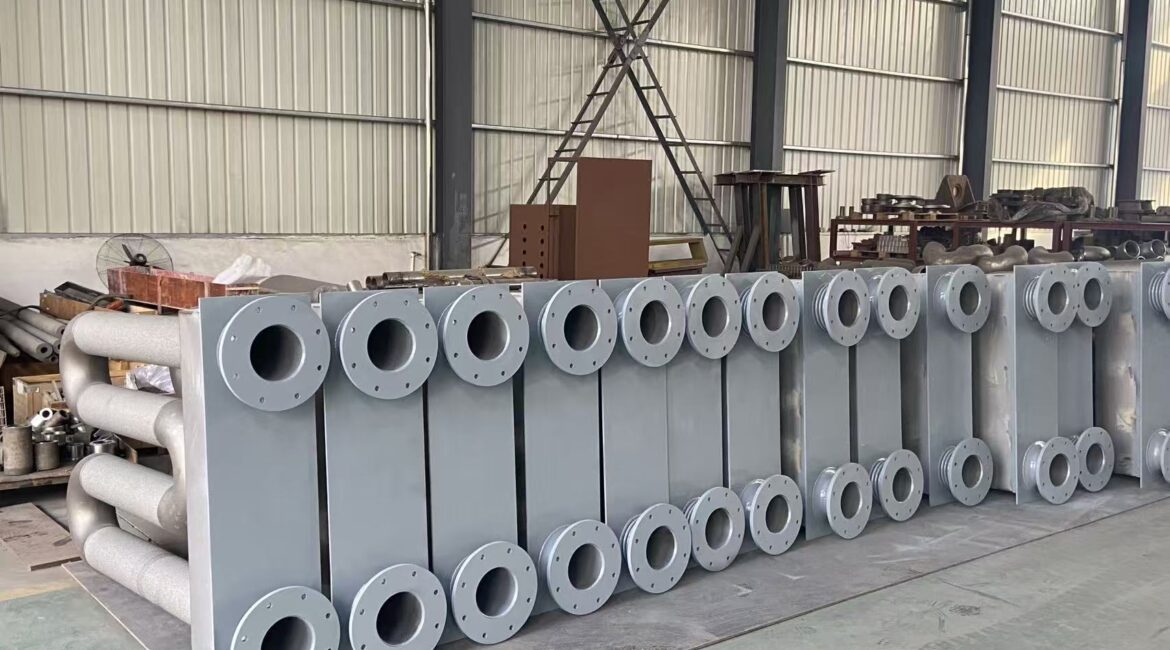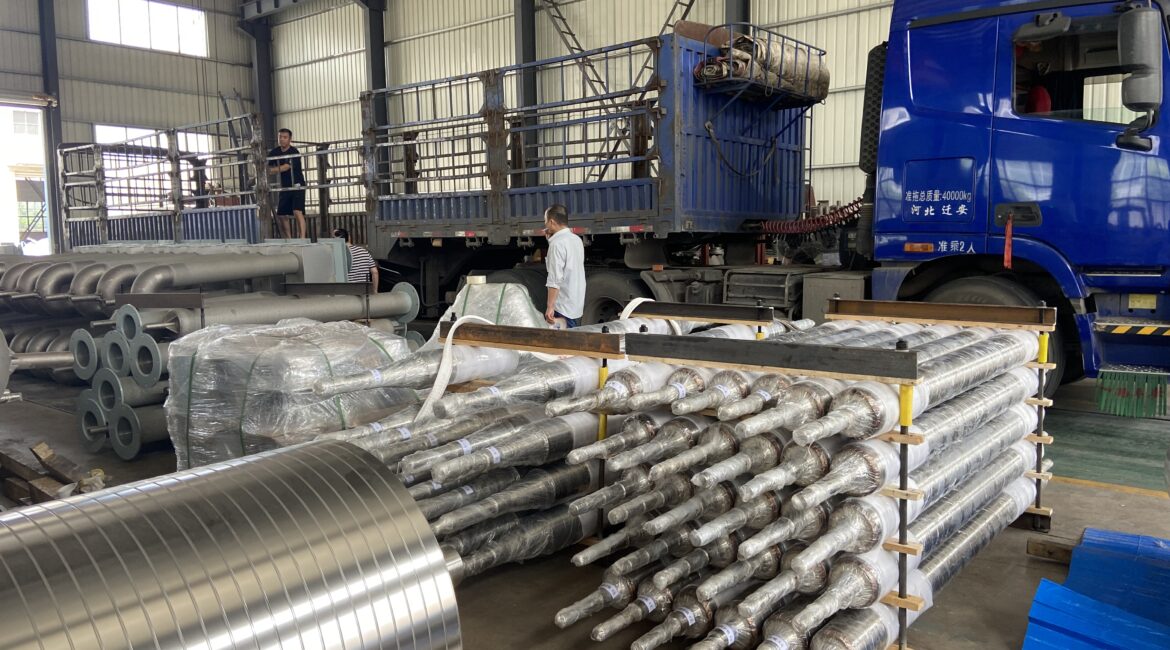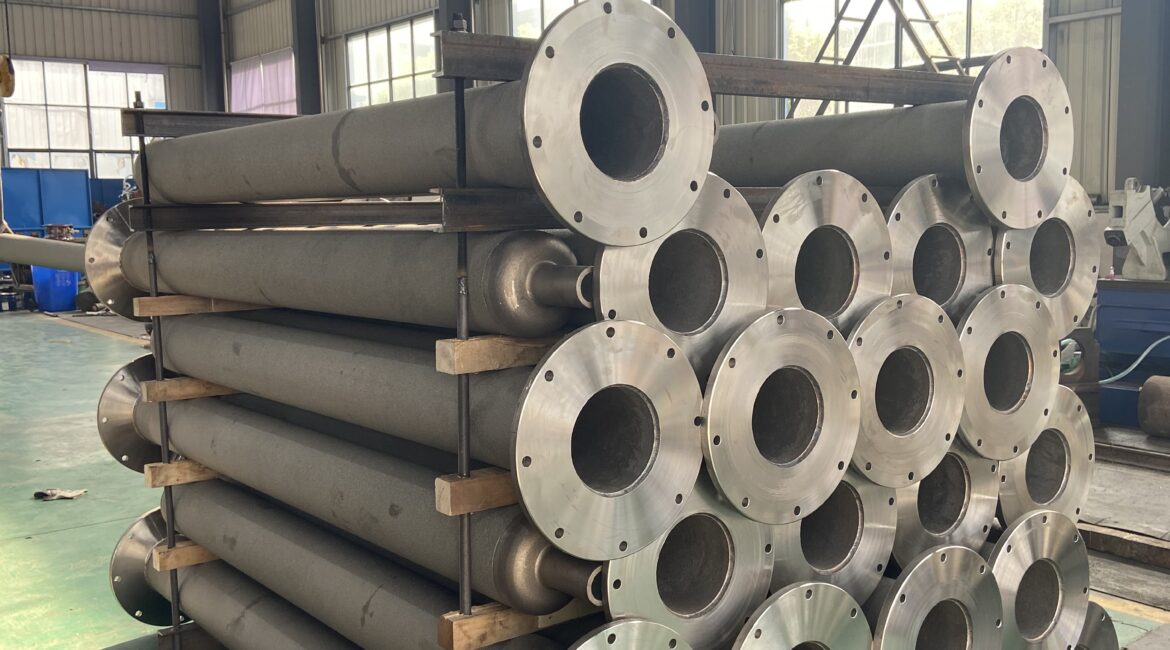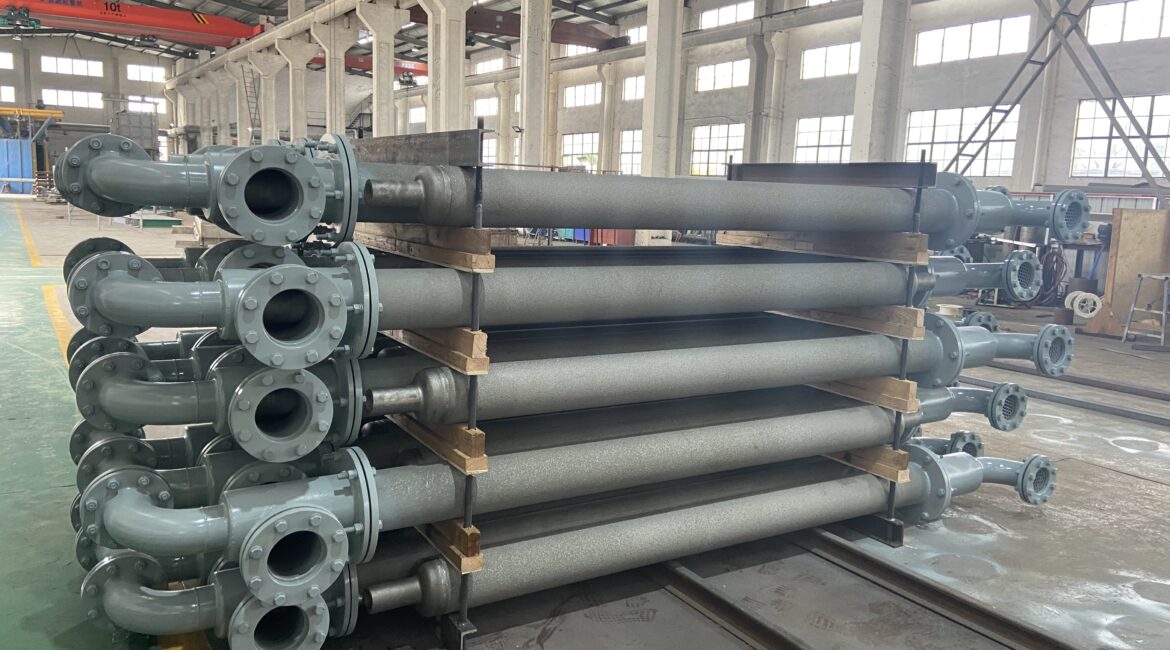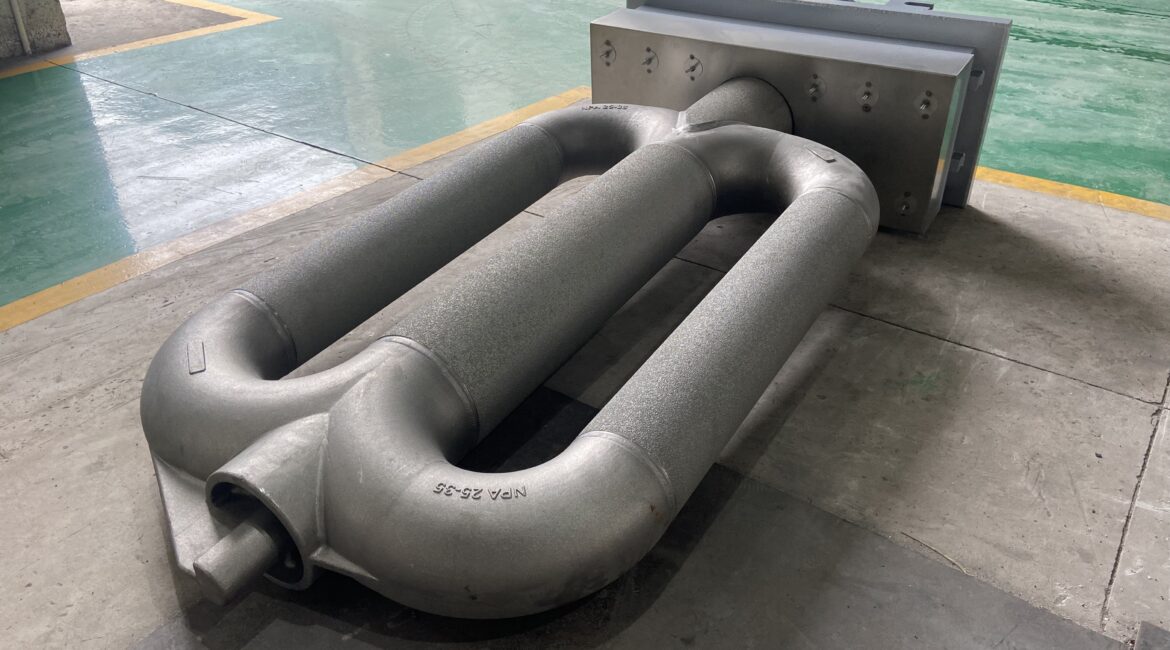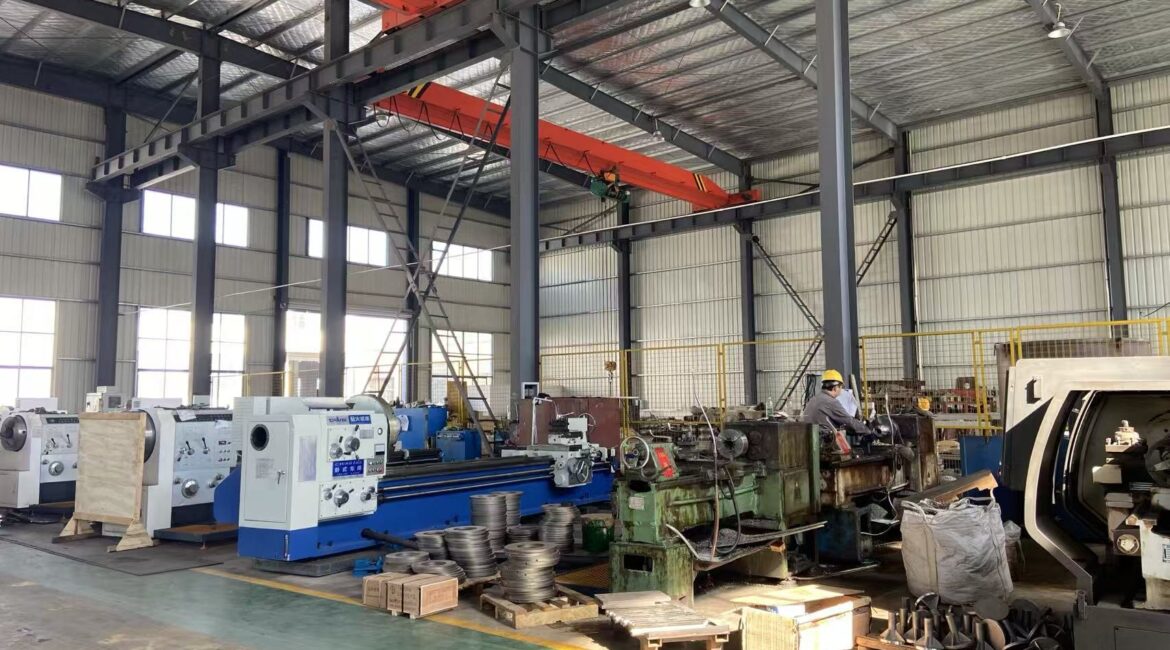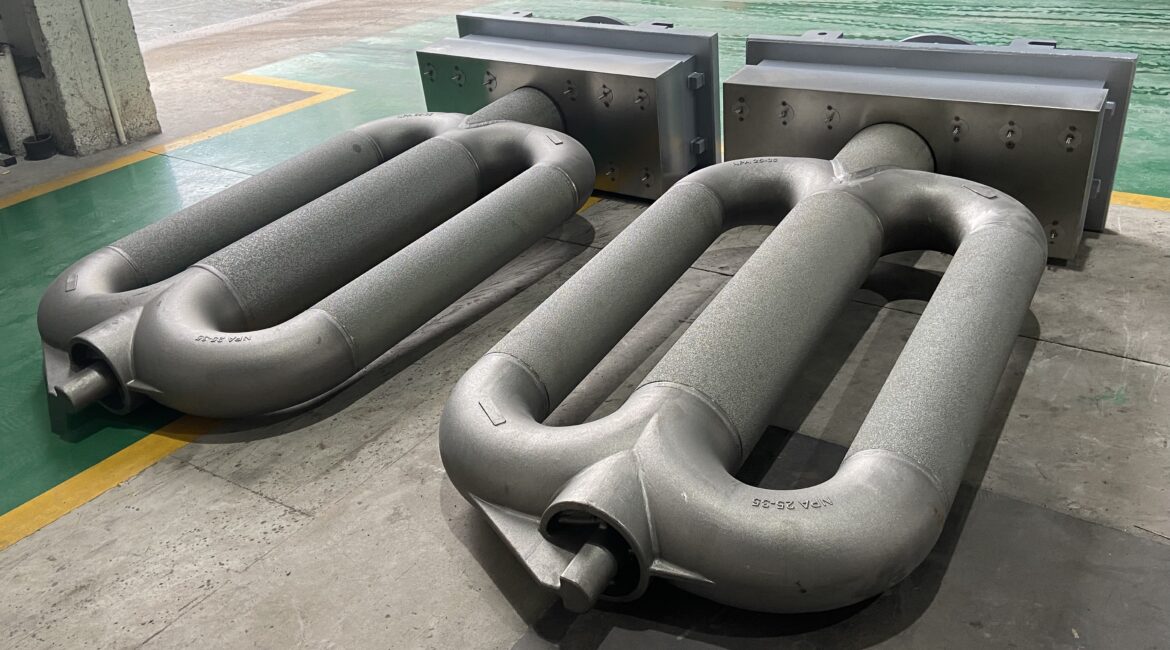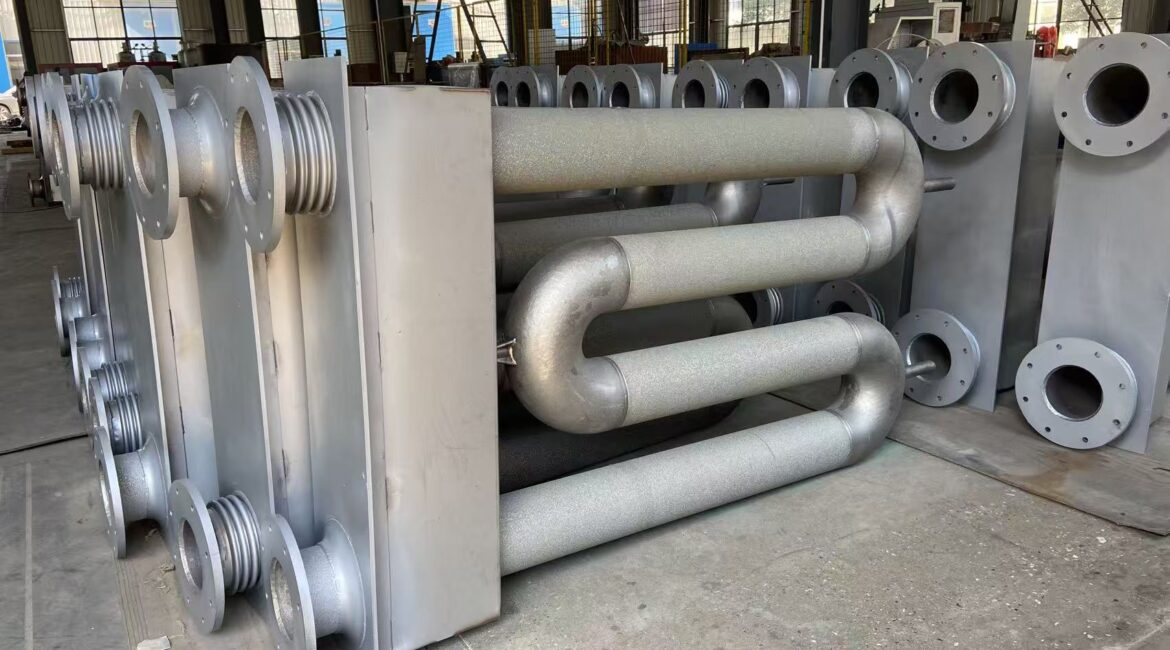

Unwavering Delivery Capacity Amidst High Temperatures! Xuyang Metallurgical Furnace Components Empower High-Temperature Production Lines

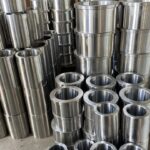
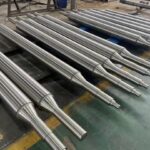
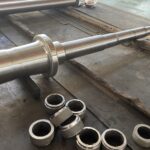
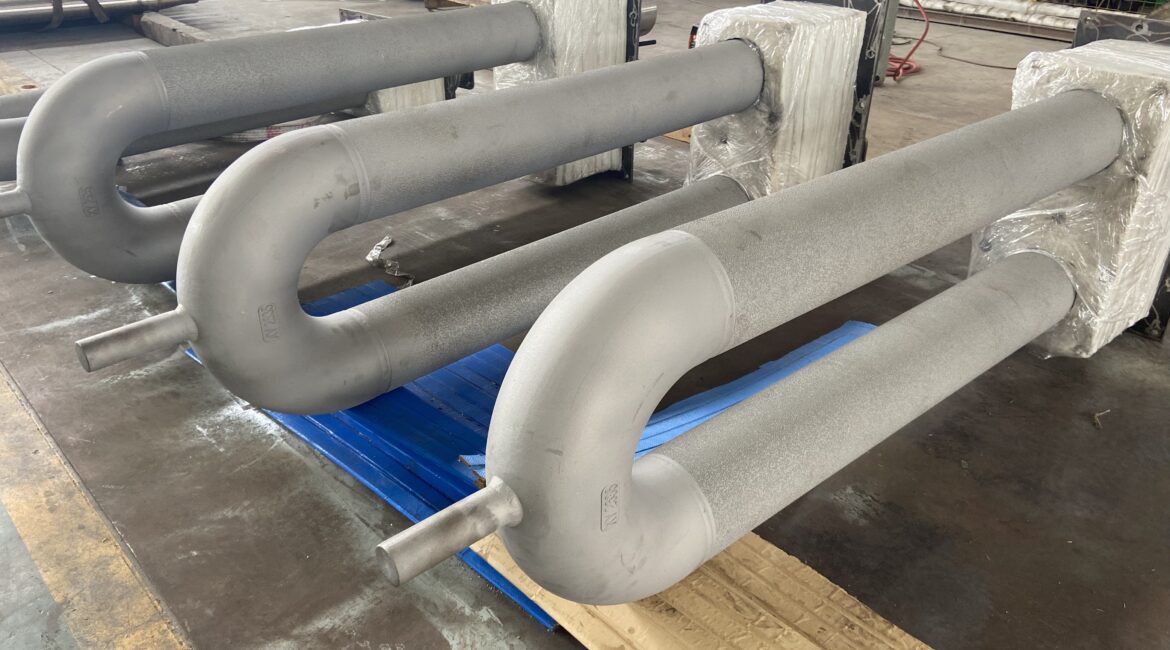
As temperatures gradually rise, the activity at Xuyang’s shipping facility is heating up even more! Undeterred by the intensifying weather, our production continues ceaselessly, and our shipments never stop. Batch after batch of furnace hearth rollers, W-type radiant tubes, bearing housings, and electric radiant tubes—all rigorously tested and fully prepared

Read More

How to Assess the Manufacturing Quality of Type I Radiant Tubes? From Casting, Welding, and Nondestructive Testing to Pressure Testing

Type I radiant tubes are common heating elements found in continuous heat treatment furnaces, galvanizing lines, and annealing lines. For tubes of identical specifications, market prices can vary by more than twofold—a disparity rooted in subtle, underlying differences in manufacturing quality. While their external appearance may be nearly indistinguishable, their

Read More

How to Choose Air-Cooled Tubes for Galvanizing Lines? Avoid These 3 Pitfalls to Boost Heat Dissipation Efficiency by 50%

In continuous hot-dip galvanizing lines, heat dissipation within the furnace zone has long been a “silent killer.” Excessively high surface temperatures on the furnace shell not only accelerate the aging of electrical components and heighten the risk of downtime, but also render the area inaccessible to maintenance personnel—thereby severely compromising

Read More

Quick Troubleshooting and Emergency Handling of Common Faults (Leakage, Overheating, Deformation) in Double-P Type Radiant Tubes

In galvanizing production lines, double-P type radiant tubes are core heating components of annealing furnaces and heating furnaces, responsible for providing stable and uniform heat to the furnace chamber. Their operating status directly affects the quality of galvanized products, production efficiency, and on-site safety. Due to prolonged exposure to high-temperature

Read More

The difference between hot-dip galvanizing and cold galvanizing: Why is hot-dip galvanizing the preferred method in industrial production

Hot-dip galvanizing and cold-dip galvanizing are the two most mainstream processes in the field of industrial metal corrosion protection. They differ fundamentally in process principles, corrosion protection effects, applicable scenarios, and overall costs. Hot-dip galvanizing, due to its superior corrosion resistance, longer service life, and lower long-term overall cost, has

Read More

Cost Reduction Strategy for Hot-Dip Galvanizing Production Lines: Choosing the Right W/Double P-Type Radiant Tubes to Reduce Operating and Maintenance Costs from the Source

In the operation of hot-dip galvanizing production lines, the costs of radiant tube maintenance and replacement have remained consistently high. Frequent malfunctions, high energy consumption, and difficulties in adaptation and modification hinder companies from reducing costs and improving efficiency. W-type and double P-type radiant tubes, through dual optimization of structure

Read More

2520 heat-resistant steel: Why it’s the ideal choice for long-lasting and high-performance W-type radiant tubes

In the manufacturing of W-shaped radiant tubes—a core component of high-temperature industrial furnaces—the choice of material directly determines their lifespan, energy efficiency, and reliability. This article will provide an in-depth analysis of why 2520 heat-resistant steel (310S) has become the industry standard material for handling demanding operating conditions, due to

Read More