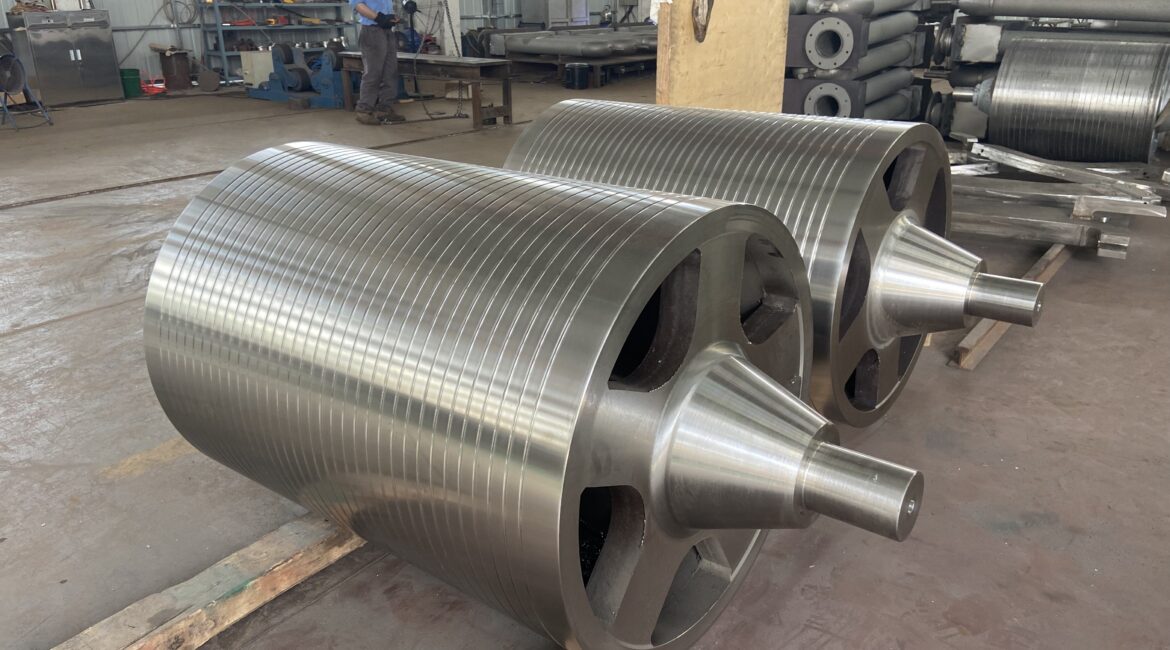

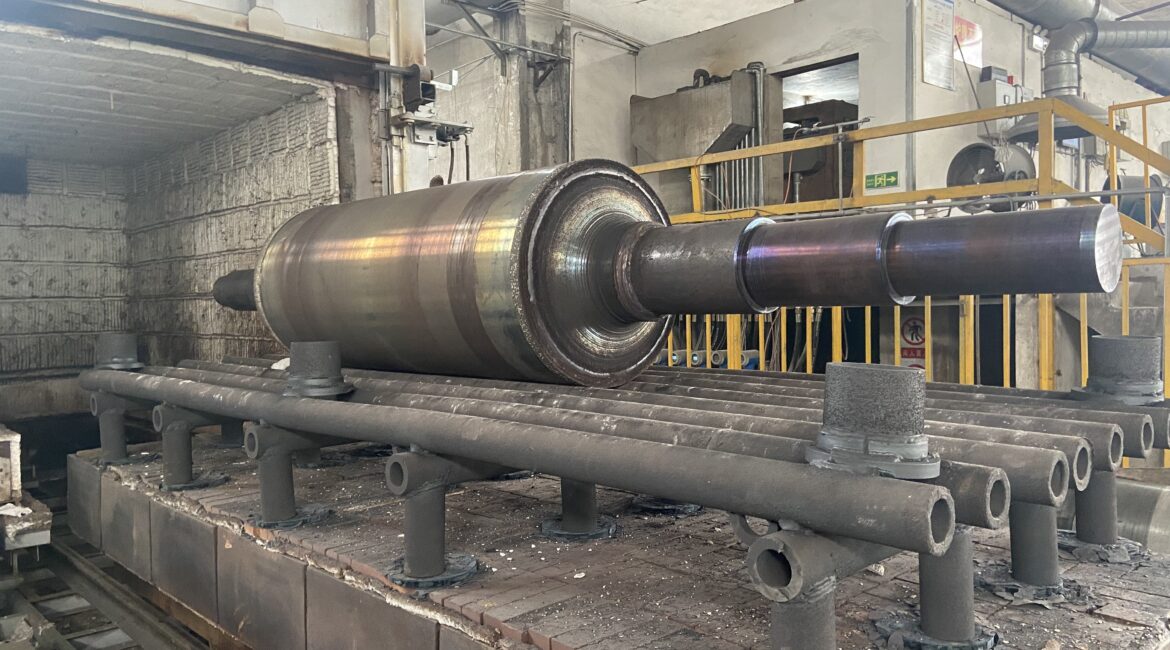
Why Must Furnace Rollers Be Annealed? The Impact of Professional Annealing Processes on Quality and Service Life

In high-temperature operating environments—such as those found in galvanizing lines, annealing furnaces, and heat treatment systems—furnace rollers constitute one of the most critical core components. When selecting high-quality furnace rollers, many purchasers focus solely on material composition, hardness, and appearance, while overlooking a pivotal factor that determines both the service
Read More

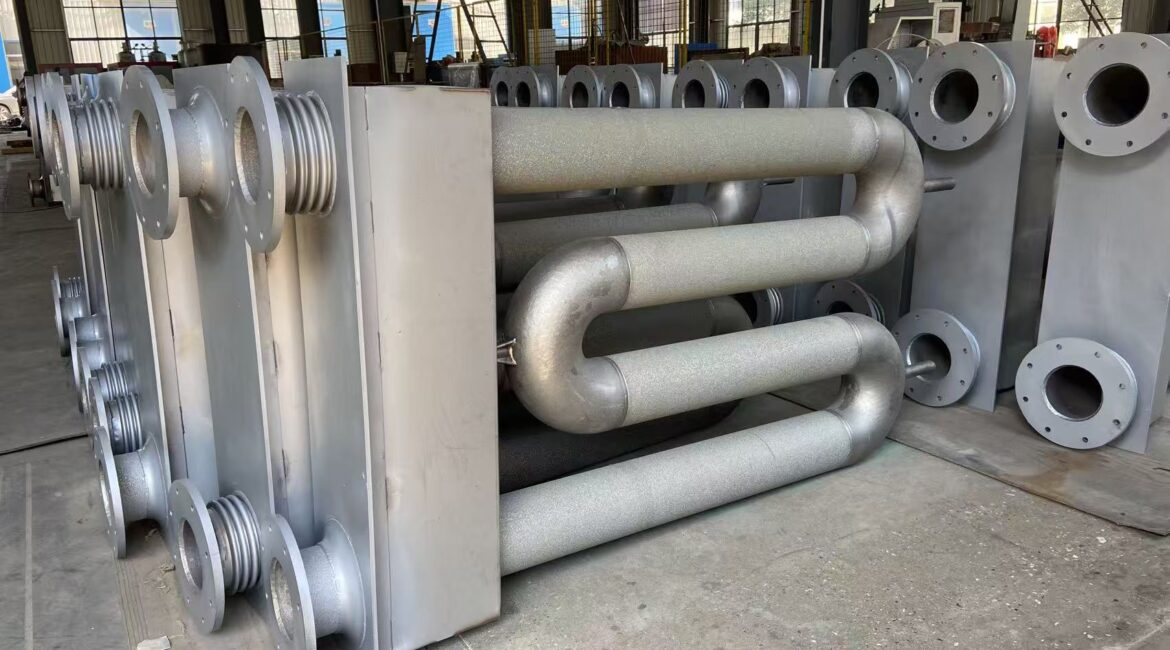
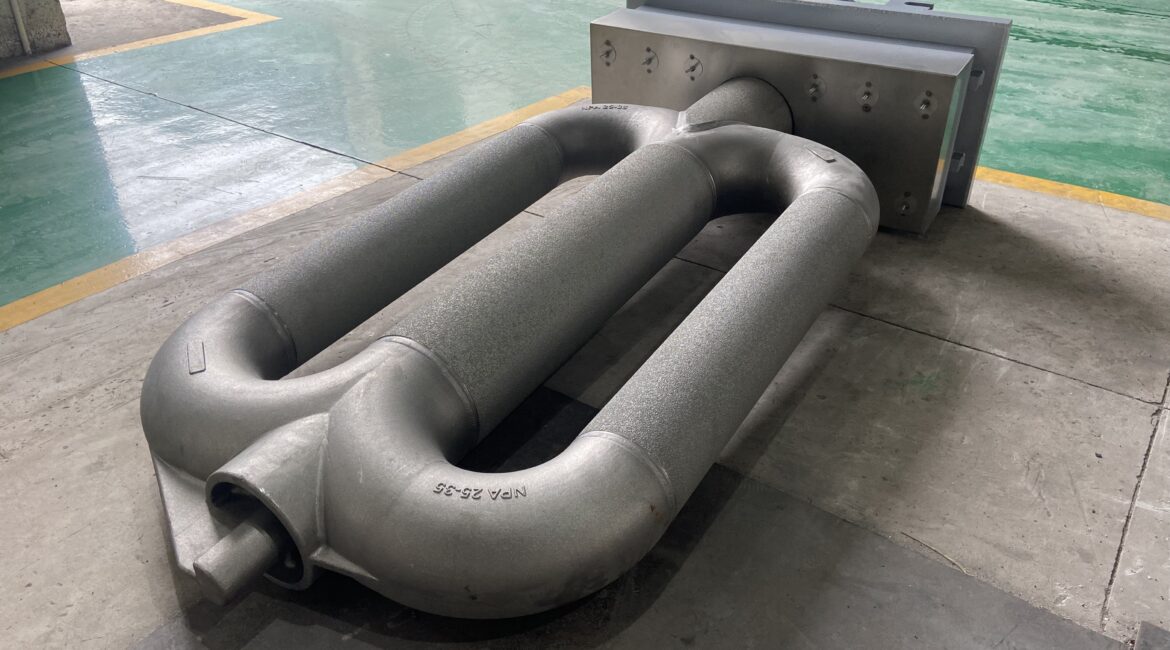
Quick Troubleshooting and Emergency Handling of Common Faults (Leakage, Overheating, Deformation) in Double-P Type Radiant Tubes

In galvanizing production lines, double-P type radiant tubes are core heating components of annealing furnaces and heating furnaces, responsible for providing stable and uniform heat to the furnace chamber. Their operating status directly affects the quality of galvanized products, production efficiency, and on-site safety. Due to prolonged exposure to high-temperature

Read More

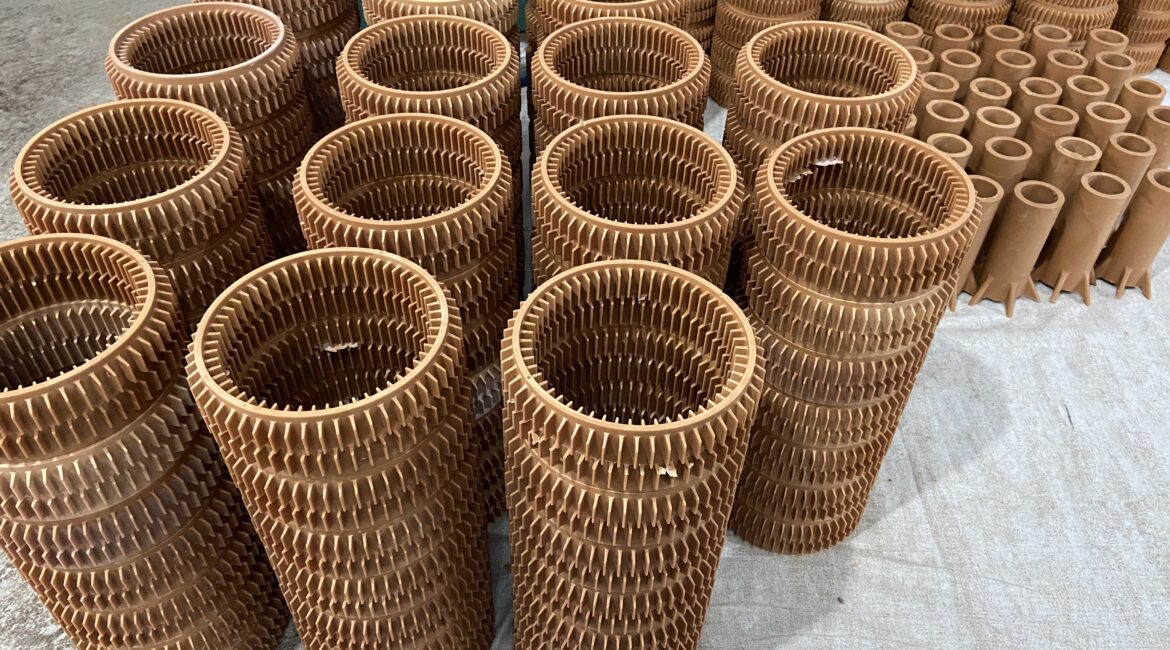
Investment casting (lost-wax casting): Detailed explanation of process, advantages and applications

In the field of precision metal parts manufacturing, investment casting (lost-wax casting) is a core precision forming process. With its advantages of high precision and high adaptability, it is widely used in various industries such as machinery, valves, automobiles, and hardware. This article breaks down its process flow, core advantages,

Read More

Common faults and solutions for three-roller six-arm galvanizing lines to reduce downtime

In continuous hot-dip galvanizing production lines, the three-roller six-arm system is the core roller system in the zinc pot area, responsible for guiding the strip, controlling its shape, and stabilizing tension. It operates under extreme conditions such as 460℃ high-temperature zinc liquid and strip friction, making malfunctions prone to causing

Read More

Detailed Explanation of Safe Operating Procedures for Zinc Pot Extraction | Complete Guide to Preventing Scalding, Splashing, and Leakage

In high-temperature operations such as hot-dip galvanizing and zinc alloy smelting, zinc pot extraction is a core and high-risk production process. The temperature of molten zinc typically exceeds 450°C, and improper operation can easily lead to serious accidents such as zinc burns, zinc splashes, gas poisoning, and even fires. To

Read More

The difference between hot-dip galvanizing and cold galvanizing: Why is hot-dip galvanizing the preferred method in industrial production

Hot-dip galvanizing and cold-dip galvanizing are the two most mainstream processes in the field of industrial metal corrosion protection. They differ fundamentally in process principles, corrosion protection effects, applicable scenarios, and overall costs. Hot-dip galvanizing, due to its superior corrosion resistance, longer service life, and lower long-term overall cost, has

Read More

Cost Reduction Strategy for Hot-Dip Galvanizing Production Lines: Choosing the Right W/Double P-Type Radiant Tubes to Reduce Operating and Maintenance Costs from the Source

In the operation of hot-dip galvanizing production lines, the costs of radiant tube maintenance and replacement have remained consistently high. Frequent malfunctions, high energy consumption, and difficulties in adaptation and modification hinder companies from reducing costs and improving efficiency. W-type and double P-type radiant tubes, through dual optimization of structure

Read More

In-depth analysis of the working principle of the sink roll: Precise positioning is key to ensuring the uniformity of the galvanized layer

In the core section of the hot-dip galvanizing production line, the sink roll, as a key component completely immersed in the molten zinc, plays a role far beyond simply guiding the steel strip. Its working principle, especially its precise positioning in three-dimensional space, is a core technology that determines the

Read More

2520 heat-resistant steel: Why it’s the ideal choice for long-lasting and high-performance W-type radiant tubes

In the manufacturing of W-shaped radiant tubes—a core component of high-temperature industrial furnaces—the choice of material directly determines their lifespan, energy efficiency, and reliability. This article will provide an in-depth analysis of why 2520 heat-resistant steel (310S) has become the industry standard material for handling demanding operating conditions, due to

Read More

Are there zinc dross or streaks on the surface of the hot-dip galvanized sheet? The problem might be with the operation of the galvanizing bath

The surface quality of hot-dip galvanized steel sheets is a core indicator of their quality, and zinc dross and streaks are the two most common and significant types of defects. These defects not only damage the product’s appearance but also significantly weaken the corrosion resistance and adhesion of the coating.

Read More
  • 1
  • 2