
Understanding the lifespan of zinc pumps is crucial for the stable operation of galvanizing production systems. This not only affects the continuity and efficiency of the production process but also directly impacts maintenance costs and energy consumption. A well-maintained zinc pump ensures smooth zinc liquid transfer, reduces downtime, and significantly extends the equipment’s service life. Whether you are using a conventional zinc ash pump or other specialized pumps, understanding their expected lifespan will help you plan inspections, maintenance, and replacements effectively, avoiding production interruptions or additional expenses due to unexpected failures.
Average lifespan of a zinc pump
Under normal operation, regular maintenance, and operating conditions that meet design standards, the average service life of a zinc pump is generally 3 to 6 years. The actual lifespan is significantly affected by factors such as the composition of the molten zinc, frequency of use, operating procedures, and maintenance level.
Key factors affecting the lifespan of zinc pumps
·Corrosiveness of molten zinc: When the aluminum content in the molten zinc is high, it accelerates the corrosion of the pump body and pipelines, especially at welds and sealing areas.
·Temperature stability: Temperatures that are too low can cause clogging, while excessively high temperatures accelerate material fatigue and corrosion, shortening the pump’s lifespan.
·Operational procedures: Factors such as sufficient preheating, complete draining of residual zinc after shutdown, and proper slag removal directly affect the degree of pump wear.
·Impurities and mechanical wear: Hard objects such as zinc slag and iron wires entering the pump can cause impeller damage or wear to the inside of the pump body.
·Installation and sealing quality: Improper flange installation, aging gaskets, and loose bolts can lead to zinc leakage and structural damage.
The zinc pump is a critical piece of equipment in the galvanizing production line, and its lifespan directly affects production efficiency and cost control. Therefore, taking proactive maintenance measures is extremely important.
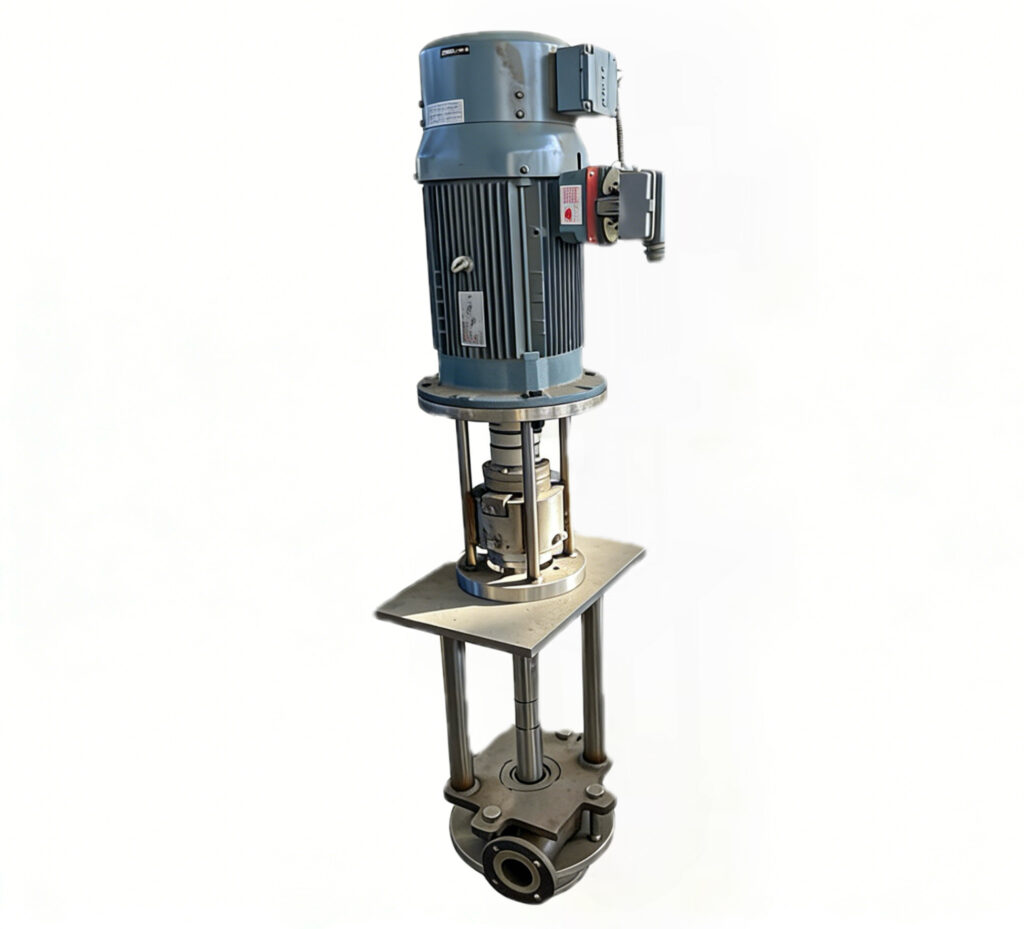
Signs that your zinc pump may be about to fail
Even with regular maintenance, zinc pumps will eventually show signs of reaching the end of their service life after prolonged use. Identifying these signs promptly will help you plan ahead and avoid production interruptions or sudden failures that could lead to greater losses. Please note the following points:
·Zinc extraction efficiency is continuously decreasing: the pump’s suction power is significantly weakened, the zinc liquid transfer speed slows down, or it takes longer to complete the predetermined zinc extraction volume, while the motor load and energy consumption increase abnormally.
·Malfunctions and repairs are becoming more frequent: the same problems (such as pump clogging or zinc leakage) occur repeatedly, or critical components such as impellers and seals are damaged multiple times in a short period, resulting in increasingly shorter repair intervals.
·Persistent or worsening leaks: Leaks or drips occur at flange connections, pump head welds, or the pipe body that cannot be completely stopped by replacing gaskets or simply tightening the connections.
·Abnormal operating conditions: The pump is emitting unusual noises or experiencing increased vibration during operation, or the motor is generating significantly more heat than usual, even when the pipeline is unobstructed.
·Unstable performance: The zinc extraction process exhibits irregular fluctuations or interruptions, making it difficult to maintain a stable flow rate, which affects the zinc plating bath level or process stability.
·Severe deterioration of the pump body structure is observed: visible severe corrosion of the pump body (especially the part immersed in molten zinc) or connecting pipes, significant thinning of the wall thickness, weld cracking, or mechanical deformation.
If your zinc pump has been in use for many years and is exhibiting several of the signs mentioned above, it may mean that it is nearing the end of its service life.
How to extend the lifespan of a zinc pump?
Standardize operating procedures
Strictly follow the preheating requirements (soaking time ≥ 20 minutes, ensuring the shaft rotates freely); maintain a stable zinc bath temperature, avoiding zinc extraction at low temperatures; and run the pump briefly at the end of the zinc extraction process to clear any remaining zinc from the pipes and prevent solidification.
Establish a regular maintenance system
Zinc slag is cleaned from the equipment during each shift, and the pipelines are checked for blockages; flange seals and bolt tightness are checked weekly; and impeller wear, weld integrity, and pipe wall thickness are checked monthly.
Strengthen preventive inspections
A comprehensive inspection is conducted quarterly by professional personnel to assess the degree of corrosion and wear; a usage record is established for the pump body to track changes in its operating status.
When should you consider replacing the zinc pump
Even with regular maintenance, every zinc pump will eventually need to be replaced. Consider replacing the zinc pump if any of the following conditions occur:
·The impeller is severely damaged and cannot be repaired, or the repair costs would be prohibitively high.
·The pump head or piping is severely corroded, resulting in frequent zinc leakage or significant thinning of the pipe walls.
·Performance continued to decline, such as a significant decrease in zinc extraction efficiency, and even repairs failed to restore it.
·The cumulative usage time is approaching its limit, and the frequency of malfunctions has increased significantly.
Choosing a new generation of high-efficiency zinc pumps can not only significantly reduce the energy consumption of zinc liquid transportation but also enable a more stable and faster galvanizing production process, thereby improving overall equipment energy efficiency and process controllability.
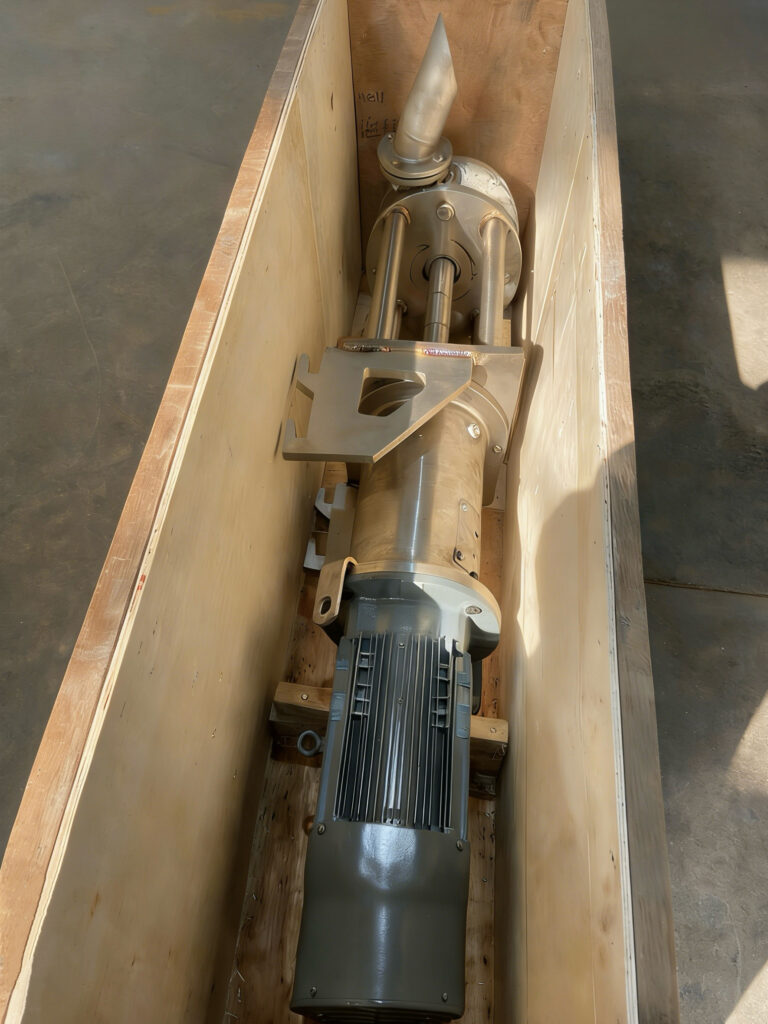
Xuyang Metallurgy: A reliable partner focused on improving galvanizing efficiency
As a professional manufacturer with 18 years of experience in the Chinese galvanizing equipment industry, we are committed to providing our customers with high-performance, highly durable zinc pumps and system solutions. With nearly two decades of industry focus and technological accumulation, we specialize in providing customized pumping systems for various galvanizing enterprises, aiming to achieve the longest service life, the lowest failure rate, and optimal energy efficiency.
Our core services include
·Customized design and modification: We design solutions tailored to new production lines or upgrade existing facilities for improved energy efficiency, equipping them with stable and reliable advanced pumping equipment.
·Comprehensive technical support: We provide full-process support, from installation guidance and pipe connection to on-site commissioning, ensuring that every zinc pump operates at its optimal performance from the moment it is put into service.
·Rapid Response Service: Leveraging our local service network, we provide timely professional maintenance and spare parts support to minimize downtime.
The key to achieving long-term stable production
Understanding the service life and performance inflection points of zinc pumps helps production managers develop scientific maintenance, replacement, and budget plans. By adhering to preventive maintenance and proper operating procedures, the service life of zinc pumps can significantly exceed the industry average, thereby continuously ensuring production efficiency and controlling overall costs.
Choosing an energy-efficient and reliably designed zinc pump, or partnering with a trusted company like ours—with 18 years of experience rooted in China’s galvanizing industry—will ensure your zinc liquid transfer system remains stable and cost-effective for years to come, providing a solid foundation for your company’s competitiveness.