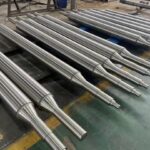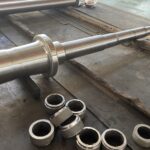

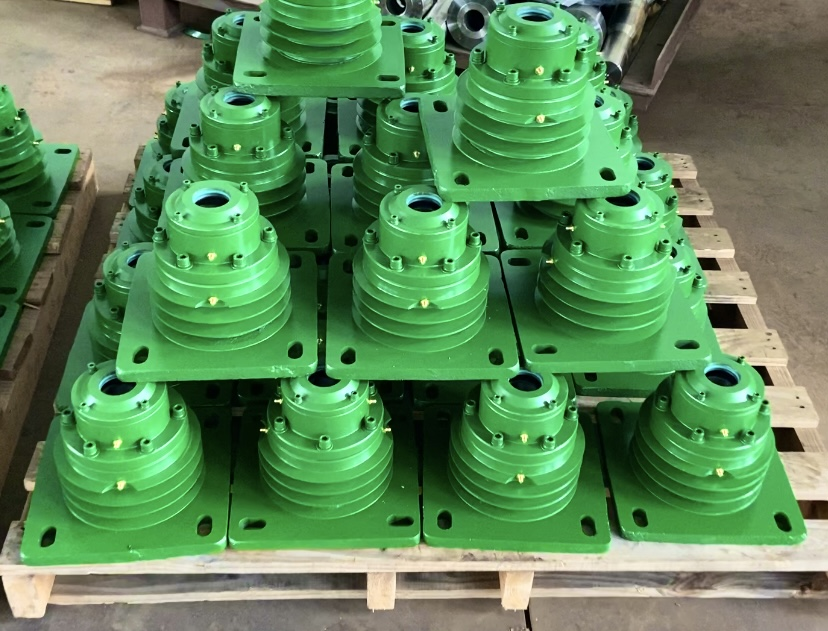
In high-temperature operating environments—such as those found in galvanizing lines and industrial furnaces—bearing housings serve as critical supporting components for furnace rollers and radiant tubes; they are responsible for securing bearings, transmitting loads, and ensuring the smooth operation of the equipment. However, most enterprises face persistent challenges involving the frequent burnout, wear, seizing, and oil leakage of these bearing housings. Not only do these issues drive up costs associated with downtime and component replacement, while disrupting production line continuity, but they can also cause collateral damage to other core components, such as furnace rollers and bearings. In reality, the root cause of these problems lies in improper selection, material choice, or maintenance practices; by simply selecting high-quality, high-temperature-resistant bearing housings, these issues can be comprehensively resolved in a single stroke.
Under high-temperature operating conditions, bearing housings are subjected to prolonged exposure to heat, dust, corrosive elements, and vibration, placing extremely rigorous demands on their materials, structural design, and sealing mechanisms. Conventional bearing housings—owing to their poor heat resistance and flawed structural designs—are prone to issues such as deformation, cracking, and seizing. In contrast, high-quality, high-temperature bearing housings are precisely engineered to suit specific operating environments, thereby eliminating potential faults at the source and contributing to reduced costs and enhanced efficiency.
I. Common Pain Points and Hazards of Bearing Housings Under High-Temperature Operating Conditions
If enterprises prioritize price over suitability for operating conditions when purchasing bearing housings, they are prone to frequently encountering the following four types of failures:
1.High-Temperature Burnout: Standard bearing housings lack sufficient heat resistance; temperatures exceeding 300°C can easily cause material softening and deformation, leading to bearing burnout, unplanned downtime, and increased labor and material costs.
2.Wear and Seizing: Dust, zinc dross, and oil contaminants can easily penetrate the interior; coupled with insufficient lubrication, this leads to wear and seizing between the bearings and their housings, triggering equipment vibration and scratching of the steel strip, thereby compromising product quality.
3.Seal Failure: The sealing structure is poorly designed, making it prone to oil leakage, dust ingress, and zinc slag intrusion; this exacerbates internal wear, shortens service life, and increases maintenance frequency.
4.Poor Adaptability: The use of standard bearing housings on non-standard production lines—or the use of custom-made housings lacking sufficient precision—results in inadequate concentricity and operational instability after installation. Over the long term, this frequently leads to bearing housing fractures and furnace roller misalignment.
II. High-Quality High-Temperature Bearing Housings: Specifically Engineered to Resolve All Pain Points
Our premium high-temperature bearing housings feature a triple-upgrade—encompassing materials, structure, and manufacturing processes—enabling them to withstand harsh operating conditions, minimize failures, and extend service life.
1.Material Upgrade: Constructed from high-strength, heat-resistant alloy steel that has undergone specialized heat treatment, enabling it to withstand high temperatures ranging from 300°C to 800°C. It offers superior resistance to zinc corrosion and dust corrosion, extending its service life by over 50% compared to standard models.
2.Sealing Optimization: A dual-seal design effectively blocks the ingress of debris and prevents lubricant leakage, thereby reducing maintenance workload and costs.
3.Strict Precision Control: Machining precision meets all standards, ensuring secure installation and smooth operation. Standard models are available in ample stock, while non-standard specifications can be custom-manufactured upon request, compatible with various furnace rollers and radiant tubes.
4.Convenient Operation and Maintenance: The optimized structure facilitates the installation, removal, and maintenance of bearings; additionally, dedicated lubrication ports are provided to enable rapid inspection and repair, thereby minimizing downtime.
III. Bearing Housing Selection and Routine Maintenance: Avoid Pitfalls and Enjoy Greater Peace of Mind
Selecting the right bearing housing—combined with proper maintenance—can further extend service life and minimize malfunctions. The key points are as follows:
Selection Guidelines: Select materials and dimensions based on operating temperature, load requirements, and the specifications of the mating equipment. For high-temperature environments, priority should be given to heat-resistant alloy steels. For non-standard production lines, please provide detailed parameters to ensure a precise fit.
Key Maintenance Points: Regularly inspect the sealing condition, clear away debris, and apply high-temperature-resistant lubricant. If any abnormalities—such as unusual noises, wobbling, or oil leaks—are detected, immediately shut down the equipment to investigate and troubleshoot.
Summary: High-quality bearing housings serve as the “invisible safeguard” ensuring the stable operation of high-temperature production lines.
Although bearing housings are small components, they directly impact production line stability and maintenance costs. High-quality high-temperature bearing housings—distinguished by their resistance to high temperatures and corrosion, high precision, and ease of maintenance—effectively address various pain points, thereby minimizing downtime losses and boosting efficiency.
Our facility specializes in the production of high-temperature bearing housings, with a specific focus on applications involving furnace rollers and radiant tubes. Utilizing premium heat-resistant alloy steels and precision manufacturing processes, we offer a comprehensive range of products—encompassing both standard and non-standard specifications—along with one-stop solutions for product selection, customization, and after-sales support. Designed to withstand a wide variety of high-temperature and corrosive operating environments, our products serve to safeguard the integrity and continuity of your production operations.