
In continuous hot-dip galvanizing lines, the evaporation and oxidation of molten zinc within the furnace nose lead to the continuous formation of zinc ash and dross. Once this zinc ash accumulates and adheres to the surface of the steel strip, it causes defects such as indentation marks and particles, resulting in product downgrading and increased zinc consumption, while also limiting the yield of high-value-added products like automotive and appliance sheets.
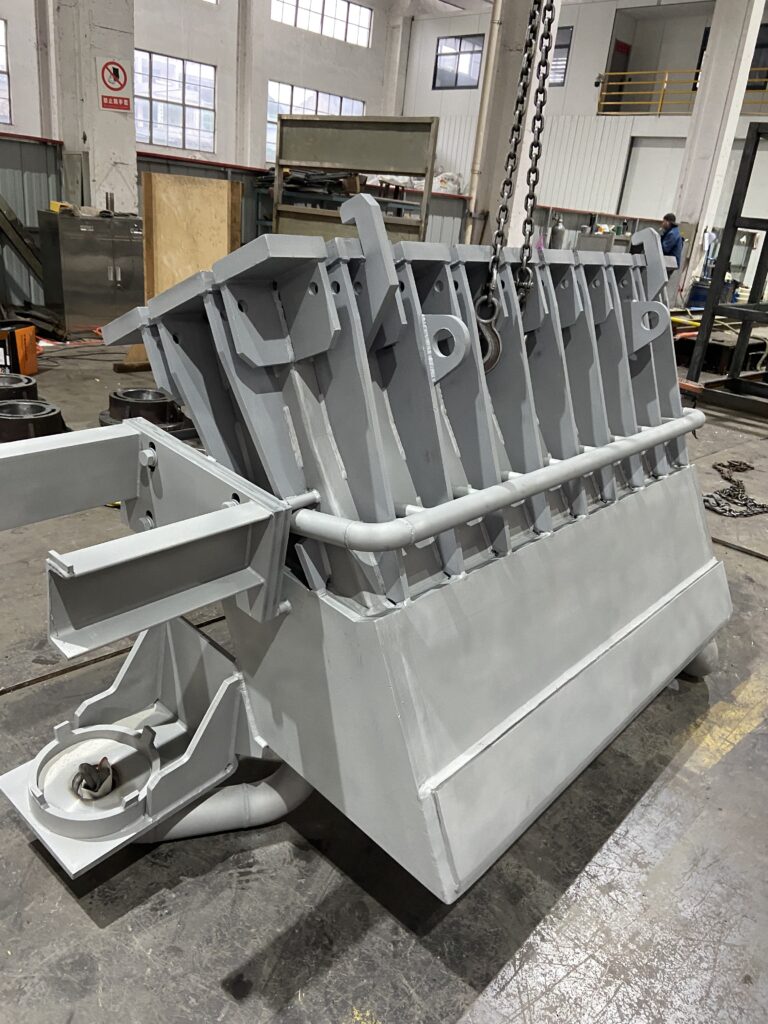
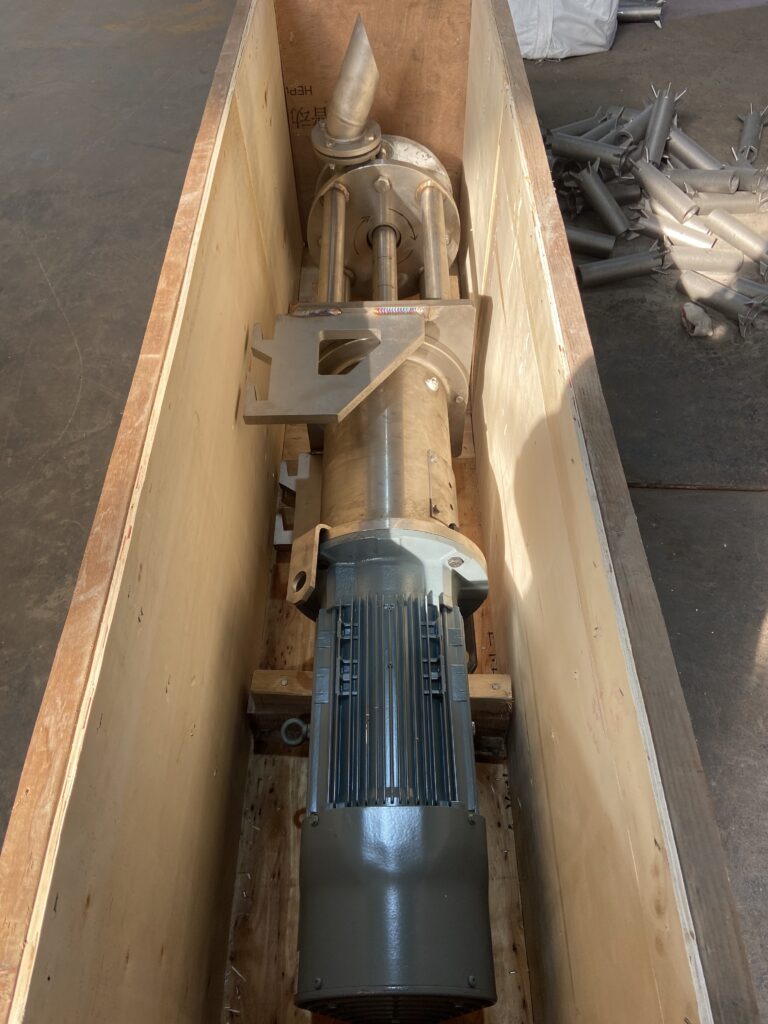
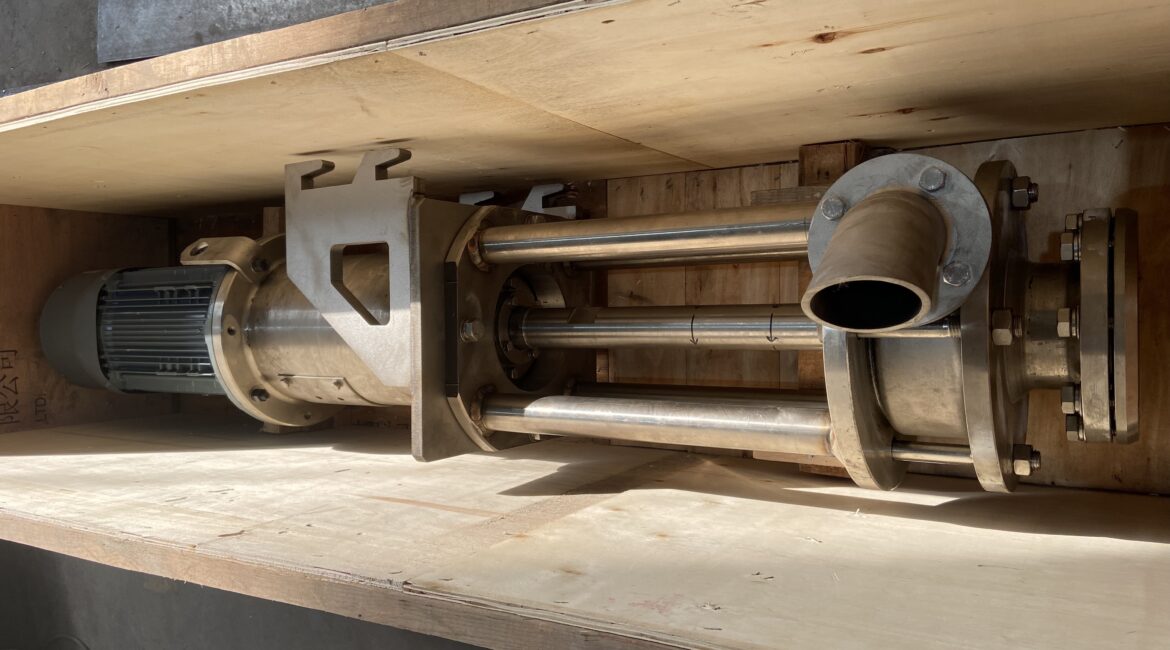
As a core piece of auxiliary equipment for the furnace nose, the zinc dross pump enables the continuous, in-line extraction of dross, eliminating the need for manual slag removal during shutdowns and effectively resolving dross-related issues. Xuyang Metallurgy offers custom-made zinc dross pumps in both electric and pneumatic versions to suit the specific operating conditions of various production lines. However, regardless of the equipment’s performance, proper installation, preheating, and correct start-up and shut-down procedures are crucial to preventing malfunctions such as pump clogging, failure to pump zinc, and zinc leakage.
Standard Operating Procedure for Zinc Dross Pumps
Installation, Mounting, and Piping/Wiring
- Use an overhead crane to lift the pump body by the top chain, align it precisely with the center, and secure it in place; connect the zinc extraction piping, installing high-temperature gaskets between the flanges to ensure a seal, and tighten the bolts evenly.
- It is recommended to configure the circuit with a remote-controlled circuit breaker or an independent control switch to facilitate on-site start/stop control.
Pump body preheating and soaking (of utmost importance; this is the root cause of many pump-clogging issues)
- Immersion depth: The pump body is submerged in the molten zinc such that the zinc level aligns with the position of one-third to one-half of the height of the lowest zinc discharge port.
- The preheating immersion time must be at least 20 minutes to sufficiently raise the overall temperature of the pump body and piping, thereby preventing the molten zinc from solidifying and clogging the pipes upon contact with a cold pump body.
- Preheating acceptance criterion: The intermediate drive shaft of the pump can be rotated freely by hand.
Power-on test run and zinc extraction operating conditions
- After preheating, apply power to verify the motor’s direction of rotation; strictly follow the markings on the pump casing and swap the wiring connections if the rotation is reversed.
- During zinc extraction operations, the molten zinc temperature should be 20–30°C higher than the normal production temperature; for suspension galvanizing and air-knife galvanizing in winter, the molten zinc temperature should not be lower than 460°C.
- Before the zinc extraction operation, remove large dross deposits from the bottom of the pot; large chunks of dross can easily be drawn into the pump body, causing a blockage.
- During operation, the pump height is adjusted in synchronization with fluctuations in the zinc bath level to maintain a constant immersion depth, while the overhead crane facilitates the movement of the pump body in all directions (forward, backward, left, and right).
Key Points for Standardized Pump Shutdown and Removal
- When stopping the zinc pumping operation, first lift the zinc dross pump 5–10 cm above the surface of the molten zinc and tilt the piping to allow the zinc inside to drain back into the pot. Run the pump while idle for 3 minutes to evacuate any remaining zinc from the pump chamber and piping, then cut off the power to prevent the zinc inside from solidifying and causing a blockage.
- After operations conclude, the pump body and piping must be allowed to cool naturally; forced disassembly while the components are subject to thermal expansion or contraction can easily damage the bolts and flange sealing surfaces, so disassembly should only be performed after the equipment has cooled completely.
Causes of Frequent Failures and On-Site Handling Procedures
| Symptom of the fault | Primary trigger | On-site countermeasures |
| Pump clogging | Solidification due to heat loss caused by low molten zinc temperature; excessively long zinc extraction piping; entry of iron wire or debris into the piping | Increase the temperature of the molten zinc; preheat the long pipelines; disassemble the flanges to clean the lines; and place the clogged pipe fittings into the zinc bath to melt away the blockage |
| Motor is running normally but no zinc is being applied | Impeller damaged by debris; pump head weld seam corroded and cracked | If the impeller is damaged, replace the pump body directly; if the pump head is cracked, it can be welded for an emergency fix and replaced at a later time |
| Zinc leakage | Flange gasket misalignment; bolts not properly tightened; pipeline thinning due to long-term corrosion by zinc-aluminum media | Lift the pump out of the molten zinc bath to allow the zinc to drain back into the pot; replace the high-temperature gasket or corroded piping, and tighten the flange bolts |
Selecting the right equipment and employing precision manufacturing lay a solid foundation for reliable operation
The zinc dross pump operates while continuously submerged in molten zinc at 460–480°C, imposing stringent requirements on the casting, welding, and machining precision of the pump body material.
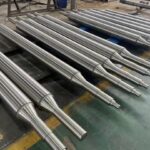
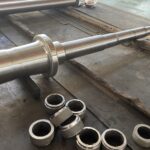
Jiangsu Xuyang Metallurgy possesses comprehensive capabilities in casting, machining, and inspection, underpinned by ISO9001 quality management. The company offers customizable electric and pneumatic zinc dross pumps and supplies complete furnace nose equipment packages. From material smelting, casting, and machining to dimensional checks, weld inspections, and non-destructive testing, every workpiece is treated with meticulous care and attention to detail—delivering quality that is clearly evident.
Proper equipment forms the foundation, while standardized operation ensures reliability. To maximize the value of the zinc dross pump, it is essential not only to select a reliable product but also to strictly adhere to procedures for preheating, startup/shutdown, cooling, and disassembly. This approach minimizes downtime caused by malfunctions and consistently controls zinc dross defects, thereby delivering multiple benefits: improved quality, reduced zinc consumption, and increased production capacity.